Beyond the Mirror: How Adult Body Image Impacts Professional Confidence and Career Growth
Explore the surprising link between adult body image and professional confidence. Learn strategies to boost self-worth and drive career growth, moving beyond appearance.
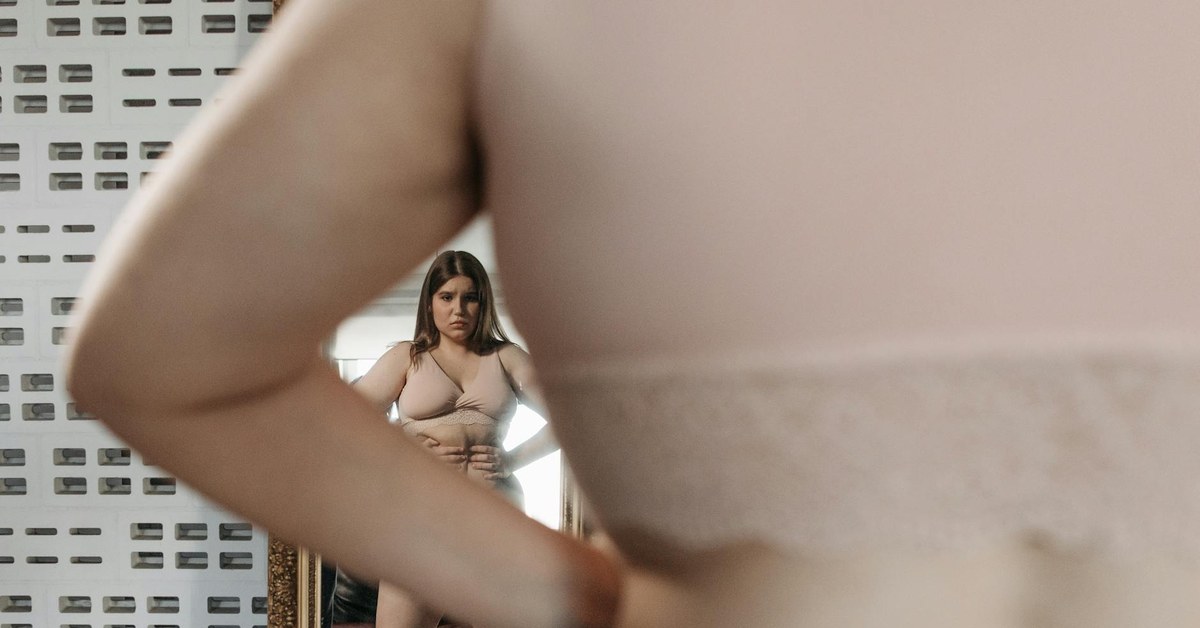

Beyond the Mirror: How Adult Body Image Impacts Professional Confidence and Career Growth
“Explore the surprising link between adult body image and professional confidence. Learn strategies to boost self-worth and drive career growth, moving beyond appearance.”
Many adults navigate their professional lives with an underlying awareness of their physical appearance. This often unspoken connection between adult body image professional confidence can significantly influence career trajectories, affecting everything from networking and presentations to salary negotiations and leadership aspirations. Understanding this dynamic is crucial for personal and professional development, allowing individuals to cultivate resilience and self-worth that transcends superficial perceptions.
The Subtle Influence of Body Image on Workplace Behaviour
Body image, encompassing how we perceive, think, and feel about our bodies, extends far beyond personal vanity. In a professional context, it subtly shapes behaviour, interactions, and decision-making. Individuals grappling with negative body image may experience increased self-consciousness, leading to avoidance behaviours in the workplace. For example, they might shy away from presenting ideas in meetings, networking events, or even applying for promotions that require a more public profile.
Research indicates a tangible link between self-perception and professional engagement. A 2022 study published by the Mental Health Foundation found that 35% of adults in the UK felt anxious about their body image, and this anxiety often translated into reduced social participation and confidence. In a professional setting, this can manifest as a reluctance to engage in team-building activities, client pitches, or even casual conversations that build rapport. This avoidance can limit opportunities for visibility, mentorship, and skill development, all vital for career progression.
Key Takeaway: Negative body image can lead to professional avoidance behaviours, hindering visibility, networking, and opportunities for career advancement due to increased self-consciousness and anxiety.
Understanding the Psychological Impact: Self-Worth and Competence
The impact of body image on professional confidence is deeply rooted in psychological factors, particularly self-worth and perceived competence. When individuals struggle with their body image, their overall self-esteem can diminish, leading them to question their capabilities and value in the workplace. This internal doubt can overshadow actual skills and experience.
A workplace psychologist observes, “Individuals who perceive their physical appearance negatively often attribute their professional successes to luck rather than skill, and failures to their inherent inadequacy, which can include their appearance. This cognitive bias significantly erodes their confidence over time.” This phenomenon can be particularly pronounced during midlife body image challenges, where societal pressures around ageing, coupled with physical changes, can trigger renewed anxieties about appearance and relevance in a youth-centric professional environment.
This diminished self-worth can affect how individuals project themselves. A lack of confidence might lead to a less assertive communication style, an inability to negotiate effectively, or a hesitancy to voice innovative ideas. These behaviours, while stemming from internal struggles, can be misinterpreted by colleagues and superiors as a lack of competence or ambition, thereby impacting career growth.
Specific Scenarios: How Body Image Manifests in Professional Settings
The influence of body image can appear in various professional scenarios:
- Public Speaking and Presentations: Individuals with body image concerns may experience heightened anxiety when speaking in front of groups, fearing scrutiny of their appearance more than their content. This can lead to less engaging presentations or a reluctance to volunteer for such opportunities.
- Networking Events: Social gatherings often involve small talk and making first impressions. Someone preoccupied with their appearance might struggle to relax, engage authentically, and build meaningful professional connections.
- Performance Reviews and Feedback: Concerns about body image can make individuals more sensitive to feedback, interpreting constructive criticism as a personal attack rather than an opportunity for growth. They might also hesitate to ask for promotions or salary increases, believing they are not ‘worthy’.
- Leadership Roles: Leadership often demands a strong presence and the ability to inspire. Negative body image can undermine this, making individuals less likely to step into leadership positions or less effective when they do, due to a perceived lack of authority or credibility linked to their appearance.
- Job Interviews: First impressions are critical. Candidates focused on perceived physical flaws may struggle to project confidence, charisma, and competence, regardless of their qualifications.
These scenarios highlight how internal struggles with appearance can create external barriers to career progression and overall job satisfaction. [INTERNAL: managing workplace anxiety]
Strategies for Cultivating Internal Confidence and Resilience
Moving beyond the mirror to foster professional confidence requires a deliberate shift in mindset and actionable strategies.
- Challenge Negative Self-Talk: Recognise and dispute critical thoughts about your appearance. Replace them with evidence-based affirmations of your skills, achievements, and value. For example, instead of “I look unprofessional,” try “My expertise and contributions are valuable.”
- Focus on Competence and Contribution: Intentionally shift your focus from appearance to your professional capabilities, achievements, and the positive impact you make. Maintain a record of your successes, big and small, to reinforce your professional worth.
- Develop a Growth Mindset: Embrace challenges as opportunities for learning and growth, rather than threats to your self-image. Understand that professional development is a continuous journey, not solely tied to how you look.
- Seek Mentorship and Sponsorship: Connect with experienced professionals who can provide guidance, support, and advocate for your abilities. A mentor can help you see your strengths and navigate workplace dynamics, independent of appearance.
- Invest in Professional Development: Continuously upgrade your skills and knowledge. This not only boosts your actual competence but also your perceived competence and confidence. Attending workshops, pursuing further education, or gaining certifications are excellent ways to do this.
- Practise Mindful Self-Compassion: Treat yourself with the same kindness and understanding you would offer a friend. Recognise that everyone experiences self-doubt, and it is okay to have off days. Mindfulness apps or journaling can support this practice.
- Curate Your Professional Environment: Surround yourself with colleagues and organisations that value diversity, inclusivity, and merit over superficial characteristics. A supportive environment can significantly bolster self-esteem.
Organisational Role in Fostering an Inclusive Environment
Organisations also play a crucial role in mitigating the impact of body image on professional confidence. By cultivating an inclusive and supportive workplace culture, employers can empower their staff to thrive regardless of their physical appearance.
- Promote Meritocracy: Ensure that promotion, hiring, and reward systems are transparent and based purely on skills, performance, and contribution, not on appearance or subjective biases.
- Foster Psychological Safety: Create an environment where employees feel safe to voice ideas, ask questions, and take risks without fear of judgement or ridicule. This includes training managers to recognise and address unconscious biases.
- Provide Wellbeing Support: Offer access to resources such as employee assistance programmes, mental health support, and workshops on building resilience and self-esteem. Organisations like the WHO advocate for comprehensive workplace mental health programmes.
- Lead by Example: Leaders who embody confidence, authenticity, and professionalism – irrespective of their appearance – set a powerful example for their teams.
- Diverse Representation: Showcase a diverse range of body types, ages, and backgrounds in company communications and leadership roles. This helps normalise varied appearances and reduces pressure on individuals to conform to narrow ideals.
By taking these steps, organisations can create workplaces where talent and contribution are truly paramount, allowing every individual’s professional confidence and career growth to flourish. [INTERNAL: boosting self-esteem]
What to Do Next
- Reflect on Your Self-Talk: Pay attention to how you speak to yourself about your body and appearance, especially before professional engagements. Challenge negative thoughts and consciously reframe them.
- Document Your Achievements: Start a “success journal” where you regularly record your professional accomplishments, skills utilised, and positive feedback received. Review this whenever self-doubt arises.
- Seek Professional Coaching: Consider working with a career coach or mentor who can help you identify areas for professional growth and build confidence in your capabilities.
- Actively Participate: Choose one professional activity you usually avoid due to body image concerns (e.g., speaking up in a meeting, attending a networking event) and commit to participating fully.
- Review Your Workplace Culture: Assess if your current professional environment genuinely supports diversity and merit. If not, explore ways to advocate for change or consider environments that align better with your values.
Sources and Further Reading
- Mental Health Foundation. (2022). Body Image Report. mentalhealth.org.uk
- World Health Organisation. (2022). Mental Health at Work. who.int
- Chartered Institute of Personnel and Development (CIPD). Wellbeing at Work. cipd.co.uk
- NHS. Mindfulness for Mental Wellbeing. nhs.uk