Smart Storage, Safer Home: Advanced Strategies for Cleaning Product Accident Prevention
Discover advanced strategies for safe cleaning product storage. Learn smart solutions to prevent accidents, secure chemicals, and create a safer home environment.
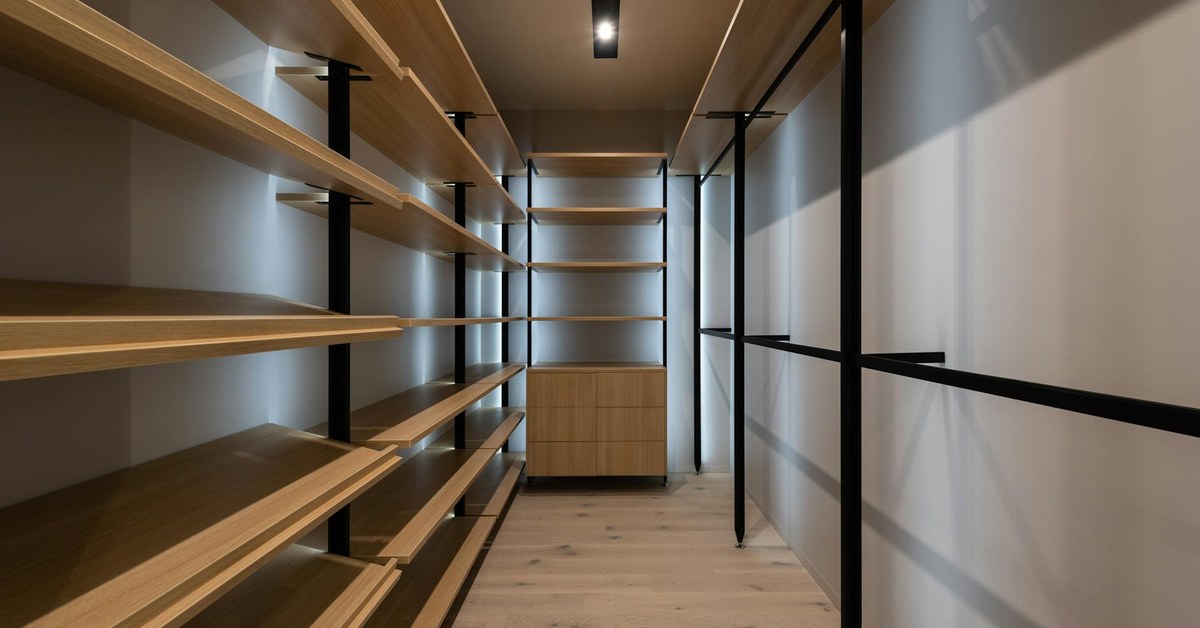

Smart Storage, Safer Home: Advanced Strategies for Cleaning Product Accident Prevention
“Discover advanced strategies for safe cleaning product storage. Learn smart solutions to prevent accidents, secure chemicals, and create a safer home environment.”
Ensuring a safe home environment is paramount for every family, and a critical component of this is mastering advanced cleaning product storage. Far too often, seemingly innocuous household cleaners pose significant risks, particularly to curious children. Accidents involving cleaning products are a global concern, with organisations like the World Health Organisation (WHO) highlighting unintentional poisoning as a leading cause of injury and death among children under five. This article delves into sophisticated, proactive strategies to secure cleaning supplies, helping you prevent accidents and cultivate a truly safe living space.
Understanding the Risks: Beyond Basic Precautions
While many families recognise the basic need to keep cleaning products out of reach, true safety requires a deeper understanding of the risks and a more robust approach to storage. Children, especially toddlers aged one to three, are naturally inquisitive and can quickly access areas adults might deem secure. According to a report by the American Association of Poison Control Centres, cleaning substances are among the most common causes of calls to poison centres, with hundreds of thousands of exposures reported annually, a significant portion involving young children.
These incidents often occur because products are left unattended, stored in easily accessible lower cabinets, or transferred into unmarked bottles. The bright colours and appealing scents of many cleaning agents can tragically mimic drinks or sweets, making them irresistible to a child. Even products labelled “natural” or “eco-friendly” can be highly toxic if ingested or come into contact with skin or eyes.
Key Takeaway: Basic “out of reach” storage is a good start, but children’s curiosity and dexterity demand advanced cleaning product storage solutions to truly mitigate the significant risks of poisoning and chemical burns.
Strategic Placement: The First Line of Defence
The physical location of your cleaning products is the foundational element of any advanced storage strategy. It goes beyond simply placing items on a high shelf; it involves a calculated approach based on child development and household dynamics.
High, Out-of-Reach Storage: Defining “Out of Reach”
For infants and crawlers, a high shelf might suffice. However, as children grow, so does their ability to climb, stand on chairs, or even scale low furniture. “Out of reach” must evolve. For toddlers and pre-schoolers, products should be stored at a height that requires an adult to use a step stool to access, ideally above 1.5 metres (approximately 5 feet).
Consider the following for strategic placement:
- Kitchen: Upper cabinets, away from food items. Avoid under-sink storage unless it is rigorously secured.
- Bathroom: High wall-mounted cabinets, never on the floor or in easily accessible vanity units.
- Utility Room/Garage: Dedicated high shelving units, preferably behind a locked door.
- Laundry Area: Keep detergents, pods, and softeners on high shelves, far from washing machine controls which children might manipulate.
Locked Cabinets vs. High Shelves
While high shelves offer initial protection, locked cabinets provide a superior layer of security, especially for particularly hazardous chemicals. A child safety expert from the Royal Society for the Prevention of Accidents (RoSPA) often advises, “If a product is dangerous enough to cause harm, it’s dangerous enough to be locked away.”
- High Shelves: Suitable for less corrosive or acutely toxic items, provided they are truly out of a child’s climbing range. Ensure shelves are securely mounted to prevent tipping.
- Locked Cabinets: Essential for highly corrosive cleaners (e.g., drain cleaners, oven cleaners), pesticides, and concentrated detergents. These cabinets should have robust, child-resistant locks that require a key or a combination known only to adults.
Vertical Storage Solutions
Maximise vertical space to keep items elevated. Wall-mounted shelving units, pegboards with hooks, and tall, narrow cupboards can provide excellent options for secure cleaning supply storage. Ensure any wall-mounted units are correctly installed into wall studs to prevent them from pulling away under weight.
Age-Specific Considerations
- Infants (0-12 months): Focus on keeping everything off the floor and out of reach of grasping hands.
- Toddlers (1-3 years): This is the peak risk age. They are mobile, curious, and experimental. Locked cabinets and high placement are non-negotiable. Assume they can climb anything.
- Pre-schoolers (3-5 years): They can reason slightly, but still lack full understanding of danger. Continue with secure storage and begin age-appropriate education.
- School-aged Children (6+ years): While still requiring secure storage, this age group can begin to learn about chemical safety. However, never underestimate a child’s curiosity or forgetfulness.
Next Steps: Conduct a thorough home audit. Identify all cleaning products and assess their current storage locations against these strategic placement guidelines. Relocate any items that are too low or insufficiently secured.
Implementing Physical Barriers: Secure Cleaning Supply Storage
Beyond strategic placement, physical barriers are crucial for truly secure cleaning supply storage. These tools provide an active defence against accidental exposure.
Child-Resistant Latches: Types and Installation
Not all child-resistant latches are created equal. For advanced security, opt for mechanisms that require a combination of actions or significant dexterity, making them difficult for young children to defeat.
- Magnetic Locks: These are installed inside cabinets, making them invisible from the outside. They require a magnetic key to open, providing a high level of security. They are excellent for maintaining a clean aesthetic while offering robust protection.
- Spring-Release Latches: These require a child to press down or squeeze a mechanism while pulling the door open. Good quality ones can be effective.
- Strap Locks: While visible, these can be effective for drawers or cabinets where other locks are difficult to install. Choose strong, durable materials.
Installation Tips: Follow manufacturer instructions precisely. Test each latch thoroughly after installation to ensure it functions correctly and cannot be easily bypassed by a child. Regularly check for wear and tear.
Dedicated Safety Cabinets: Features and Benefits
For families with numerous hazardous cleaning products, or those with highly curious children, a dedicated safety cabinet offers the highest level of protection. These are often made of sturdy plastic or metal and come with integrated locking mechanisms.
Features to look for:
- Robust Construction: Made from durable, non-corrosive materials.
- Integrated Locking Mechanism: Often key-operated, requiring adult access.
- Ventilation: Some models include vents, which can be beneficial for certain chemical types (though most household cleaners do not require specialised chemical storage ventilation).
- Wall-Mountable: The ability to fix the cabinet securely to a wall prevents tipping.
- Adjustable Shelving: Allows for customisation based on product sizes.
Portable Lock Boxes for Shared Spaces
Consider using portable lock boxes for cleaning products that might be used in various rooms, such as bathroom cleaners or surface sprays. These boxes can be locked and stored away immediately after use, preventing products from being left out. They are particularly useful when cleaning while children are present, allowing you to transport items securely from one room to another.
Comparison Table: Latches vs. Lock Boxes vs. Dedicated Cabinets
| Feature | Child-Resistant Latches | Portable Lock Boxes | Dedicated Safety Cabinets |
|---|---|---|---|
| Security Level | Good for preventing casual access | Very good, especially for immediate storage | Excellent, highest level of permanent security |
| Installation | Moderate (drilling/adhesive) | None (standalone) | Moderate (wall mounting) |
| Visibility | Visible (strap/spring) or Invisible (magnetic) | Visible | Visible |
| Flexibility | Fixed to specific cabinets | Highly flexible, movable | Fixed location |
| Cost | Low to Moderate | Moderate | Moderate to High |
| Best Use Case | Securing all lower cabinets | Temporary storage, mobile use | Permanent, high-security storage of hazardous items |
Next Steps: Invest in appropriate physical barriers. Prioritise magnetic locks for kitchen and bathroom cabinets, and consider a dedicated safety cabinet for the most hazardous products.
The Power of Organisation: Preventing Cleaning Accidents Through Structure
Effective organisation is a cornerstone of preventing cleaning accidents. A well-organised storage area not only makes finding items easier but also significantly reduces the risk of confusion and misuse.
Labelling Best Practices
Never transfer cleaning products from their original containers into unmarked bottles. This is one of the most dangerous mistakes a household can make. The original labels contain vital information:
- Product Name: Clear identification.
- Ingredients: Crucial for emergency services.
- Hazard Warnings: Pictograms and text indicating flammability, corrosivity, etc.
- First Aid Instructions: Immediate steps to take in case of exposure.
- Manufacturer Contact Information: For further guidance.
If you must decant a product (e.g., to a smaller spray bottle for convenience), ensure the new container is clearly and permanently labelled with the product name and its primary hazards. Better still, avoid decanting whenever possible.
Separation of Categories
Organise cleaning products by type and hazard level. This helps to prevent accidental mixing of chemicals, which can create dangerous fumes or reactions.
- Separate Corrosives: Bleach, oven cleaners, drain uncloggers should be stored together, away from other products.
- Separate Flammables: Aerosols, some polishes, and solvents.
- Separate General Cleaners: All-purpose sprays, glass cleaners.
- Separate Laundry Products: Detergents, fabric softeners, stain removers.
Use clear bins or dividers within your secured cabinets to maintain this separation. For example, a dedicated plastic bin for laundry pods ensures they are contained and less likely to spill or be accessed.
Original Containers: Why This is Non-Negotiable
As mentioned, always keep cleaning products in their original containers. This ensures crucial safety information is always available. Children are also less likely to associate a branded, distinctively shaped cleaning bottle with a drink, compared to a plain, unlabelled bottle.
Inventory Management for Hazardous Substances
For households with a significant number of cleaning products, particularly those with highly hazardous components, maintaining a simple inventory can be beneficial.
- List: Note the product name, location, and expiry date.
- Regular Review: Periodically check your inventory against your physical stock.
- Disposal Plan: Have a plan for disposing of expired or unused products safely.
Next Steps: Review all cleaning products. Ensure they are in their original, clearly labelled containers. Implement a system of categorisation using bins or dividers within your secure storage areas.
Advanced Practices for Safe Chemical Storage Home
Moving beyond physical barriers and organisation, advanced practices consider the environmental factors influencing chemical stability and safety. This is particularly relevant for chemicals stored for longer periods or in areas like garages.
Ventilation Considerations for Storage Areas
While most everyday household cleaners do not require specialised ventilation, storing a large quantity of products, or specific types of chemicals, benefits from good air circulation.
- Avoid Airtight Spaces: Do not store chemicals in completely sealed containers or unventilated cupboards where fumes could accumulate.
- Garage/Utility Room: If storing products here, ensure the area is well-ventilated, perhaps with a window that can be opened periodically, or a small exhaust fan. This helps dissipate any lingering fumes from leaking or evaporating products.
- Never Store Near Vents/Fans: Avoid placing products directly in front of heating or cooling vents, as fluctuating temperatures can affect chemical stability.
Temperature and Humidity Control
Extreme temperatures and high humidity can degrade cleaning products, potentially making them less effective or even unstable.
- Cool, Dry Place: Store products in a cool, dry environment, away from direct sunlight or heat sources (e.g., radiators, water heaters, ovens).
- Avoid Freezing: Some products can separate or lose efficacy if frozen. Check product labels for specific temperature guidelines.
- Consistent Environment: Aim for a stable temperature range, typically between 10°C and 25°C (50°F and 77°F).
Disposal of Expired or Unused Products
Proper disposal is a critical, often overlooked, aspect of safe chemical storage home. Pouring chemicals down the drain or putting them in regular rubbish can harm the environment and pose risks to sanitation workers.
- Check Local Regulations: Disposal guidelines vary significantly by region. Contact your local council or waste management authority for information on household hazardous waste collection points or events.
- Never Mix Chemicals for Disposal: This can create dangerous reactions.
- Keep in Original Containers: For disposal, products should remain in their original, labelled containers to ensure handlers know what they are dealing with.
Emergency Preparedness: First Aid and Poison Control Information
Even with the most rigorous advanced cleaning product storage, accidents can happen. Being prepared is crucial.
- First Aid Kits: Keep a well-stocked first aid kit readily accessible, containing items like sterile water or saline solution for rinsing eyes, and gloves.
- Emergency Contact List: Post emergency numbers prominently, including your local poison control centre, emergency services, and doctors.
- Know First Aid: Understand basic first aid for chemical exposure, such as rinsing skin/eyes with copious amounts of water for at least 15-20 minutes.
- [INTERNAL: Family Emergency Preparedness Guide]
Key Takeaway: Beyond physical security, consider the environment. Proper ventilation, temperature control, safe disposal, and robust emergency preparedness are integral to safe chemical storage home.
Next Steps: Review your storage environment for temperature and humidity. Research local guidelines for hazardous waste disposal. Ensure emergency contact information is visible and accessible.
Educating the Household: A Collective Responsibility
While physical barriers are essential, education forms a vital layer of defence, particularly as children grow older. Everyone in the household, including older children, partners, and caregivers, must understand and adhere to safety protocols.
Teaching Older Children About Hazards
For children aged six and above, you can begin to introduce concepts of chemical safety.
- Explain “Poison”: Use age-appropriate language to explain what poison means and why certain products are dangerous.
- Recognise Warning Symbols: Teach them to recognise common hazard symbols (e.g., skull and crossbones, corrosive symbol).
- “Ask First” Rule: Instil a strict rule: never touch any cleaning product without asking an adult first.
- Role-Playing: Practice scenarios, like what to do if they find an open bottle or see a younger sibling trying to touch a cleaner.
Communicating with Visitors and Caregivers
Ensure anyone who spends time in your home, especially those caring for your children, is aware of your home safety cleaning products protocols.
- Clear Instructions: Briefly explain where products are stored and the importance of keeping them secured.
- Demonstrate Locks: Show them how to operate child-resistant latches or cabinet locks.
- Emphasise “Put Away Immediately”: Stress that products should be returned to secure storage immediately after use, never left unattended.
Role-Playing Safety Scenarios
Practising what to do in an emergency can significantly improve response times and outcomes.
- “What if you found this?” Show an empty cleaning bottle (cleaned out, of course) and ask your child what they would do.
- “Who do you call?” Practice dialling emergency numbers.
- “What do you say?” Help them understand what information to provide (what happened, what was ingested, how much, child’s age).
Next Steps: Have a family discussion about cleaning product safety. Educate older children and ensure all caregivers are informed about your storage practices.
Regular Audits and Maintenance: Sustaining Home Safety Cleaning Products
Advanced cleaning product storage is not a one-time task; it requires ongoing vigilance and maintenance. Regular audits ensure that your safety measures remain effective and adapt to changing needs.
Frequency of Checks
- Weekly Spot Checks: Quickly check that all latches are engaged, cabinet doors are closed, and no products have been left out after cleaning.
- Monthly Comprehensive Audit: Dedicate time each month to thoroughly inspect all cleaning product storage areas.
- After Every Cleaning Session: Make it a habit to immediately return all products to their secure locations and double-check locks.
What to Look For
During your audits, pay attention to:
- Damaged Containers: Look for leaks, cracks, or compromised caps. Transfer damaged products to a new, clearly labelled, child-resistant container if safe to do so, or dispose of them properly.
- Expired Products: Check expiry dates. Dispose of expired items according to local hazardous waste guidelines.
- Unlocked Latches/Cabinets: Ensure all security devices are functioning correctly and are engaged.
- Accessibility Changes: As children grow, their reach and climbing abilities change. What was “out of reach” last year might not be this year.
- New Products: When purchasing new cleaners, immediately integrate them into your secure storage system.
Updating Storage as Children Grow
Your organised cleaning products for safety system must evolve with your family.
- Crawlers to Toddlers: This transition demands the most significant upgrade in security, moving from simply high shelves to robust locks.
- Toddlers to Pre-schoolers: Reinforce existing security, as children at this age become more adept at manipulating latches.
- Pre-schoolers to School-aged: Continue secure storage, but gradually introduce more education and responsibility, while still maintaining physical barriers for highly toxic items.
Next Steps: Schedule regular home safety audits for cleaning products. Create a checklist to ensure all aspects are covered during these checks.
What to Do Next
- Conduct an Immediate Audit: Go through every room in your home and identify all cleaning products. Relocate any unsecured or easily accessible items to high, locked cabinets.
- Install Robust Child Safety Locks: Invest in high-quality magnetic or spring-release latches for all lower cabinets containing cleaning supplies. Prioritise areas like kitchens, bathrooms, and utility rooms.
- Ensure Proper Labelling and Containment: Verify that all cleaning products are in their original, clearly labelled containers. Separate hazardous categories using bins within your secured storage.
- Develop a Family Safety Plan: Discuss cleaning product safety with all household members. Post emergency contact numbers prominently and review basic first aid for chemical exposure.
- Schedule Regular Reviews: Set a recurring reminder to conduct monthly comprehensive checks of your cleaning product storage to ensure all measures remain effective and up-to-date.
Sources and Further Reading
- World Health Organisation (WHO) – Child Safety and Injury Prevention: www.who.int/teams/social-determinants-of-health/safety-and-mobility/child-safety
- UNICEF – Child Protection: www.unicef.org/child-protection
- Royal Society for the Prevention of Accidents (RoSPA) – Home Safety: www.rospa.com/home-safety
- NSPCC – Child Safety at Home: www.nspcc.org.uk/keeping-children-safe/safety-advice/home-safety/
- American Association of Poison Control Centres – National Poison Data System: www.aapcc.org