Advanced Home Safety: Innovative Tech for Window & Balcony Protection
Explore cutting-edge smart home technology and innovative solutions to enhance window and balcony safety. Protect your loved ones with modern prevention strategies.
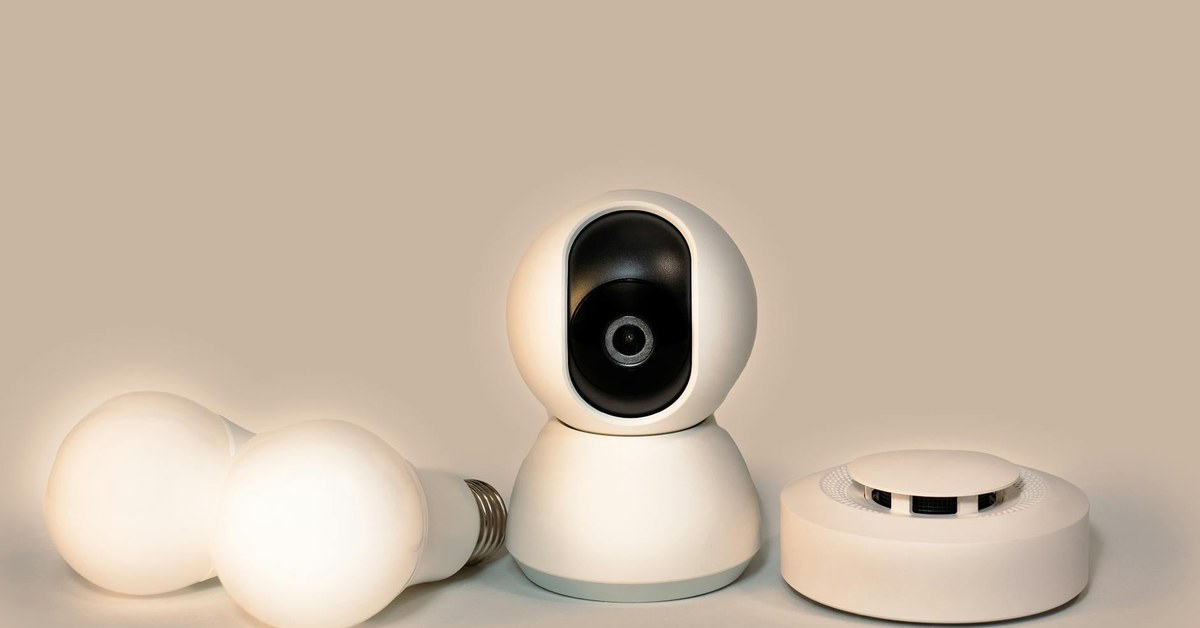

Advanced Home Safety: Innovative Tech for Window & Balcony Protection
“Explore cutting-edge smart home technology and innovative solutions to enhance window and balcony safety. Protect your loved ones with modern prevention strategies.”
Protecting our children is a paramount concern for every family. While traditional locks and barriers offer a foundational layer of security, the advent of innovative window safety tech has revolutionised how we safeguard our homes, particularly around windows and balconies. These often-overlooked areas pose significant risks, especially for young children, and modern technology now provides sophisticated, proactive solutions to prevent accidents and enhance overall family wellbeing. This article delves into the cutting-edge smart home technology and integrated solutions designed to create a safer living environment for your loved ones.
Understanding the Risks: Why Advanced Protection Matters
Windows and balconies, while offering light and fresh air, can present serious hazards. Accidental falls from windows or balconies are a tragic reality that can lead to severe injuries or fatalities. According to a 2021 report by the American Academy of Pediatrics, an estimated 5,000 children are treated in emergency departments annually for window fall-related injuries in the United States alone. While this statistic focuses on one region, the underlying risks are universal, affecting families globally. Children, driven by curiosity and often lacking an understanding of danger, are particularly vulnerable.
Traditional safety measures, such as window guards and locks, are essential, but they can be manually overridden, forgotten, or may not cover all potential scenarios. This is where advanced, innovative window safety tech steps in, offering automated, intelligent, and interconnected layers of protection that provide real-time monitoring and immediate alerts. It shifts safety from a reactive measure to a proactive, preventative system, giving parents greater peace of mind.
Key Takeaway: Windows and balconies pose universal fall risks to children. Innovative safety tech moves beyond traditional methods, offering proactive, automated, and real-time protection to significantly reduce these hazards.
The Rise of Innovative Window Safety Tech: Smart Home Integration
The evolution of smart home technology has brought unprecedented capabilities to residential safety. Internet of Things (IoT) devices, once considered luxuries, are now integral components of comprehensive home security systems. For window and balcony protection, this means moving beyond simple alarms to interconnected networks that can detect, alert, and even act autonomously.
An IoT home safety solution typically involves a central hub that communicates wirelessly with various sensors and devices placed throughout your home. When a sensor detects an anomaly, such as an open window or a presence on a balcony, it sends a signal to the hub, which then triggers a pre-programmed response. This might include:
- Sending instant notifications to your smartphone or other connected devices.
- Activating an audible alarm.
- Triggering other smart home devices, such as lights, to draw attention.
- Automatically engaging a smart lock or barrier.
This level of integration ensures that families are always aware of potential dangers, even when they are not physically present in the immediate vicinity of the hazard. A smart home security consultant notes, “The real power of IoT in home safety lies in its ability to connect disparate devices into a cohesive, responsive system, providing layers of protection that adapt to a family’s needs.”
Smart Window Sensors and Alarms: Your First Line of Defence
Smart window sensors are a cornerstone of innovative window safety tech, offering immediate detection of unauthorised or unsafe window states. These devices are discreet, easy to install, and provide crucial real-time monitoring.
Types of Smart Window Sensors:
-
Contact Sensors: These are two-part devices, one attached to the window frame and the other to the moving part of the window. When the window opens and the two parts separate, the circuit breaks, triggering an alert.
- Features: Ideal for detecting if a window has been opened, even slightly. Many can be customised with sensitivity settings.
- Actionable Advice: Place contact sensors on all accessible windows, especially those on lower floors or near balconies. Ensure they are out of a child’s reach.
-
Vibration Sensors: These sensors detect vibrations or impacts on the window pane itself. They are particularly useful for detecting attempts to force open a window or if someone is trying to break the glass.
- Features: Adjustable sensitivity to avoid false alarms from wind or minor bumps. Can differentiate between a gentle tap and a forceful impact.
- Actionable Advice: Complement contact sensors with vibration sensors for an added layer of security against forced entry or glass breakage.
-
Glass Break Detectors: These specialised sensors use acoustic technology to listen for the specific sound frequency of breaking glass.
- Features: Can monitor multiple windows within a room from a single device. Highly effective for deterring or detecting intrusions.
- Actionable Advice: Position these detectors strategically to cover all windows in a room, ensuring no blind spots. Test them regularly using manufacturer-recommended methods.
When any of these sensors are triggered, they send an immediate alert to your smart home hub, which then relays the notification to your smartphone, tablet, or other connected devices. Many systems also allow for customised alerts, such as a gentle chime for a window opening during the day and a loud alarm if a window is opened unexpectedly at night.
Automated Window Locks and Mechanisms: Proactive Child Safety
Moving beyond mere detection, automated window locks and mechanisms offer proactive control over window access, significantly enhancing child safety. These innovative devices integrate with your smart home system, allowing for remote operation, scheduling, and intelligent responses.
Key Automated Solutions:
-
Smart Window Locks: These locks can be remotely engaged or disengaged via a smartphone app. They can replace or augment existing window latches, providing a robust, digitally controlled barrier.
- Features: Remote locking/unlocking, integration with smart home routines (e.g., “lock all windows when leaving home”), tamper alerts.
- Actionable Advice: Install smart locks on all windows that are easily accessible to children or pose a fall risk. Consider models with manual override for emergencies but keep keys or codes secure.
-
Child-Proof Automated Restrictors: These devices automatically limit how far a window can open, preventing a child from creating a dangerous gap. Unlike traditional restrictors, smart versions can be programmed to release under specific conditions (e.g., fire alarm) or be controlled remotely by an adult.
- Features: Pre-set opening limits, remote override, integration with emergency systems.
- Actionable Advice: Set restrictors to allow only a minimal opening, typically less than 10cm (4 inches), which is too small for a child to pass through. Ensure the restrictors are robust and cannot be easily disengaged by children.
-
Automated Window Closers: Some advanced systems can automatically close windows if a sensor detects rain, a significant drop in temperature, or if the home security system is armed. While primarily for convenience and energy saving, this feature also adds a layer of safety by ensuring windows are not left open inadvertently.
- Features: Weather integration, security system integration, scheduled closing times.
- Actionable Advice: Explore systems that can link window sensors to automated closers, ensuring windows are never left open unattended, especially when children are present or when leaving the home.
These automated solutions provide a critical layer of protection, especially for parents managing busy households. The ability to check and control window states from anywhere offers unparalleled peace of mind.
Balcony Safety: Beyond Traditional Barriers
Balconies present unique challenges for child safety, often requiring more robust and comprehensive solutions than windows. Innovative tech extends beyond simple gates to intelligent monitoring and active deterrents.
Advanced Balcony Protection:
-
Smart Balcony Sensors and Perimeter Alerts:
- Pressure Mats: Placed discreetly under outdoor rugs or at entry points, these mats detect weight and trigger an alert if a child steps onto the balcony without supervision.
- Actionable Advice: Position pressure mats at all access points to the balcony. Ensure they are sensitive enough to detect a child’s weight.
- Laser Tripwires or Infrared Beams: These create an invisible barrier. If a child crosses the beam, an alarm is triggered.
- Actionable Advice: Install these at child height along the railing or across the entrance to the balcony, ensuring they are not easily circumvented.
- Motion Sensors: Outdoor-rated motion sensors can detect movement on the balcony and send alerts.
- Actionable Advice: Choose motion sensors designed for outdoor use with pet immunity settings to avoid false alarms from animals. Position them to cover the entire balcony area.
- Pressure Mats: Placed discreetly under outdoor rugs or at entry points, these mats detect weight and trigger an alert if a child steps onto the balcony without supervision.
-
Smart Safety Netting with Integrated Sensors: Traditional safety netting is a vital physical barrier. Innovative versions can now integrate sensors that detect tampering or significant pressure against the net, alerting parents to potential dangers.
- Features: Tamper detection, pressure alerts, robust material.
- Actionable Advice: If installing netting, choose a high-quality, durable material with small apertures. Consider custom solutions that integrate with your smart home system for enhanced monitoring.
-
Automated Balcony Access Control: Similar to smart window locks, smart locks on balcony doors can restrict access. Some systems also feature biometric access (fingerprint, facial recognition) for adults, ensuring only authorised entry.
- Features: Remote locking/unlocking, biometric access, activity logs.
- Actionable Advice: Install a robust smart lock on your balcony door. For younger children, consider disabling biometric access for a set period or using passcodes only adults know.
A child safety advocate emphasises, “Balconies demand a multi-layered approach. Physical barriers are crucial, but smart sensors provide that essential real-time alert system, bridging the gap between prevention and immediate response.”
Integrated IoT Home Safety Solutions: A Unified Approach
The true strength of innovative window safety tech lies in its ability to integrate into a comprehensive IoT home safety solution. Instead of disparate devices, a central smart home hub orchestrates all components, creating a cohesive and intelligent protective ecosystem. [INTERNAL: comprehensive home safety strategies]
How Integration Works:
- Centralised Control: Manage all window and balcony sensors, locks, and alarms from a single app or control panel.
- Customisable Routines: Set up “rules” or “routines.” For example:
- If a window opens while children are home and the security system is armed, trigger an audible alarm and send a notification.
- If a balcony sensor detects presence after bedtime, turn on external lights and send an alert.
- Automatically lock all windows and balcony doors when you leave the house (geofencing).
- Emergency Protocols: Link window and balcony safety features to emergency services or designated contacts. In case of a critical alert, your system can automatically contact pre-selected individuals.
- Voice Control: Integrate with smart speakers (e.g., “Alexa, are all windows locked?”) for quick status checks and control.
This unified approach ensures that all potential entry and exit points, particularly those posing a fall risk, are monitored and controlled intelligently.
Key Takeaway: Integrated IoT home safety solutions connect all devices to a central hub, enabling customisable routines, emergency protocols, and centralised control for a truly intelligent and cohesive protective ecosystem.
Age-Specific Guidance for Window and Balcony Safety
Effective child safety measures must be tailored to the child’s age and developmental stage. What works for an infant will not be sufficient for a curious primary school child.
Infants (0-12 months):
- Risk: Primarily passive falls from unsupervised placing near windows or balconies.
- Tech Solutions:
- Contact sensors: Essential on all windows and balcony doors to alert if opened.
- Automated locks: Ensure windows and balcony doors remain securely closed.
- Baby monitors: Position near windows/balconies if they are in the infant’s room to monitor their general environment.
- Actionable Advice: Never leave an infant unsupervised near an open window or balcony. Ensure furniture is placed well away from windows to prevent climbing access.
Toddlers (1-3 years):
- Risk: Increased mobility and curiosity, developing climbing skills, lack of danger perception.
- Tech Solutions:
- Automated window restrictors: Limit window openings to under 10cm (4 inches).
- Smart balcony sensors (pressure mats, laser beams): Provide immediate alerts if a toddler approaches the balcony.
- Smart locks: Crucial for balcony doors and easily accessible windows.
- Actionable Advice: Install window guards or stops that prevent windows from opening more than a few inches. Ensure all balcony railings are too high for a toddler to climb over and that there are no horizontal bars they can use as a ladder.
Pre-schoolers (4-5 years):
- Risk: Enhanced climbing abilities, problem-solving skills to override simple locks, and a continued lack of understanding of severe consequences.
- Tech Solutions:
- Integrated smart home system: Essential for comprehensive monitoring and alerts.
- Tamper-proof sensors: On windows and balconies that send alerts if children try to disable them.
- Advanced smart locks: With keypads or remote control, making them harder for children to bypass.
- Actionable Advice: Educate children about the dangers of windows and balconies. Regularly check all safety devices to ensure they are functioning correctly and have not been tampered with.
School-Aged Children (6+ years):
- Risk: May open windows for fresh air, access balconies for play, or inadvertently leave them open. Peer influence or adventurous behaviour.
- Tech Solutions:
- Activity logging: Some smart systems record when windows/balcony doors are opened or closed, allowing parents to review access.
- Scheduled locking/unlocking: Windows and balcony doors can be programmed to lock at certain times.
- Two-way communication systems: For balconies, allowing parents to speak to children if an alert is triggered.
- Actionable Advice: Continue to reinforce safety rules. Involve older children in understanding why these safety measures are in place. Consider allowing them controlled access under supervision, teaching responsible behaviour.
Choosing and Installing Innovative Window Safety Tech
Selecting and installing the right innovative window safety tech requires careful consideration of your home’s layout, your family’s needs, and your budget.
Selection Considerations:
- Compatibility: Ensure all chosen devices are compatible with a central smart home hub (e.g., Zigbee, Z-Wave, Wi-Fi). Opt for systems that can integrate with other smart devices you may already own.
- Reliability: Read reviews and choose reputable brands known for dependable performance and security.
- Ease of Use: The system should be intuitive for adults to operate and manage, with clear alerts and simple controls.
- Scalability: Can you easily add more sensors or devices as your needs change or if you move to a larger home?
- Power Source: Consider battery-powered sensors (easy installation, but require battery changes) versus wired options (more complex installation, but no battery worries).
- Security: Prioritise devices with strong encryption and privacy features to protect your home network from cyber threats.
Installation Steps:
- Assess Your Home: Identify all windows and balcony access points that pose a risk. Consider which type of sensor or lock is best for each location.
- Choose a Central Hub: Select a smart home hub that supports the protocols of your chosen devices.
- Install Sensors and Locks: Follow manufacturer instructions carefully. Most contact and vibration sensors are peel-and-stick, while smart locks may require basic DIY skills or professional installation.
- Connect to the Hub: Pair each device with your central smart home hub via its dedicated app.
- Configure Settings and Routines: Customise alert preferences, set up automated routines (e.g., “lock all windows at 9 PM”), and designate who receives notifications.
- Test Thoroughly: Open and close windows, trigger sensors, and test locks to ensure everything is working correctly and alerts are received as expected.
For complex installations involving wiring or integration with existing home infrastructure, consider hiring a certified smart home technician.
Maintenance and Best Practices for Long-Term Safety
Even the most advanced technology requires ongoing care to remain effective. Regular maintenance and adherence to best practices ensure your innovative window safety tech continues to protect your family.
- Regular Battery Checks: For battery-powered sensors and locks, check battery levels regularly, typically every 3-6 months, or follow manufacturer recommendations. Many smart devices will notify you when batteries are low.
- Software and Firmware Updates: Keep your smart home hub and individual device software updated. These updates often include security patches, bug fixes, and new features.
- Sensor Calibration and Cleaning: Periodically clean sensors to ensure no dust or debris obstructs their function. Recalibrate vibration or glass break sensors if you notice false alarms or missed detections.
- Physical Inspection: Regularly inspect all window guards, locks, and balcony barriers for signs of wear, damage, or tampering. Tighten any loose screws and replace worn parts immediately.
- Review Settings: As children grow or your family’s routine changes, review your smart home routines and alert settings. Adjust them to match current needs and risks.
- Educate and Reinforce: Continuously educate all family members, especially children, about the purpose of these safety devices and the rules around windows and balconies.
- Emergency Plan: Ensure all adults in the household know how to manually override smart locks or disable alarms in an emergency. Practice an escape plan that accounts for these safety measures.
By consistently maintaining your innovative window safety tech and reinforcing safety behaviours, you create a resilient and adaptive protective environment for your entire family.
What to Do Next
- Conduct a Home Safety Audit: Walk through your home, identifying all windows and balcony access points. Assess existing safety measures and pinpoint areas where innovative tech could enhance protection.
- Research Compatible Smart Home Systems: Explore different smart home hubs and device ecosystems (e.g., those using Zigbee, Z-Wave, or Matter standards) to find one that suits your needs for scalability and integration.
- Prioritise Key Areas for Protection: Begin with the most critical zones, such as children’s bedrooms or high-traffic areas leading to balconies, focusing on smart contact sensors, automated restrictors, and smart locks.
- Plan for Phased Implementation: You do not need to install everything at once. Start with essential devices and gradually expand your system as you become more familiar with the technology and your family’s specific needs evolve.
- Establish Family Safety Protocols: Discuss with all household members, particularly children, the importance of window and balcony safety, how the new tech works, and what to do if an alert is triggered.
Sources and Further Reading
- World Health Organisation (WHO): Child Injury Prevention
- UNICEF: Child Safety and Injury Prevention
- Royal Society for the Prevention of Accidents (RoSPA): Home Safety Advice
- National Society for the Prevention of Cruelty to Children (NSPCC): Child Safety at Home
- Consumer Product Safety Commission (CPSC): Window Safety Tips