Age-Related Road Crossing Challenges: Navigating Pedestrian Safety Across the Lifespan
Explore unique road crossing challenges faced by toddlers, children, teens, and seniors. Learn age-specific safety strategies to reduce pedestrian risks.
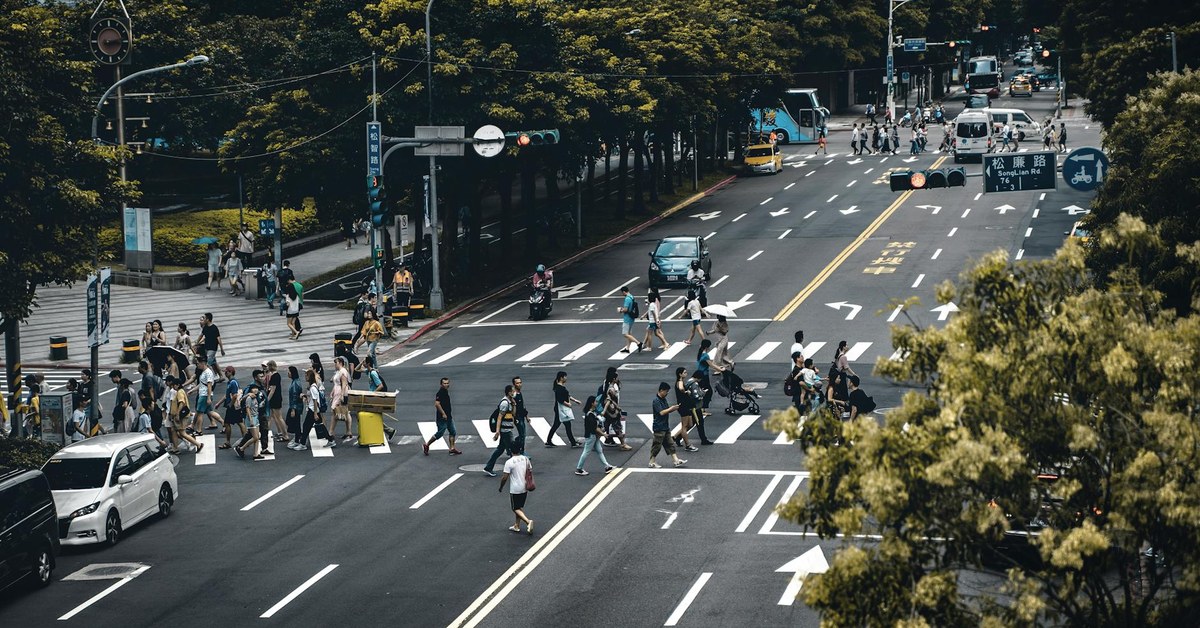

Age-Related Road Crossing Challenges: Navigating Pedestrian Safety Across the Lifespan
“Explore unique road crossing challenges faced by toddlers, children, teens, and seniors. Learn age-specific safety strategies to reduce pedestrian risks.”
Road safety is a universal concern, but the specific age-related road crossing challenges individuals face evolve significantly throughout life. From the impulsive steps of a toddler to the slower reactions of a senior, each age group encounters unique hurdles when navigating pedestrian environments. Understanding these distinct challenges is crucial for developing effective, age-appropriate strategies that enhance pedestrian safety by age and ultimately reduce the risk of accidents. This article delves into the specific risks encountered at different stages of life and provides actionable advice for fostering safer pedestrian habits for everyone.
Toddlers and Young Children (Ages 0-4): The Foundation of Road Safety
The earliest years present some of the most profound child road crossing risks due to developing cognitive and physical abilities. Toddlers are naturally curious and impulsive, often darting into roads without understanding the danger. Their small size also makes them difficult for drivers to see.
Unique Challenges for Toddlers and Young Children
- Limited Cognitive Development: Young children lack the ability to judge speed and distance accurately. They may see a car but not comprehend how quickly it can reach them. Their understanding of cause and effect is still forming.
- Impulsivity and Distraction: A ball rolling into the street or a pet on the other side can trigger an immediate, unthinking dash into traffic. They are easily distracted by their surroundings.
- Physical Limitations: Their peripheral vision is narrower than an adult’s, meaning they may not see vehicles approaching from the side. Their small stature also means they can be hidden behind parked cars or other objects, making them less visible to drivers.
- Egocentricity: Young children often assume that if they can see a car, the driver can see them, failing to understand the driver’s perspective or blind spots.
- Reliance on Adults: Until around the age of 8, children are generally not capable of making safe independent road crossing decisions.
Safety Strategies for Toddlers and Young Children
Adult supervision is paramount for this age group. Every outing should be an opportunity to model and reinforce safe behaviours.
- Constant Supervision and Hand-Holding: Always hold a young child’s hand firmly when near roads, car parks, or driveways. For multiple children, consider using a child safety harness or a walking rope.
- Use Buggies and Prams Safely: Ensure children are strapped into buggies or prams when near traffic. Teach them that these are safe zones.
- Educate Through Play: Introduce basic road safety concepts through songs, stories, and role-play. Teach them words like “stop,” “go,” “look,” and “wait.”
- Model Good Behaviour: Children learn by imitation. Always use safe crossing practices yourself, even if a child is not present. Point out hazards and explain your actions.
- Choose Safe Routes: Whenever possible, use pavements, designated pedestrian paths, and areas with minimal traffic. Avoid busy roads during peak hours.
- High Visibility: Dress children in bright, colourful clothing, especially when out walking. Reflective materials are beneficial in low light conditions.
Key Takeaway: For toddlers and young children, direct adult supervision and consistent modelling of safe behaviours are the most effective strategies to mitigate their inherent developmental vulnerabilities near roads.
Primary School-Aged Children (Ages 5-9): Developing Independence and Awareness
As children grow, they gain more independence and begin to venture further from direct adult supervision. However, their cognitive abilities for assessing complex traffic situations are still maturing, making child road crossing risks a significant concern.
Unique Challenges for Primary School-Aged Children
- Developing Judgment: While they can understand basic road rules, their ability to accurately judge the speed of vehicles and the distance required to cross safely is still developing. They may miscalculate gaps in traffic.
- Distraction and Peer Influence: Friends can be a major distraction, leading children to take risks they might not take alone. Games or conversations can divert their attention from the road.
- Overconfidence: Some children may overestimate their abilities, believing they are “old enough” to cross independently even when they are not fully equipped.
- Limited Hazard Perception: They may focus on a single vehicle and fail to notice others, or not recognise potential hazards like a car reversing out of a driveway.
- Complex Environments: Navigating busy junctions, roundabouts, or roads with multiple lanes is challenging for their developing minds.
Safety Strategies for Primary School-Aged Children
This stage is critical for active road safety education, moving from constant supervision to guided practice.
- The “Stop, Look, Listen, Think” Method: This classic method remains highly effective.
- Stop: At the kerb, before stepping into the road.
- Look: Both ways, multiple times, for traffic.
- Listen: For the sound of approaching vehicles.
- Think: Is it safe to cross? Is there enough time?
- Practise Safe Crossing Together: Regularly walk with children and practice crossing roads at different types of junctions and crossings (zebra crossings, pelican crossings, traffic lights). Explain the different signals and rules.
- Identify Safe Crossing Points: Teach children to always use designated crossing points where available. Explain why these are safer than crossing mid-block.
- Explain Traffic Signals: Ensure they understand what red, amber, and green lights mean for both pedestrians and vehicles.
- Visibility Matters: Emphasise wearing bright or reflective clothing, especially during dawn, dusk, or night-time. A study by the Royal Society for the Prevention of Accidents (RoSPA) highlights that reflective materials can make a pedestrian visible up to three times further away in headlights.
- Discuss Distractions: Talk about the dangers of distractions like playing games, talking to friends, or looking at phones while near roads.
- Safe Cycling and Scooting: If children cycle or scoot, ensure they understand road rules, wear helmets, and use hand signals. They should be taught to dismount and walk their bike/scooter across busy roads. [INTERNAL: cycling safety for children]
Pre-teens and Teenagers (Ages 10-18): Balancing Independence with Risk
As children enter adolescence, their desire for independence grows, and they increasingly navigate roads on their own. While their cognitive abilities are more developed, new teen pedestrian habits and challenges emerge, often linked to peer influence, technology, and a developing sense of invincibility.
Unique Challenges for Pre-teens and Teenagers
- Distraction from Technology: Mobile phones, headphones, and other electronic devices are a primary source of distraction. Texts, social media, and music can completely absorb attention, leading to “inattentional blindness” where serious hazards are simply not seen. According to a report by the World Health Organisation (WHO), distracted walking is a growing concern globally.
- Peer Pressure and Risk-Taking: Teenagers may take risks to impress friends, or simply due to a developing brain that is still maturing in impulse control and risk assessment. They might jaywalk or cross against signals if their friends are doing it.
- Overestimation of Abilities: Teens might believe they can outrun a car or judge a gap in traffic more accurately than they can, leading to dangerous decisions.
- Night-Time and Low-Light Conditions: Teens often socialise and travel during darker hours, increasing the risk due to reduced visibility for drivers and pedestrians.
- Alcohol and Substance Use: For older teenagers, impairment from alcohol or other substances can severely impact judgment, reaction time, and coordination, significantly increasing pedestrian risk.
Safety Strategies for Pre-teens and Teenagers
Education for this age group must focus on personal responsibility, the consequences of distraction, and making informed choices.
- Combat Distracted Walking:
- “Heads Up, Phones Down”: Encourage a strict rule of putting phones away and removing headphones when crossing roads or walking near traffic.
- Discuss Consequences: Share statistics and real-life examples of accidents caused by distracted walking. A traffic safety expert emphasises, “Distracted walking is as dangerous as distracted driving; both demand full attention.”
- Promote Visibility:
- Bright Clothing: Encourage wearing bright or reflective clothing, especially when out at night. Simple reflective strips on bags or shoes can make a difference.
- Carrying a Light: Suggest carrying a small torch or using a phone’s light function when walking in unlit areas.
- Understand Road Laws and Signals: Reinforce the importance of obeying all traffic signals and pedestrian crossings. Explain that these rules are for their safety, not just to control traffic flow.
- Planning Safe Routes: Encourage planning routes that utilise well-lit streets, pavements, and designated crossing points, especially at night. Avoiding shortcuts through unlit areas or construction sites is crucial.
- Peer Education: Encourage teens to positively influence their friends regarding road safety, challenging risky behaviours.
- Discuss Impairment: Openly discuss the dangers of walking near roads while under the influence of alcohol or drugs, and encourage planning for safe transport alternatives.
Seniors (Ages 65+): Navigating Changes in Mobility and Perception
As individuals age, physical and cognitive changes can create new senior road safety tips challenges, making them one of the most vulnerable pedestrian groups. According to a 2022 report by the UK’s Department for Transport, pedestrians aged 60 and over accounted for a disproportionately high number of fatalities in road collisions, highlighting their increased vulnerability.
Unique Challenges for Seniors
- Decreased Vision and Hearing: Age-related macular degeneration, cataracts, and presbycusis (age-related hearing loss) can impair the ability to see approaching vehicles clearly or hear their engines.
- Slower Reaction Times: The time it takes to process information and react physically increases with age. This means less time to make crossing decisions or move quickly out of harm’s way.
- Reduced Mobility and Balance: Slower walking speeds, joint stiffness, and decreased balance can make crossing roads, especially wide or busy ones, more challenging. They may struggle to step up/down kerbs quickly.
- Difficulty Judging Speed and Distance: Similar to young children, some seniors may experience a decline in their ability to accurately judge vehicle speeds and the time available to cross.
- Complex Intersections: Navigating intersections with multiple lanes, turning vehicles, and short pedestrian crossing times can be particularly stressful and dangerous.
- Medication Side Effects: Some medications can cause dizziness, drowsiness, or affect vision, further impairing judgment and physical ability.
Safety Strategies for Seniors
Strategies for seniors focus on adapting to physical changes, planning, and utilising available support.
- Plan Routes Carefully:
- Choose Safe Paths: Select routes with well-maintained pavements, minimal kerb heights, and clearly marked pedestrian crossings.
- Avoid Peak Hours: If possible, avoid walking during rush hour when traffic is heaviest and drivers may be more rushed.
- Allow Extra Time: Give yourself ample time to cross, even if it means waiting for several light cycles. Never rush.
- Enhance Visibility:
- Bright and Reflective Clothing: Always wear bright colours during the day and reflective materials at night. Consider a high-visibility vest or jacket.
- Walking Aids with Reflectors: If using a walking stick or frame, ensure it has reflective tape.
- Regular Health Checks:
- Vision and Hearing: Schedule regular eye and ear examinations and update prescriptions as needed. Good vision and hearing are crucial for road safety.
- Medication Review: Discuss any medications with a doctor or pharmacist to understand potential side effects that could impact mobility or alertness.
- Use Designated Crossings: Prioritise using pedestrian crossings, traffic lights, and footbridges. Pay close attention to crossing signals and ensure traffic has fully stopped before stepping into the road.
- Be Aware of Surroundings: Avoid distractions like mobile phones. Focus entirely on the traffic and your environment when near roads.
- Consider Walking Groups: Walking with others can provide a sense of security and mutual support. Community programmes often offer safe walking initiatives.
- Seek Mobility Support: If balance or mobility is a concern, consult a healthcare professional for advice on mobility aids or exercises to improve strength and balance. A geriatric mobility specialist advises, “Seniors should proactively assess their physical capabilities and adapt their pedestrian habits, seeking professional advice on mobility aids and exercises when necessary.”
Key Takeaway: For seniors, adapting to physical changes, meticulous route planning, maintaining health checks, and enhancing visibility are key to navigating roads safely and confidently.
The Role of Road Safety Education Age Appropriately
Effective road safety education age is not a one-time lesson but a continuous process that adapts to developmental stages. Public awareness campaigns and educational programmes play a vital role in reinforcing these messages. Organisations like the Red Cross and UNICEF often partner with local authorities to deliver age-specific road safety initiatives. For instance, UNICEF’s ‘Street Smart’ programmes in various countries focus on practical skills and awareness for children and young people.
Key Principles of Age-Appropriate Education
- Repetition and Reinforcement: Road safety messages need to be repeated frequently and consistently across all age groups.
- Practical Application: Learning by doing, such as practicing crossing roads with children, is more effective than theoretical instruction alone.
- Role Modelling: Adults must consistently demonstrate safe pedestrian behaviour.
- Understanding Consequences: Explaining the potential outcomes of unsafe behaviour, tailored to the age group’s comprehension level, is important.
- Community Involvement: Schools, local councils, and community groups can collaborate to create safer pedestrian environments and deliver targeted education.
By recognising the unique age-related road crossing challenges inherent in each stage of life, and implementing tailored safety strategies, we can collectively work towards a future where everyone, regardless of age, can navigate our roads with greater confidence and security. This holistic approach to pedestrian safety by age is fundamental to creating safer communities for all. [INTERNAL: comprehensive guide to family road safety]
What to Do Next
- Assess Your Family’s Needs: Review the challenges and strategies relevant to each age group in your household. Identify specific areas where you can improve safety practices or education.
- Practice Together: Take time to walk with children and seniors, actively practising safe road crossing techniques and discussing real-life traffic situations.
- Enhance Visibility: Invest in reflective gear, bright clothing, or high-visibility accessories for all family members, especially if walking during low-light conditions is common.
- Stay Informed: Regularly check for local road safety campaigns or community programmes offered by organisations like your local council, police, or charities such as Brake or RoSPA.
- Be a Role Model: Consistently demonstrate safe pedestrian behaviour yourself, as your actions speak louder than words, particularly for younger family members.
Sources and Further Reading
- World Health Organisation (WHO) – Road Traffic Injuries: www.who.int/news-room/fact-sheets/detail/road-traffic-injuries
- Royal Society for the Prevention of Accidents (RoSPA) – Pedestrian Safety: www.rospa.com/road-safety/advice/pedestrians
- Brake, the road safety charity – Pedestrian Safety: www.brake.org.uk/info-advice/road-safety-advice/pedestrian-safety
- UNICEF – Child Road Safety: www.unicef.org/transport
- Department for Transport (UK) – Road Safety Statistics: www.gov.uk/government/collections/road-safety-statistics