Airport and Air Travel Safety
Air travel is one of the safest forms of transport in the world, but airports and flights still present real safety and security considerations. This guide covers everything young adults need to know before, during, and after flying.
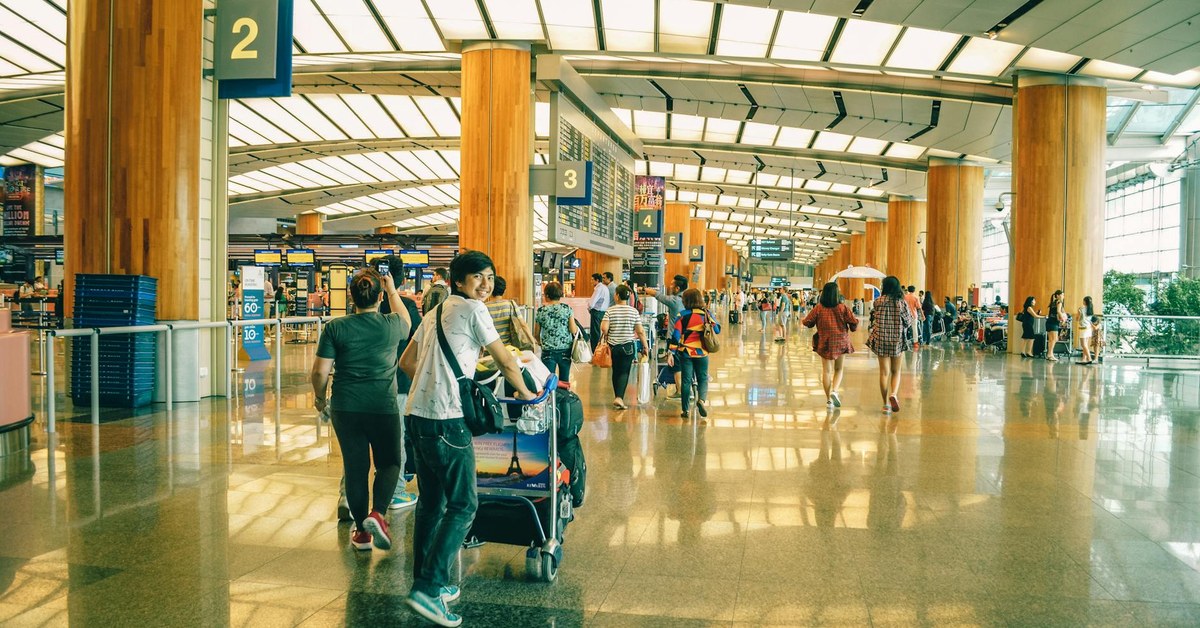

Airport and Air Travel Safety
“Air travel is one of the safest forms of transport in the world, but airports and flights still present real safety and security considerations. This guide covers everything young adults need to know before, during, and after flying.”
Introduction: Air Travel and the Modern Young Adult
For today's young adults, air travel is often a routine part of life. Whether it is flying home from university during the holidays, taking a gap year trip across Southeast Asia, attending an international conference, or relocating for work, millions of young people board commercial aircraft every single day. Despite being statistically the safest form of long-distance travel, airports and flights still present real risks, and navigating them with confidence requires knowledge and preparation.
This guide covers the full picture of air travel safety for young adults, from preparation and documentation through airport security and in-flight considerations to what to do if something goes wrong. The aim is not to create anxiety about flying, but to ensure that when you travel, you do so with the awareness and tools to handle whatever you might encounter.
Before You Travel: Preparation Is Everything
The foundation of safe air travel is laid long before you reach the airport. Starting with your documentation, ensure your passport is valid for at least six months beyond your intended return date. Many countries, including most of those in Southeast Asia, the Middle East, and Africa, will deny entry to travellers whose passports expire sooner than this, regardless of their visa status. Always check the specific entry requirements for your destination well in advance, as these can change.
Travel insurance is non-negotiable. A comprehensive policy should cover medical emergencies including evacuation, trip cancellation or interruption, lost or stolen luggage, and travel delays. Medical care in many countries can be extremely expensive for uninsured travellers. In the United States, for example, a single night in a hospital without insurance can cost more than many people earn in a month. Even in countries with generally good public healthcare, foreign nationals are often required to pay for treatment upfront and claim back costs later, which makes having insurance essential rather than optional.
Register your trip with your country's foreign affairs or foreign ministry service if you are travelling internationally. In the UK, this is the Foreign, Commonwealth and Development Office's LOCATE service. In Australia, it is the Smartraveller register. In Canada, it is the Registration of Canadians Abroad service. These services allow your government to contact you in the event of a natural disaster, political unrest, or other emergency.
Research your destination carefully before you travel. Government travel advisories are a valuable and underused resource. They provide information about current security conditions, health risks, local laws, and areas to avoid. This is especially important for young adults travelling solo or to destinations that may be experiencing political instability or elevated crime.
At the Airport: Navigating Security and Staying Safe
Airports are complex, busy environments that attract large numbers of people, including opportunistic criminals. Understanding how to move through an airport safely is a practical skill that any frequent traveller develops over time.
Keep your passport, boarding pass, and any cash or cards in a secure, accessible location such as an inside pocket or a cross-body bag rather than a rucksack pocket or carry-on bag in overhead storage. Pickpocketing is a genuine concern in busy terminals, particularly in airports across Southern Europe, South America, and parts of Asia. Be especially vigilant in queues, at check-in desks, and during the security screening process, when you are distracted and your belongings are spread out on conveyor belts.
During the security screening process, be aware of the standard procedure and any country-specific variations. In most international airports, you will need to remove your shoes, belt, and jacket, and place laptops and liquids separately in trays. Liquids in carry-on bags must typically be in containers of no more than 100ml and placed in a single clear plastic bag. Rules around liquids are being updated in some countries as technology improves, so always check current regulations before you travel.
Once through security, stay alert in the departures lounge. Avoid leaving your bags unattended under any circumstances, even to visit a nearby shop or toilet. An unattended bag in an airport can be reported as a security threat and result in significant disruption, and in some cases, items left unattended can be stolen.
Be cautious about using public charging stations at airports. There have been documented cases of so-called juice jacking, where malicious software is installed on devices via compromised USB ports. Use your own charger and a standard power outlet where possible, or carry a portable power bank to avoid relying on public charging facilities.
If you are travelling through an unfamiliar airport, familiarise yourself with the layout in advance using the airport's website or app. Knowing where your gate is, how long it takes to walk there, and where the nearest toilets and food options are can reduce stress and help you stay oriented in a busy environment.
In the Air: Understanding Flight Safety
Commercial aviation is subject to extraordinarily rigorous safety standards, and the global accident rate for commercial flights is extremely low. Nevertheless, there are practical steps that can meaningfully reduce your risk while flying.
Pay attention to the safety briefing at the start of every flight, even if you have heard it many times before. Familiarise yourself with the location of the nearest emergency exits, which may be behind you as well as in front. Research consistently shows that passengers who have paid attention to the safety briefing and have identified the exits nearest to their seat are more likely to exit an aircraft safely in an emergency.
Keep your seatbelt fastened whenever you are seated, even when the seatbelt sign is switched off. Turbulence can occur without warning, and injuries caused by unexpected turbulence are among the most common aviation-related injuries. They are also almost entirely preventable.
Stay hydrated during long flights. The cabin humidity on a commercial aircraft is significantly lower than that in most buildings, which means you dehydrate more quickly than you might expect. Drink water regularly throughout the flight and limit your consumption of alcohol and caffeine, both of which can worsen dehydration and affect your ability to rest.
Deep vein thrombosis, commonly known as DVT, is a genuine health risk on long-haul flights. This occurs when a blood clot forms in a deep vein, usually in the leg, as a result of prolonged immobility. To reduce the risk, move your feet and legs regularly, get up and walk around the cabin every hour or so on longer flights, and consider wearing compression socks if you are travelling for more than four hours or if you have any known risk factors. If you develop significant swelling, pain, or redness in your leg during or after a flight, seek medical attention.
Jet lag is a real physiological phenomenon, not merely tiredness. When you cross several time zones, your body's internal clock needs time to adjust. To minimise its effects, try to adapt to the local time zone as quickly as possible upon arrival, avoid napping for long periods immediately after landing if it is daytime at your destination, and expose yourself to natural light. Some travellers find that adjusting their sleep schedule slightly in the days before departure helps reduce the severity of jet lag on arrival.
Health and Hygiene on Flights
Aircraft cabins are enclosed spaces with recirculated air, which has led many people to assume that flying increases the risk of catching illnesses. In practice, modern aircraft use high-efficiency particulate air filters that capture the vast majority of airborne particles, including most bacteria and viruses. However, close contact with fellow passengers in confined spaces does still present some risk of transmission of respiratory illnesses.
Washing your hands regularly during a flight is one of the most effective ways to reduce the risk of illness. Tray tables, seat armrests, and toilet door handles are among the most frequently touched and least frequently cleaned surfaces on an aircraft. Using hand sanitiser after touching these surfaces and before eating is a sensible precaution.
If you are feeling unwell before a flight, consider whether it is appropriate to travel. Flying with a fever or a contagious illness is not only potentially harmful to you, it can also expose fellow passengers to infection. Many airlines now have policies allowing passengers to rebook without penalty if they are unwell, particularly following the experiences of the COVID-19 pandemic.
Layovers and Connecting Flights
Layovers introduce an additional layer of complexity to air travel, particularly when they are long or involve transiting through an unfamiliar country. For young adults travelling with tight budgets and packed itineraries, understanding how to manage a layover safely is important.
Check in advance whether your layover requires a transit visa. Even if you do not plan to leave the airport, some countries require citizens of certain nations to hold a transit visa. Getting this wrong can result in being denied boarding on your original flight, which is both stressful and expensive to resolve.
For long layovers, particularly overnight ones, research whether the airport has suitable facilities for extended stays. Many major international airports have dedicated rest zones, showers, and secure storage for luggage. Alternatively, consider whether an airport hotel is within your budget, as the cost of a few hours of proper sleep can be well worth it in terms of your alertness and wellbeing for the rest of the journey.
If you plan to leave the airport during a long layover to explore a city, ensure you have enough time to return, clear security again, and reach your gate comfortably. Allow considerably more time than you think you need, as customs queues, traffic, and unexpected delays can easily eat into your buffer.
Arriving at Your Destination
The period immediately after landing can be disorienting, particularly when arriving in a new country for the first time or late at night. This is also a time when travellers can be vulnerable to scams and overcharging.
Use only official, licensed taxis or pre-booked transport from the airport. In many cities around the world, unlicensed drivers operate near arrival halls specifically targeting tired and disoriented travellers. If you are unsure which taxis are licensed, ask at the information desk inside the terminal. Many airports now also have clearly designated rideshare pick-up zones for services such as Uber, Grab, or Bolt.
Keep your luggage with you at all times in the arrivals hall and be wary of strangers who approach you offering assistance with your bags or asking questions about your accommodation. While most people are genuinely helpful, distraction techniques are a common method used by opportunistic thieves in busy airport arrivals areas.
Have the address of your accommodation saved offline on your phone or written down, so that you can direct a driver or navigate yourself even if you do not have mobile data access immediately after landing.
When Things Go Wrong
Despite best efforts, things do sometimes go wrong during air travel. Knowing how to respond calmly and effectively can make a significant difference.
If your luggage is lost or delayed, report it to the airline's baggage desk before leaving the airport. File a property irregularity report and obtain a reference number. Most airlines are required to compensate passengers for delayed baggage under international conventions such as the Montreal Convention, which applies to international flights from most countries. Keep receipts for any essential items you need to purchase while waiting for your luggage.
If your flight is significantly delayed or cancelled, you may be entitled to compensation depending on the route and the airline's country of operation. In the European Union, EC Regulation 261/2004 provides strong passenger rights for delays and cancellations on flights departing from EU airports or operated by EU-based carriers. Similar regulations exist in the UK following Brexit. Understanding your rights as a passenger before you travel is a practical step that can save you considerable frustration.
In the event of a genuine emergency, follow the instructions of the cabin crew without hesitation. Their training is specifically designed to manage emergency situations effectively, and passengers who follow instructions promptly have significantly better outcomes in aircraft emergencies.
A Final Word on Confidence and Preparedness
Air travel is, for the vast majority of journeys, completely uneventful. But the young adults who travel most confidently and safely are those who have taken the time to prepare, understand their rights and responsibilities, and know what to do in the situations that do occasionally arise. Good preparation transforms potential anxiety into confidence, and that confidence, in turn, makes for a significantly better travel experience.