Alcohol and Older Adults: What Changes With Age
Alcohol affects older adults differently than younger people, and the safe limits that applied in earlier life may no longer apply. This guide explains what changes, what risks to be aware of, and how to make informed choices about drinking in later life.
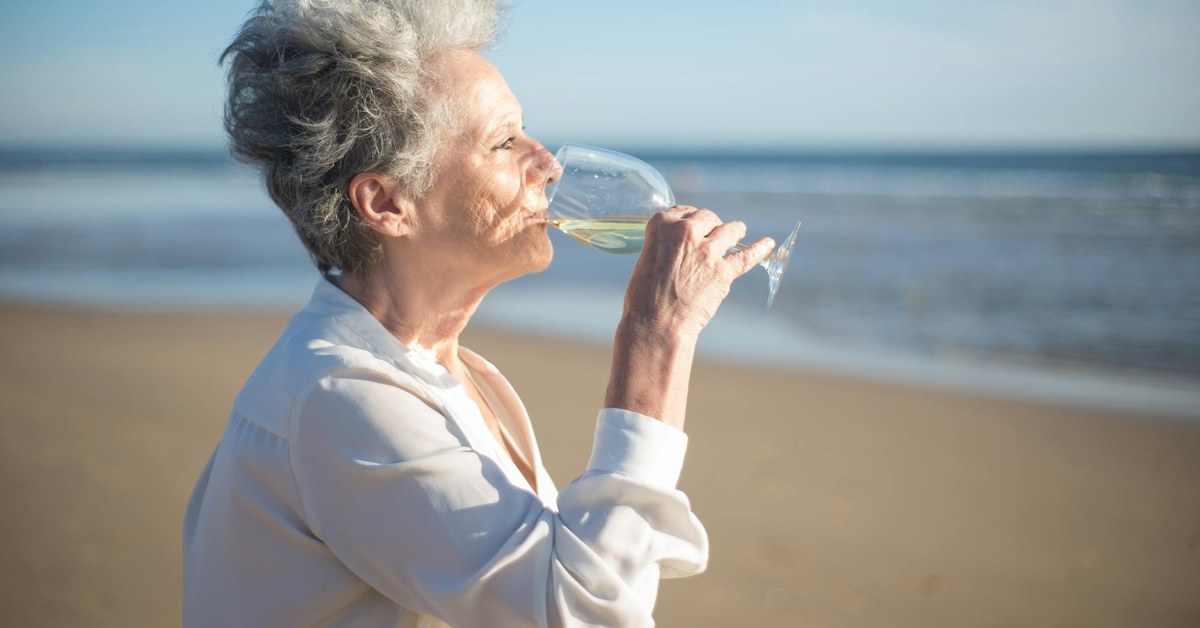

Alcohol and Older Adults: What Changes With Age
“Alcohol affects older adults differently than younger people, and the safe limits that applied in earlier life may no longer apply. This guide explains what changes, what risks to be aware of, and how to make informed choices about drinking in later life.”
Why Alcohol Affects Older Adults Differently
Many older adults have a long and largely uneventful relationship with alcohol: a glass of wine with dinner, a beer at the weekend, a whisky at Christmas. They know how alcohol affects them, or think they do. What they may not realise is that ageing changes the way the body processes alcohol in ways that make the same amount of alcohol more potent and more risky than it was in earlier decades.
Several physiological changes contribute to this shift. Body water content decreases with age, meaning there is less fluid to dilute alcohol, and the same amount of alcohol produces a higher blood alcohol concentration in an older person than in a younger one of similar weight. The liver metabolises alcohol more slowly with age, extending the period during which alcohol remains active in the body. And the brain becomes more sensitive to the effects of alcohol with age, meaning cognitive and physical impairment occurs at lower blood alcohol levels than before.
The practical implication is significant: an older adult who has always managed two glasses of wine without any apparent effect may find that the same two glasses now cause unsteadiness, confusion, or impaired sleep. If you have not revisited your alcohol habits in recent years, doing so is worthwhile.
Medications and Alcohol: A Critical Interaction
Older adults take more medications on average than any other age group, and many of the most commonly prescribed medications interact adversely with alcohol. These interactions range from reduced effectiveness of the medication to dangerous amplification of side effects.
Blood thinners such as warfarin interact with alcohol in ways that can significantly increase or decrease anticoagulation, creating risk of either bleeding or clotting. Sleeping tablets and sedatives combined with alcohol produce compounding central nervous system depression that can cause dangerous over-sedation. Pain medications including both over-the-counter options like paracetamol and codeine, and prescription opioids, carry significant alcohol interaction risks. Antidepressants, blood pressure medications, diabetes medications, and antihistamines all have documented interactions with alcohol that range from significant to dangerous.
The right step is straightforward: ask your GP or pharmacist explicitly whether alcohol is safe with each medication you take. Many people are not told this proactively, and it is not a question that should feel awkward to raise. The pharmacist at your local dispensing pharmacy can check all your current medications for alcohol interactions in a single consultation, and this is a service that is free and available without an appointment.
Falls and Physical Safety
Falls are the leading cause of injury-related hospital admissions in older adults, and alcohol significantly increases fall risk through multiple mechanisms: impaired balance and coordination, reduced reaction time, lowered blood pressure on standing, and reduced judgement about whether a surface or action is safe. Even one or two drinks can meaningfully increase fall risk in an older adult, particularly one who already has some gait instability, uses a walking aid, or takes medications that affect balance.
If you are at risk of falls, be particularly cautious about drinking in contexts where you will subsequently need to navigate stairs, unfamiliar environments, or wet or uneven surfaces. The combination of impaired balance and a challenging physical environment is significantly more dangerous than either alone.
Drinking in the evening, which is when most social drinking occurs, is also when fall risk is highest for other reasons: tiredness, lower light levels, and the need to navigate to the bathroom at night all combine with any residual alcohol effects to create elevated risk during the night hours following drinking.
Cognitive Effects and Dementia Risk
There is no safe level of alcohol consumption in terms of dementia risk. Research has consistently shown that alcohol is a risk factor for cognitive decline, and that this association holds even at moderate levels of consumption. For people who already have some cognitive impairment, or who have a family history of dementia, minimising alcohol intake is particularly worthwhile.
Alcohol also interacts with sleep quality in ways that affect cognitive function. While alcohol can help people fall asleep, it disrupts the later, deeper stages of sleep that are most important for memory consolidation and cognitive restoration. Regular drinking in the evening is associated with poorer cognitive function the following day, a pattern that compounds over time.
Healthy Limits and Practical Guidance
The UK Chief Medical Officers' low-risk drinking guidelines recommend no more than fourteen units of alcohol per week for both men and women, spread over at least three days rather than consumed in one or two sessions. For older adults, many specialists suggest that a more conservative approach, given the physiological changes described above, is appropriate.
Alcohol-free days each week allow the body time to process alcohol fully and reduce the risk of building tolerance and dependency. Measuring drinks rather than pouring freely gives an accurate picture of actual consumption, which most people significantly underestimate. A standard 750ml bottle of wine contains approximately ten units, meaning a typical "glass" can contain anywhere from two to three units depending on the pour.
If you are concerned that alcohol has become a more significant feature of daily life than you intended, your GP is the appropriate first point of contact. Alcohol dependency is a medical condition, not a moral failing, and there are effective treatments. Older adults are particularly likely to develop alcohol dependency in the context of loneliness, bereavement, pain, or depression, and addressing the underlying cause alongside the drinking is an important part of effective support.