Online Safety for Autistic Children and Teenagers
Autistic young people face specific online safety risks that are distinct from those facing neurotypical peers. This guide explores those differences and gives families practical strategies tailored to the needs of autistic children and teenagers.
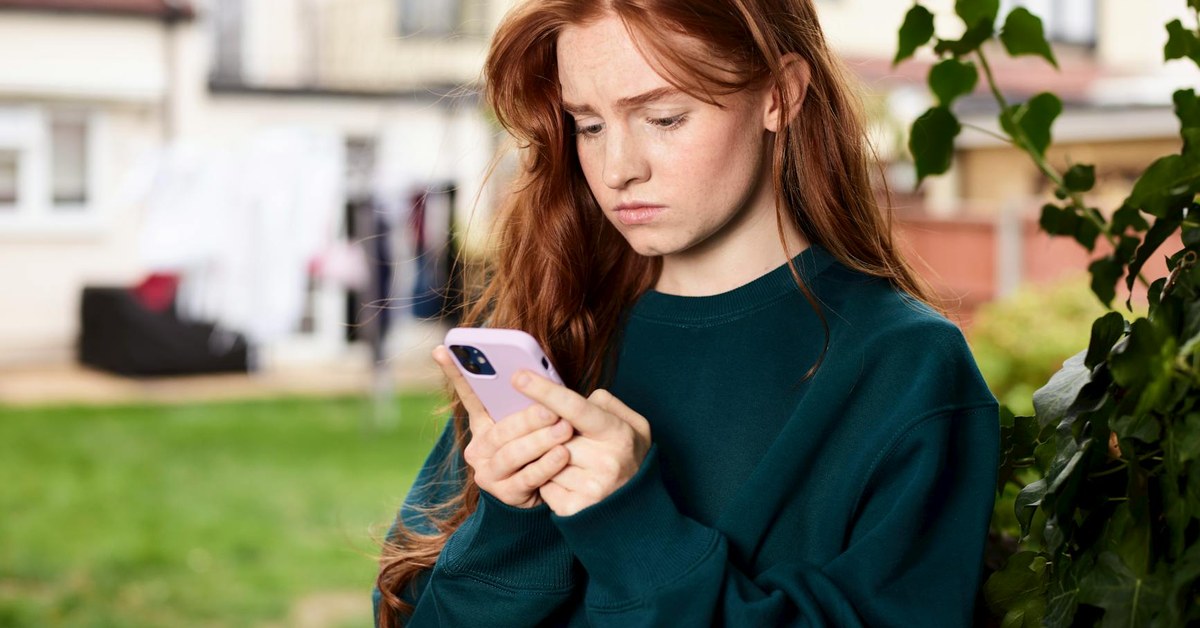

Online Safety for Autistic Children and Teenagers
“Autistic young people face specific online safety risks that are distinct from those facing neurotypical peers. This guide explores those differences and gives families practical strategies tailored to the needs of autistic children and teenagers.”
Why Autistic Young People Need Tailored Online Safety Education
Online safety education, as it is typically delivered in schools and by parents, tends to assume a particular set of social intuitions: the ability to pick up on subtle social cues, a default wariness toward strangers, the capacity to recognise manipulation through emotional signals, and the awareness that online relationships can be fundamentally different from face-to-face ones. Many autistic young people process social information differently, and this can create specific vulnerabilities in online environments that standard online safety advice does not adequately address.
This is not about autistic young people being less intelligent or less capable than neurotypical peers. It is about recognising that the internet creates specific social situations that can be more complex for people who rely on explicit rules and direct communication. Understanding these specific risks allows families, carers, and educators to provide support that is genuinely useful.
Specific Online Risks for Autistic Young People
Social Manipulation and Grooming
Online grooming typically works through gradual escalation of intimacy, subtle boundary testing, and the exploitation of trust built over time. For autistic young people who struggle to read implicit social cues, this process can be harder to recognise. When someone is kind and direct in their communication, this may feel straightforwardly genuine rather than calculated, even when the relationship is escalating in concerning ways.
Autistic young people who experience social isolation or have fewer close friendships at school may be particularly vulnerable to online relationships that provide a sense of belonging and acceptance. Predators who understand this may specifically target autistic individuals precisely because the desire for genuine connection can override caution. Online spaces including gaming platforms, fan communities, and specialist interest groups attract many autistic young people and are also targeted by those who seek to exploit them.
Challenges with Social Norms in Online Communication
Many autistic young people are highly rule-oriented: if they understand a clear rule, they will follow it consistently. However, online social norms are often implicit, context-dependent, and ambiguous. What is appropriate to share in one community may be deeply inappropriate in another. Jokes that are acceptable among close friends may be offensive to a broader audience. The ironic or sarcastic tone of some communities may be taken literally.
This can lead autistic teenagers to inadvertently share personal information too freely, misunderstand the nature of an online community, respond to provocation or hostility in ways that escalate conflicts, or become targets of harassment from online communities who exploit these differences for entertainment.
Trust and Honesty
Many autistic young people have a strong commitment to honesty and assume the same from others. This makes the concept of online deception, including fake profiles, fabricated identities, and deliberate manipulation, harder to internalise as a genuine risk. The idea that someone online might be entirely different from how they present is obvious in the abstract but genuinely difficult to apply in practice when the specific person has been consistently kind and responsive.
Teaching that online deception exists is not sufficient. Autistic young people often benefit from explicit, concrete scenarios that illustrate how deception works in practice, combined with clear rules for specific situations: never share your home address with anyone online, even if they seem trustworthy, is more usable than be careful about who you trust online.
Intense Interests and Specialist Communities
Many autistic young people have intense, specialist interests and find online communities centred on those interests to be some of the most positive and meaningful social spaces available to them. Fan communities, gaming groups, hobby forums, and specialist interest platforms can provide genuine friendship, validation, and a sense of belonging that may be harder to find in offline settings.
These same communities, however, can also include adults who use shared interests as a way to build inappropriate relationships with young people. The initial connection around a genuine shared passion can make it harder to recognise when a relationship is developing in a concerning direction. Families should engage positively with these interests and communities while also maintaining awareness of who their child is talking to and how those relationships are developing.
Executive Function and Online Decision-Making
Executive function difficulties, including challenges with impulse control, anticipating consequences, and in-the-moment decision-making, can affect some autistic individuals' online behaviour. Acting without thinking, sharing something before fully considering the implications, or responding to a provocation impulsively are all behaviours that can have significant consequences online that are difficult to undo.
Strategies that support executive function in other areas of life, including building structured routines, taking a pause before acting, and having clear decision-making rules, can be directly applied to online settings. Agreeing on a simple rule such as wait 10 minutes before responding to anything that upsets you can be genuinely helpful.
Effective Online Safety Strategies for Autistic Young People
Explicit and Concrete Rules
Rather than relying on general principles that require social intuition to apply, autistic young people often benefit from explicit, specific rules. These should be developed collaboratively, explained with clear rationale, and applied consistently. Examples include: never share your real name, school, or address with anyone online unless a trusted adult has explicitly confirmed it is safe to do so; if anyone online asks you to do something that you would not do in front of your parents, stop the conversation; if something feels confusing or wrong, come to me before responding.
Social Stories and Scenario Practice
Social stories and role-playing scenarios are effective tools for teaching social skills to many autistic young people, and the same approach works well for online safety. Creating stories or scenarios that illustrate specific online risks in concrete, narrative form helps translate abstract principles into recognisable patterns. Practicing responses to specific situations, including how to end a conversation, how to ask for help, and what to do if someone asks for personal information, builds confidence and reduces panic in the moment.
Building a Safety Network
Autistic young people should have at least one trusted adult they can go to with online concerns without fear of having their device taken away or being blamed. The assurance that you will not be punished for coming to me with a problem is particularly important, because fear of predictable negative consequences (device removal, restriction of favourite activities) is a significant barrier to disclosure.
Involving the young person's key worker, support teacher, or therapist in online safety conversations can also be valuable, as these individuals often have established trust and communication strategies with the young person.
Privacy Settings and Technical Supports
For younger autistic children, technical controls including parental controls, supervised accounts, and content filters provide a layer of protection that reduces the need for in-the-moment judgement calls. As young people grow older, these controls should gradually give way to increasing autonomy combined with ongoing conversation rather than abrupt removal of all structure.
For teenagers, explaining how privacy settings work, including why they matter and what specific settings do, gives them the agency to manage their own safety rather than relying entirely on parental oversight. Autistic teenagers who understand the technical rules of privacy settings often apply them more consistently than neurotypical peers.
Supporting Strengths, Not Just Managing Risks
A focus purely on risk can obscure the genuine benefits that online spaces offer many autistic young people. The ability to communicate in writing, to connect with others who share niche interests, to participate at their own pace without the demands of real-time social interaction, and to find communities where neurodivergence is accepted and valued are all significant positives.
Online safety education that builds on these strengths, supporting autistic young people to thrive in online spaces rather than simply protecting them from harm, is both more empowering and more effective than purely restrictive approaches.
When to Seek Additional Support
If an autistic young person has been the victim of online exploitation or harassment, they may need specialist support that combines understanding of both online safety and autism. Standard support services may not always be equipped to communicate in the most effective way for autistic individuals.
Safeguarding teams in schools and specialist autism organisations can help identify appropriate support. Parents and carers should also consider whether concerns about online safety connect to broader social or emotional difficulties that might benefit from therapeutic support, and work with the young person's existing support network to ensure a joined-up response.