Beach and Sea Safety: Rip Currents, Tides, and Staying Safe
The ocean can be unpredictable and dangerous even for confident swimmers. Learn how to identify rip currents, understand tides, and follow the safety rules that could save your life at the beach.
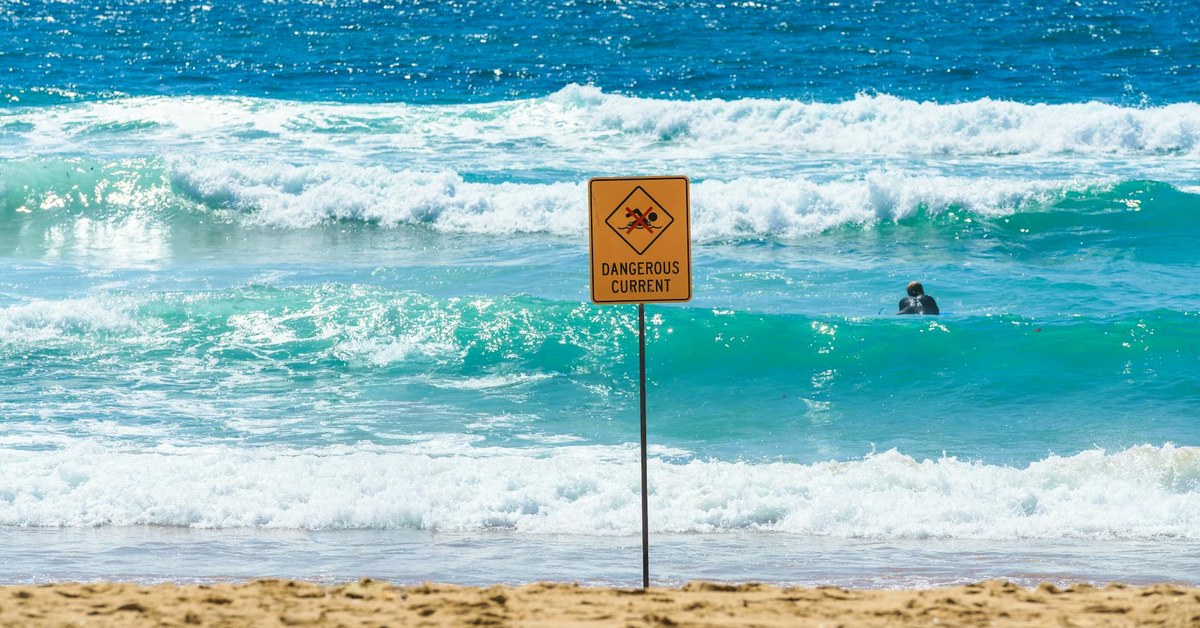

Beach and Sea Safety: Rip Currents, Tides, and Staying Safe
“The ocean can be unpredictable and dangerous even for confident swimmers. Learn how to identify rip currents, understand tides, and follow the safety rules that could save your life at the beach.”
Why the Ocean Demands Respect
Beaches and coastlines are among the most visited places on earth. Every year, millions of people swim, surf, snorkel, and enjoy the sea for recreation. Yet the ocean is also one of the most powerful and unpredictable natural environments humans encounter, and drowning remains a significant cause of accidental death worldwide.
The majority of drowning incidents at beaches involve people who underestimate the sea. Conditions can change quickly, and the ocean does not distinguish between a strong swimmer and a weak one when a rip current or unexpected wave is involved. Understanding the hazards you may encounter, and knowing how to respond to them, is essential whether you are visiting a tropical beach, a surf coast in the southern hemisphere, or a cooler temperate shoreline.
Understanding Rip Currents
Rip currents are the single greatest hazard for swimmers at beaches worldwide. They are powerful, fast-moving channels of water that flow from the shore out to sea, and they are responsible for the majority of beach rescues and a significant proportion of drowning fatalities. Understanding what rip currents are and how to recognise them is one of the most important pieces of beach safety knowledge you can have.
Rip currents form when water pushed shoreward by waves needs to find a way back out to sea. This water tends to concentrate in channels or gaps in sandbars, reef structures, or near piers and jetties, creating a strong outward flow. Rip currents can reach speeds of up to 8 kilometres per hour, which is faster than most people can swim. They are not undertows, and they do not pull you underwater. What they do is pull you away from shore, quickly and powerfully.
Identifying a rip current from the shore is a skill worth developing. Signs to look for include a channel of choppy, discoloured, or murky water that looks different to the surrounding sea. This water may appear darker or a different shade of brown or green due to stirred-up sand. Rip currents often create a line of foam or floating debris moving steadily out to sea. The water in a rip channel may appear calmer than the surrounding surf, which can falsely make it look like a safe entry point.
What to Do If You Are Caught in a Rip Current
If you find yourself caught in a rip current, the most important thing to remember is not to panic. Panic leads to exhaustion, and exhaustion is dangerous in the water. A rip current will not pull you underwater. It will carry you away from shore, but it will eventually dissipate.
Do not attempt to swim directly back to shore against the current. This is the instinctive response, but it will exhaust you before you make meaningful progress. Instead, swim parallel to the shore, across the current rather than against it. Rip currents are typically narrow channels, often only 20 to 30 metres wide. By swimming parallel to the beach, you can escape the pull of the current and then swim back to shore at an angle, using the waves to assist you.
If you are unable to swim out of the rip current, float on your back, conserve your energy, and raise your arm to signal for help. Lifeguards are trained to spot and respond to swimmers in distress. If there are no lifeguards present, continuing to float while signalling gives you the best chance of survival and helps rescuers locate you.
If you see someone else caught in a rip current, raise the alarm immediately by calling emergency services and alerting beach lifeguards if present. Do not attempt a rescue by swimming out to the person unless you are trained in water rescue, as you risk becoming a second victim. Throw a flotation device such as a lifebuoy or even a cooler box if one is available, or extend a towel, rope, or any other floating object the person can hold onto.
Understanding Tides and How They Affect Safety
Tides are the regular rise and fall of sea levels caused by the gravitational pull of the moon and sun. Most coastlines experience two high tides and two low tides every 24 hours, though the pattern varies depending on location. Understanding tides is essential for safe swimming, but it is also critical for activities such as exploring rock pools, cliff walks above the shoreline, and sea caves.
An incoming tide, known as a flood tide, can cut off access to beaches accessible at low tide, trap people in sea caves, and rapidly submerge rocks and sandbars. People are injured and killed every year by being caught out by rising tides in locations they thought were safe. Before exploring coastal areas, always check local tide times. These are freely available through national weather services, coastguard websites, and specialist apps.
Be particularly cautious around sea caves, rock arches, and beaches that are only accessible by walking along a narrow strip of sand or rocks at the base of cliffs. These locations can become completely inaccessible once the tide comes in. If you are unsure whether you can complete a coastal walk or reach a specific beach and return safely before the tide turns, do not attempt it.
Spring tides, which occur around the time of full and new moons, produce particularly high and low water levels. They can affect beaches and coastal areas in ways that neap tides do not, so it is worth checking the moon phase as well as the tide table if you are planning activities close to the water's edge.
Reading the Conditions Before You Enter the Water
Before getting into the sea, take a few minutes to assess the conditions. This is a habit that experienced ocean swimmers and surfers develop automatically, and it is one of the most effective ways to avoid getting into trouble.
Look at the size and frequency of the waves. Large waves breaking close to shore indicate powerful surf and are a warning to inexperienced swimmers. Check whether there are any obvious rip currents as described above. Note the direction of the wind, as offshore winds can make it harder to swim back to shore. Observe whether other swimmers are in the water and how they are faring.
Check for warning flags and signs. Patrolled beaches use a standardised flag system in many countries to communicate conditions to beachgoers. A red and yellow flag indicates a patrolled swimming area and the safest zone to swim between. A red flag means dangerous conditions and swimming is not advised. A black and white chequered flag marks areas for surfboards and other craft. An orange windsock indicates strong offshore winds. A blue or purple flag may indicate the presence of marine creatures such as jellyfish or sea lice, depending on the location.
Never swim at an unpatrolled beach alone. If you must swim at an unpatrolled beach, go with others, let someone know where you are, and stay close to shore in water no deeper than waist height until you are confident about the conditions.
Surf and Wave Hazards
Breaking waves can be extremely powerful. Dumping waves, which break suddenly in shallow water, can throw a swimmer to the bottom with enough force to cause spinal injury. If you see a large wave about to break on top of you, dive beneath it rather than turning your back. If you are body surfing, always keep your arms extended in front of you to protect your head and neck as you reach shallow water.
If you are knocked over by a wave, protect your head with your arms, stay calm, and wait for the turbulence to pass before attempting to swim. Trying to fight a wave will exhaust you quickly. Roll with it, hold your breath, and when the force subsides, orientate yourself and swim towards the surface.
Be aware of the impact zone, the area where waves are actively breaking. Even at beaches with moderate surf, spending time in the impact zone is tiring and potentially dangerous for less experienced swimmers. Swim out beyond the breaking waves or stay inside them in calmer shallower water.
Other Ocean Hazards to Be Aware Of
Aside from rip currents and waves, there are several other hazards that can affect safety in and around the sea. Rocks and reefs can be difficult to see underwater and can cause serious cuts and injuries. Be cautious when swimming in rocky areas and avoid jumping into the sea from cliffs or rocks unless you have thoroughly checked the depth and are certain there are no submerged obstacles.
Marine creatures such as jellyfish, sea urchins, stingrays, and in some parts of the world, sharks, are worth being aware of. In most cases, the risk from marine life is low, but knowing which species are present in the waters you are entering is sensible. Local surf lifesaving organisations and coastguard services often provide information about current conditions, including jellyfish blooms or any recent shark sightings.
Cold water presents its own risks, particularly in northern Europe, parts of North America, New Zealand, and other temperate regions. Cold water shock, which occurs when the body is suddenly immersed in cold water, can cause an involuntary gasp reflex that can lead to inhaling water, as well as rapid loss of swimming ability. Even strong swimmers can lose control of their limbs within minutes in very cold water. If entering cold water, do so gradually, and consider wearing a wetsuit if spending any significant time in the water.
Sun Safety at the Beach
While not a water hazard, sun exposure at the beach deserves mention because it directly affects your capacity to stay safe. Sunburn can be severe and debilitating, particularly in tropical regions and at altitude. Dehydration and heat exhaustion can impair your judgement and physical capacity in ways that increase the risk of accidents in and out of the water.
Apply broad-spectrum sunscreen with a high SPF rating before going to the beach, reapply regularly, particularly after swimming, and wear a hat and protective clothing during peak UV hours, typically between 10am and 3pm in most regions. Drink plenty of water and seek shade during the hottest part of the day.
Respecting Local Knowledge and Guidance
One of the most valuable resources available at any beach is local knowledge. Lifeguards, local surfers, and fishermen often know the specific hazards of a beach intimately, including where the rip currents form, which areas are most dangerous at certain tidal stages, and what the conditions are likely to do throughout the day.
If you are visiting an unfamiliar beach, do not be afraid to ask. Most people are happy to share information that could keep you safe. Pay attention to any posted signs and notices, and follow the instructions of lifeguards at all times. Their purpose is your safety, and their guidance is based on real-time assessment of conditions that may not be apparent to someone unfamiliar with the beach.
The ocean is one of the most magnificent environments on earth. With knowledge, respect, and a little preparation, it is also one that can be enjoyed safely throughout your life.