Being an Upstander: How Children Can Help When a Friend Is
Most children who witness bullying want to help but do not know how. Teaching children the difference between a bystander and an upstander, and giving them practical tools to intervene safely, is one of the most powerful anti-bullying interventions available.
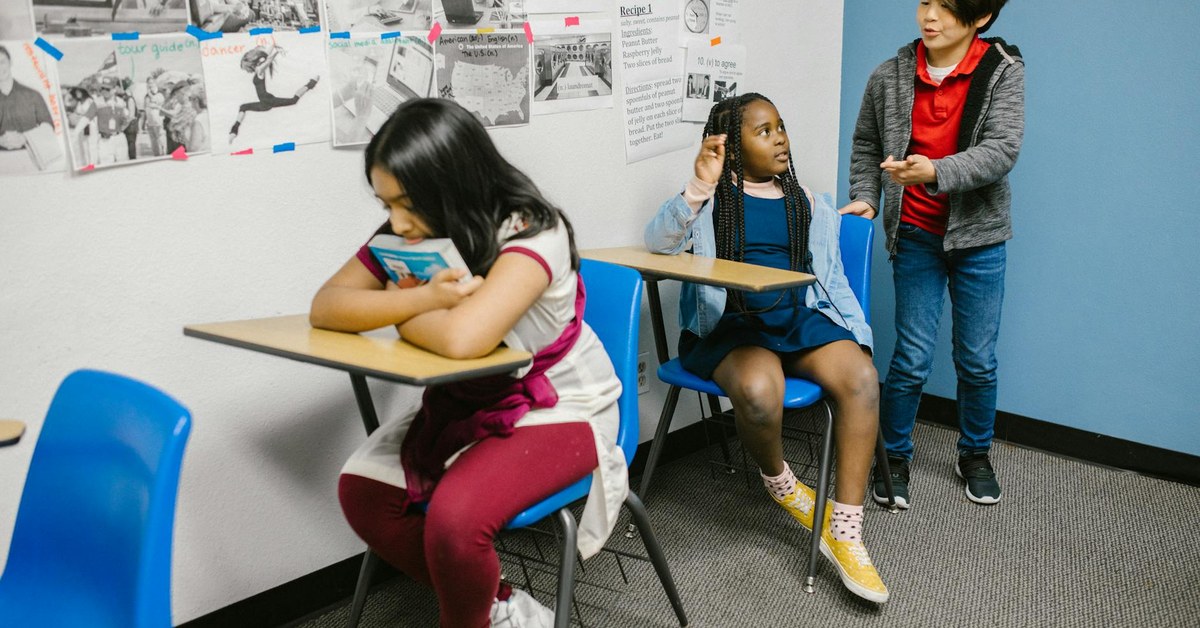

Being an Upstander: How Children Can Help When a Friend Is
“Most children who witness bullying want to help but do not know how. Teaching children the difference between a bystander and an upstander, and giving them practical tools to intervene safely, is one of the most powerful anti-bullying interventions available.”
Most Witnesses Want to Help but Do Not Know How
When bullying happens, most children who see it feel uncomfortable. Research consistently shows that the majority of bystanders to bullying feel sorry for the person being bullied and wish the bullying would stop. Yet in the majority of observed bullying incidents, bystanders do nothing. They stand by, look away, or sometimes even laugh along, even when they genuinely do not want the bullying to continue.
This gap between wanting to help and actually helping is not a moral failure. It is the result of not having the tools: not knowing what to say or do, feeling frightened of becoming the next target, worrying about social consequences, or simply freezing in the moment. Giving children those tools, before they need them, closes the gap.
An upstander is someone who sees something wrong and acts to make it better. Teaching children to be upstanders does not mean asking them to be heroes or to put themselves in danger. It means giving them a range of responses that they can choose between based on what feels safe and possible in the moment.
Why Bystanders Matter So Much
Bullying is profoundly affected by the response of those who witness it. Research shows that when bystanders intervene in some way, even briefly, bullying stops within ten seconds in over half of cases. When bystanders do nothing or laugh along, the bullying continues and often escalates.
The bystander's response communicates to the person doing the bullying what the social group approves of. A group that laughs signals approval. A group where someone speaks up signals that the behaviour is not acceptable to the group. This peer signal is often more powerful than adult intervention because it comes from the social world the person doing the bullying most cares about.
This means that teaching children to be upstanders is not just about helping the individual who is being bullied; it is about changing the social environment in which bullying either flourishes or does not. It is one of the most effective whole-school and whole-community anti-bullying approaches available.
What Upstanders Can Do: A Range of Options
Effective upstander education offers children a genuine range of options rather than a single prescribed response, because what is possible depends on the situation, the relationships involved, and how safe the child feels. Not every child can or should directly confront a bully, and requiring them to do so as the only acceptable response will result in most children doing nothing.
Speaking up directly: If it feels safe to do so, saying something clear and calm to the person doing the bullying. "That's not funny." "Leave them alone." "Stop it." These short, direct statements are more effective than longer arguments because they are hard to argue with and they signal clearly that the behaviour is not approved of. Practice these phrases at home so they feel natural rather than something to invent on the spot.
Supporting the target: Moving to stand near the person being bullied, including them in a conversation, or saying "come with me" to remove them from the situation shifts the social dynamics without requiring a direct confrontation. Even a small gesture of solidarity (a look, a smile, sitting next to someone who has been excluded) signals that they are not alone, which can significantly reduce the psychological impact of what is happening.
Refusing to participate: Not laughing, not joining in, not sharing a mean message, not adding fuel to the fire. This is a form of upstander behaviour that requires no confrontation but withdraws the social approval that bullying behaviour feeds on.
Getting adult help: Telling a teacher, a parent, or another trusted adult about what is happening. This is sometimes framed as "telling tales" and children need to understand why it is not: telling an adult about bullying is not the same as getting someone in trouble for a minor thing. It is seeking help for a serious situation that an adult has both the authority and the responsibility to address. Telling an adult can be done after the fact rather than in the middle of the incident, which removes some of the risk of being seen to report in the moment.
What to Say to Someone Who Has Been Bullied
Often the most valuable thing an upstander can do happens after the bullying incident rather than during it. Finding the person who was bullied, checking in with them, and offering support can make a significant difference to how they feel and to their willingness to seek further help.
Simple statements are most effective: "I saw what happened. Are you okay?" "That was horrible and it wasn't your fault." "Do you want to talk to a teacher about it? I'll come with you if that helps." These statements validate the person's experience, reduce isolation, and open a pathway to adult help without pressure.
What Adults Can Do to Grow Upstanders
Upstander behaviour does not emerge spontaneously; it is cultivated by the adult environment around children. Adults who model speaking up when they see something unfair, who acknowledge the difficulty and the courage it takes to intervene, and who ensure that children who report bullying are protected rather than labelled, create the conditions for upstander culture.
Recognise upstander behaviour explicitly when you see it. Talk about scenarios at home: "If you saw a friend being left out, what might you do?" Role-play responses to bullying situations so that the actions feel rehearsed rather than improvised. And make absolutely clear that telling an adult about bullying is never the wrong thing to do, regardless of how it is labelled by peers.