Beyond Fact-Checking: Teaching K-12 Students to Critically Evaluate Online Sources for Digital Citizenship
Equip K-12 students with advanced skills to critically evaluate online information and sources, fostering robust digital citizenship beyond basic fact-checking.
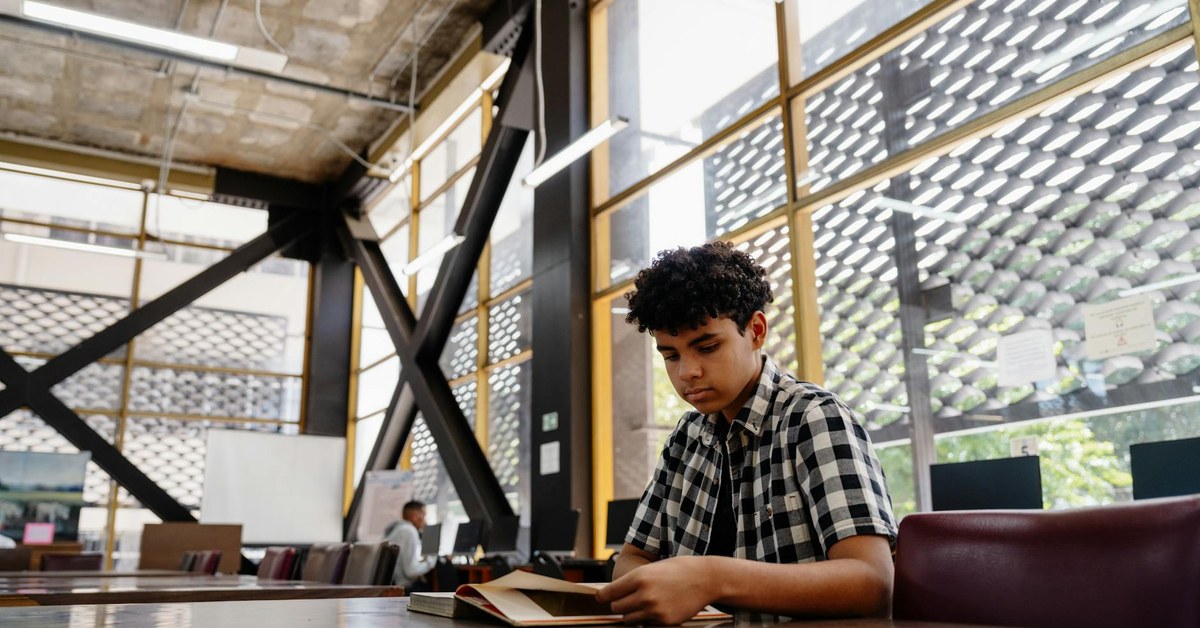

Beyond Fact-Checking: Teaching K-12 Students to Critically Evaluate Online Sources for Digital Citizenship
“Equip K-12 students with advanced skills to critically evaluate online information and sources, fostering robust digital citizenship beyond basic fact-checking.”
Navigating the vast and often complex digital landscape is a fundamental skill for young people today. While basic fact-checking is a crucial starting point, truly empowering children and adolescents requires moving beyond surface-level verification. This article explores advanced strategies for teaching K-12 students to critically evaluate online sources, fostering robust digital citizenship and equipping them to discern reliable information from misinformation and disinformation. Developing these critical thinking skills is not just about academic success; it is vital for their personal safety, civic engagement, and overall wellbeing in an interconnected world.
Why Critical Evaluation is Essential for Digital Citizenship
The digital environment presents an unprecedented volume of information, much of which lacks editorial oversight or factual basis. Misinformation, disinformation, and propaganda can spread rapidly, influencing opinions and behaviours, sometimes with serious consequences. According to a 2022 UNESCO report, only 16% of young people globally feel confident in identifying fake news, highlighting a significant gap in digital literacy skills. This challenge underscores the urgent need for a comprehensive approach to media literacy.
Beyond simply identifying false claims, critical evaluation skills empower students to: * Understand diverse perspectives: Recognising bias helps students appreciate different viewpoints without necessarily endorsing them. * Make informed decisions: Whether it is about health, civic issues, or personal purchases, reliable information underpins sound choices. * Protect themselves online: Discerning credible sources can help students avoid scams, phishing attempts, and harmful content. * Engage responsibly: Digital citizens contribute positively when their interactions are based on accurate understanding.
“Developing a critical eye for online content is no longer an optional extra; it is a core life skill,” states a leading education policy advisor. “Children and young people need to understand not just what they are seeing, but who created it, why, and how it might influence them.” Equipping students with these analytical tools helps them become active, discerning participants in the digital sphere, rather than passive consumers of information.
Foundational Skills: The CRAAP Test and Beyond
Many educators begin teaching K-12 students to critically evaluate online sources by introducing frameworks like the CRAAP test, which stands for Currency, Relevance, Authority, Accuracy, and Purpose. This mnemonic provides a useful checklist for initial source assessment:
- Currency: Is the information up-to-date for the topic?
- Relevance: Does it relate to the topic and meet the information needs?
- Authority: Who created the content? What are their qualifications?
- Accuracy: Is the information supported by evidence? Can it be verified?
- Purpose: Why was the information created? Is there a clear bias or agenda?
While the CRAAP test is an excellent starting point, particularly for middle school students (ages 11-14), it primarily focuses on evaluating the source itself. Modern digital landscapes demand a more dynamic approach. Students must learn to “read laterally,” meaning they investigate the context of the source by opening new browser tabs and researching the publisher, author, and claims, rather than just scrutinising the page in front of them. This shift from vertical (on-page) to lateral (cross-web) reading is crucial for advanced evaluation.
Key Takeaway: While frameworks like the CRAAP test offer valuable initial steps for evaluating online sources, true digital literacy requires students to move beyond on-page analysis and actively research the context and reputation of information creators through lateral reading.
Advanced Strategies for Deeper Analysis
Moving beyond basic fact-checking and initial source assessment, students need to develop sophisticated strategies for understanding the nuances of online information.
Lateral Reading and Cross-Verification
Lateral reading involves actively leaving the source page to research its credibility. Instead of spending minutes analysing a single article, students should ask: “What do other reputable sources say about this website, organisation, or author?”
Actionable Steps for Students (Ages 12+): 1. Open new tabs: When encountering an unfamiliar source, open new tabs to search for the organisation’s name, the author’s name, and any specific claims made. 2. Look for Wikipedia/news coverage: Check Wikipedia for the organisation’s history and reputation. Look for news articles about the organisation itself, particularly from established, independent media outlets. 3. Check for “About Us” pages: While these can be self-serving, they often provide clues about an organisation’s mission or affiliations. 4. Reverse image search: If an image seems suspicious, use a reverse image search tool to see where else it has appeared and in what context.
Analysing Bias and Perspective
All information is created from a perspective. Helping students recognise inherent biases—whether political, commercial, or cultural—is a vital aspect of critical evaluation.
Discussion Points with Students (Ages 10+): * Who benefits from this information? Consider financial, political, or social gains. * What information is missing? An absence of counter-arguments or alternative viewpoints can indicate bias. * Are strong emotional appeals being used? Content designed to evoke anger, fear, or excitement often aims to bypass rational thought. * What are the author’s or publisher’s known affiliations? Researching a source’s political or corporate ties can reveal potential biases.
Understanding Media Manipulation
The rise of sophisticated digital tools means students must be aware of how images, videos, and even audio can be altered or generated using artificial intelligence. This includes deepfakes, shallowfakes (edited videos), and AI-generated text or images.
Practical Exercises (Ages 14+): * Spotting anomalies: Teach students to look for inconsistencies in lighting, shadows, skin texture, or unnatural movements in videos. * AI detection tools: Introduce generic AI detection tools (though these are not foolproof) as a method of inquiry. * Context is key: Emphasise that even genuine images or videos can be used out of context to mislead.
Recognising Propaganda Techniques
Propaganda often uses specific rhetorical devices to persuade or manipulate. Teaching students to identify these techniques helps them resist undue influence.
Common Techniques to Discuss (Ages 10+): * Ad hominem attacks: Attacking the person rather than their argument. * Bandwagon effect: Suggesting “everyone else is doing it,” so you should too. * Glittering generalities: Using vague, positive words without providing evidence. * Transfer: Associating something with a respected person or idea to gain acceptance. * Fear appeals: Presenting a dreadful circumstance and proposing a solution.
Integrating Critical Evaluation into K-12 Learning
Effective teaching K-12 students to critically evaluate online sources requires a progressive, age-appropriate approach that integrates these skills across the curriculum and at home.
Age-Appropriate Instruction:
-
Primary School (Ages 5-10):
- Focus: Identifying trusted adults and familiar websites. Distinguishing between “real” and “pretend” online content.
- Activities: Discussing characters in stories, identifying advertisements, simple questions like “Who made this video?” and “Why did they make it?”. Use child-friendly search engines and curated educational content.
- Example: Comparing a reputable animal encyclopaedia website with a fun, but less factual, cartoon website about animals.
- [INTERNAL: Digital Safety for Young Children]
-
Middle School (Ages 11-14):
- Focus: Applying the CRAAP test, comparing information from multiple sources, understanding author’s purpose and basic bias.
- Activities: Debunking common myths, analysing news headlines for sensationalism, using search engines effectively to find diverse perspectives. Introduce the concept of “filter bubbles.”
- Example: Researching a historical event using both a mainstream news archive and a niche historical blog, then discussing differences in emphasis or tone.
-
Secondary School (Ages 15-18):
- Focus: Advanced lateral reading, deep analysis of bias (political, corporate, algorithmic), media manipulation detection, understanding the impact of algorithms and echo chambers.
- Activities: Analysing real-world examples of deepfakes or propaganda, researching the funding and editorial policies of various news organisations, debating ethical considerations of AI-generated content. Encourage students to explore privacy-focused browsers or reliable ad-blockers to understand how data is collected and used online.
- [INTERNAL: Understanding Online Privacy for Teenagers]
Practical Implementation:
- Model good behaviour: Parents and educators should demonstrate critical evaluation aloud when consuming media. “I wonder who wrote this article? Let’s check their background.”
- Encourage questioning: Foster an environment where students feel comfortable asking “why” and “how” about online content.
- Use real-world examples: Discuss current events and online trends, analysing them through a critical lens.
- Integrate into projects: Require students to cite and evaluate sources for research projects, explaining their choices.
- Collaborate: Schools, families, and community organisations can work together to reinforce these messages consistently.
What to Do Next
- Start Small, Build Gradually: Begin with age-appropriate discussions about trusted sources and simple questions for younger children, then progressively introduce more complex evaluation techniques as they mature.
- Practise Lateral Reading Together: For older children, sit down with them and model how to open new tabs and research a source’s credibility. Make it a joint detective exercise.
- Discuss Current Events Critically: Use news headlines or trending social media topics as opportunities to analyse bias, identify missing information, and question the motivations behind the content.
- Review Digital Footprints: Encourage students to consider the credibility of their own online contributions, understanding that they too become sources of information for others.
- Explore Digital Literacy Resources: Utilise free resources from reputable organisations like UNESCO, Common Sense Media, or the NSPCC that offer curricula and activities for various age groups.
Sources and Further Reading
- UNESCO. (2022). Youth and Media Literacy: Global Trends and Challenges. https://www.unesco.org/en/media-information-literacy/youth
- Common Sense Media. (Ongoing). Digital Citizenship Curriculum. https://www.commonsense.org/education/digital-citizenship
- NSPCC. (Ongoing). Online Safety for Children. https://www.nspcc.org.uk/keeping-children-safe/online-safety/
- Stanford History Education Group. (Ongoing). Civic Online Reasoning Curriculum. https://cor.stanford.edu/
- UNICEF. (Ongoing). Children and Digital Technologies. https://www.unicef.org/innovation/digital-technologies