Beyond the Mirror: Cultivating Inner Body Confidence When Your Body Doesn't Meet Your Own Ideal
Struggling with body confidence when your body doesn't match your own ideal? Learn strategies for self-acceptance, overcoming self-criticism, and cultivating lasting inner confidence.
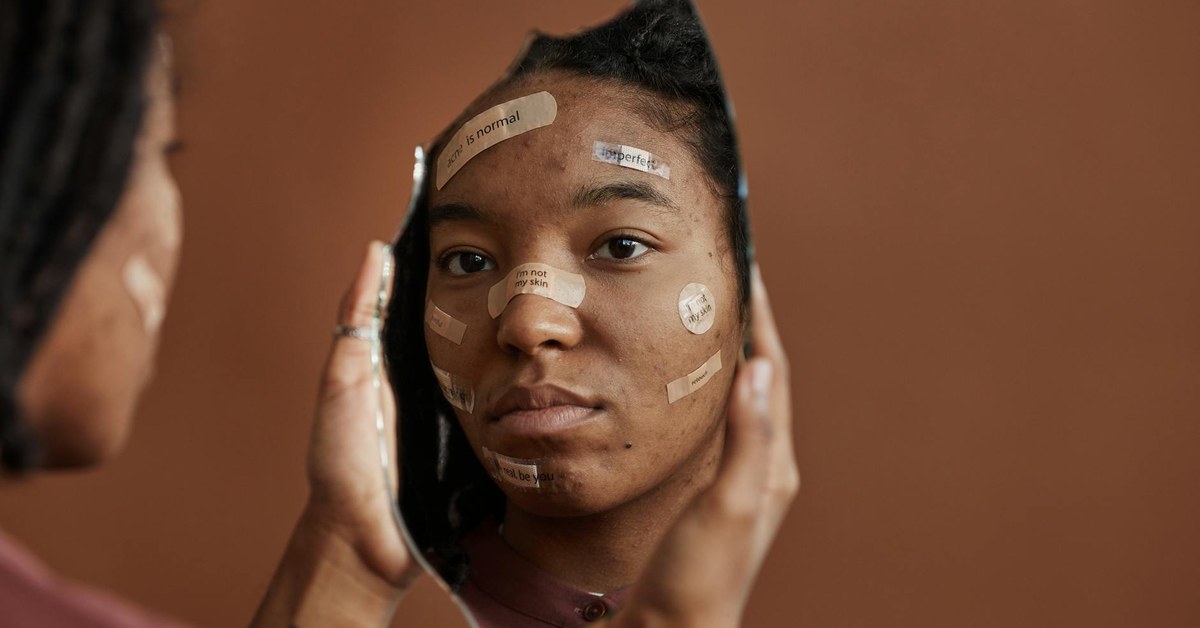

Beyond the Mirror: Cultivating Inner Body Confidence When Your Body Doesn't Meet Your Own Ideal
“Struggling with body confidence when your body doesn't match your own ideal? Learn strategies for self-acceptance, overcoming self-criticism, and cultivating lasting inner confidence.”
Many people experience a profound disconnect between how they believe their body should look and how it actually appears. This internal struggle can significantly impact self-esteem and overall well-being. Cultivating inner body confidence is not about achieving a specific physical ideal, but rather about developing a deep sense of self-acceptance and appreciation for your body, regardless of its shape, size, or appearance. This article explores why this gap between ideal and reality occurs and offers practical, evidence-informed strategies to bridge it, fostering a more positive and resilient relationship with your body.
Understanding the Gap: The Formation of Personal Body Ideals
Our personal body ideals, often deeply ingrained, seldom emerge in isolation. They are a complex tapestry woven from various threads: societal expectations, media portrayals, cultural norms, family influences, and even peer interactions. From a young age, we absorb messages about what constitutes an “attractive” or “healthy” body.
- Media and Social Media Influence: Constant exposure to curated images on television, film, magazines, and social media platforms sets often unrealistic standards. These images frequently depict highly specific body types, often achieved through filters, editing, and professional styling, creating a distorted reality. According to a 2021 report by the Mental Health Foundation, 1 in 5 adults in the UK felt shame about their body, with social media cited as a significant contributing factor.
- Cultural and Societal Norms: Different cultures and societies hold varying ideals of beauty and body shape, which can shift over time. These norms can exert immense pressure to conform, leading individuals to internalise these ideals as their own personal aspirations.
- Family and Peer Dynamics: Early experiences within family settings or peer groups can profoundly shape our body image. Comments, comparisons, or even unspoken attitudes about body size and appearance can influence how we perceive ourselves.
- Personal Experiences: Past experiences, such as bullying, health changes, or personal milestones like pregnancy, can also contribute to or challenge our body ideals and self-perception.
When our lived reality diverges from these internalised ideals, it can lead to feelings of inadequacy, frustration, and a persistent sense of not being “good enough.” Recognising the external origins of many of these ideals is the first step towards reclaiming your self-perception.
Key Takeaway: Personal body ideals are often shaped by external forces like media, culture, and social interactions, rather than being purely intrinsic. Understanding these influences helps to deconstruct their power over our self-perception.
The Psychological Impact of Body Ideal Discrepancy
The persistent gap between one’s personal body ideal and their reality can have significant psychological consequences. This discrepancy often fuels body image self-criticism, a harsh internal dialogue that erodes self-esteem and can contribute to various mental health challenges.
“A constant focus on perceived bodily flaws can lead to chronic stress, anxiety, and even symptoms of depression,” explains a leading body image specialist. “It diverts valuable mental energy away from meaningful pursuits and healthy self-care, trapping individuals in a cycle of dissatisfaction.”
Research by the World Health Organisation (WHO) highlights that negative body image is a significant public health concern globally, affecting people of all ages and genders. It is linked to:
- Low Self-Esteem: A feeling of unworthiness or inadequacy based on physical appearance.
- Anxiety and Depression: Persistent worry about appearance, social anxiety, and feelings of sadness or hopelessness.
- Disordered Eating Behaviours: Attempts to control body shape or weight through unhealthy means, which can escalate into eating disorders.
- Social Withdrawal: Avoiding social situations due to embarrassment or discomfort with one’s body.
- Reduced Quality of Life: Difficulty engaging fully in activities, relationships, and personal growth due to preoccupation with body image.
Overcoming personal body ideals begins with acknowledging this impact and committing to a journey of self-kindness and acceptance. It requires a deliberate shift from a critical, external focus to an internal appreciation of one’s inherent worth.
Strategies for Self-Acceptance and Overcoming Self-Criticism
Cultivating inner body confidence involves actively challenging negative thought patterns and consciously nurturing a more compassionate relationship with your body. Here are actionable strategies:
- Practise Self-Compassion: Treat yourself with the same kindness and understanding you would offer a close friend. When self-critical thoughts arise, acknowledge them without judgment and gently reframe them. Kristin Neff, a pioneer in self-compassion research, suggests phrases like, “This is a moment of suffering. Suffering is part of life. May I be kind to myself in this moment.” [INTERNAL: Read more about the benefits of self-compassion.]
- Challenge Negative Self-Talk: Become aware of your internal dialogue. When you notice critical thoughts about your body, question their validity and truthfulness. Ask yourself: “Is this thought helpful? Is it absolutely true? What evidence do I have for it?” Replace critical thoughts with neutral or positive affirmations focused on your body’s capabilities.
- Focus on Function Over Form: Shift your attention from how your body looks to what it does for you. Appreciate your legs for carrying you, your hands for creating, your lungs for breathing. This functional appreciation helps to detach self-worth from appearance.
- Curate Your Media Consumption: Actively choose what you expose yourself to. Unfollow social media accounts that trigger comparison or feelings of inadequacy. Seek out diverse representations of bodies and follow creators who promote body positivity, neutrality, and self-acceptance.
- Engage in Mindful Movement: Find forms of physical activity that you genuinely enjoy and that make your body feel good, rather than activities purely aimed at changing its appearance. This could be dancing, walking in nature, yoga, or swimming. Focus on the sensation of movement and the strength of your body.
- Build a Supportive Environment: Surround yourself with people who uplift you and foster a positive, accepting atmosphere. Limit interactions with those who promote body shaming or superficial ideals. Openly discuss your struggles with trusted friends or family members.
Cultivating Lasting Inner Body Confidence
Building genuine inner body confidence is a continuous process, not a destination. It involves consistent effort to reinforce positive self-perception and resilience.
- Practise Body Neutrality: If body positivity feels too challenging initially, aim for body neutrality. This means accepting your body without necessarily loving every aspect of it. It’s about respecting your body for its existence and function, without judgment. This can be a powerful stepping stone towards greater acceptance.
- Identify Your Values Beyond Appearance: Reflect on what truly matters to you in life – your character, skills, relationships, contributions to the world. When you recognise that your worth extends far beyond your physical appearance, the pressure to conform to an ideal diminishes.
- Journaling for Self-Reflection: Regularly writing down your thoughts and feelings can help you identify patterns in your self-criticism and track your progress in challenging them. Use journaling to celebrate your body’s strengths and acknowledge moments of self-compassion.
- Seek Professional Support: If negative body image significantly impacts your daily life, mood, or leads to disordered eating behaviours, consider seeking help from a mental health professional. Therapists specialising in body image, cognitive behavioural therapy (CBT), or acceptance and commitment therapy (ACT) can provide tailored strategies and support. Organisations like the National Eating Disorder Association (NEDA) or local mental health charities can offer resources and referrals. [INTERNAL: Find out more about professional support for body image concerns.]
- Engage in Self-Care Rituals: Prioritise activities that nourish your body and mind, such as getting adequate sleep, eating balanced meals, spending time in nature, or enjoying hobbies. These acts of care reinforce the message that your body is worthy of attention and respect.
What to Do Next
- Start a Self-Compassion Practice: Begin by dedicating five minutes each day to a simple self-compassion exercise, such as a guided meditation or writing a compassionate letter to yourself.
- Conduct a Social Media Audit: Review your social media feeds. Unfollow or mute accounts that make you feel inadequate and seek out diverse, body-positive voices to follow instead.
- List Your Body’s Functions: Take time to write down at least five things your body allows you to do each day, focusing on abilities rather than appearance (e.g., “my legs allow me to walk to the park,” “my hands help me cook”).
- Identify a Support Person: Choose a trusted friend, family member, or mental health professional you can confide in about your body image journey.
- Explore Mindful Movement: Try one new form of physical activity this week that focuses on enjoyment and how your body feels, rather than calorie burning or appearance change.
Sources and Further Reading
- Mental Health Foundation. (2021). Body Image Report. www.mentalhealth.org.uk/explore-mental-health/a-z-topics/body-image
- World Health Organisation. (Ongoing). Mental Health and Substance Use: Body image. www.who.int/health-topics/mental-health
- Neff, K. (Ongoing). Self-Compassion: The Proven Power of Being Kind to Yourself. self-compassion.org
- National Eating Disorder Association (NEDA). www.nationaleatingdisorders.org