Beyond the Pool: Uncovering Hidden Water Dangers & Ensuring Home Safety
Discover overlooked water hazards beyond the pool. Learn to secure bathtubs, toilets, buckets & more for comprehensive home water safety. Prevent accidents now!
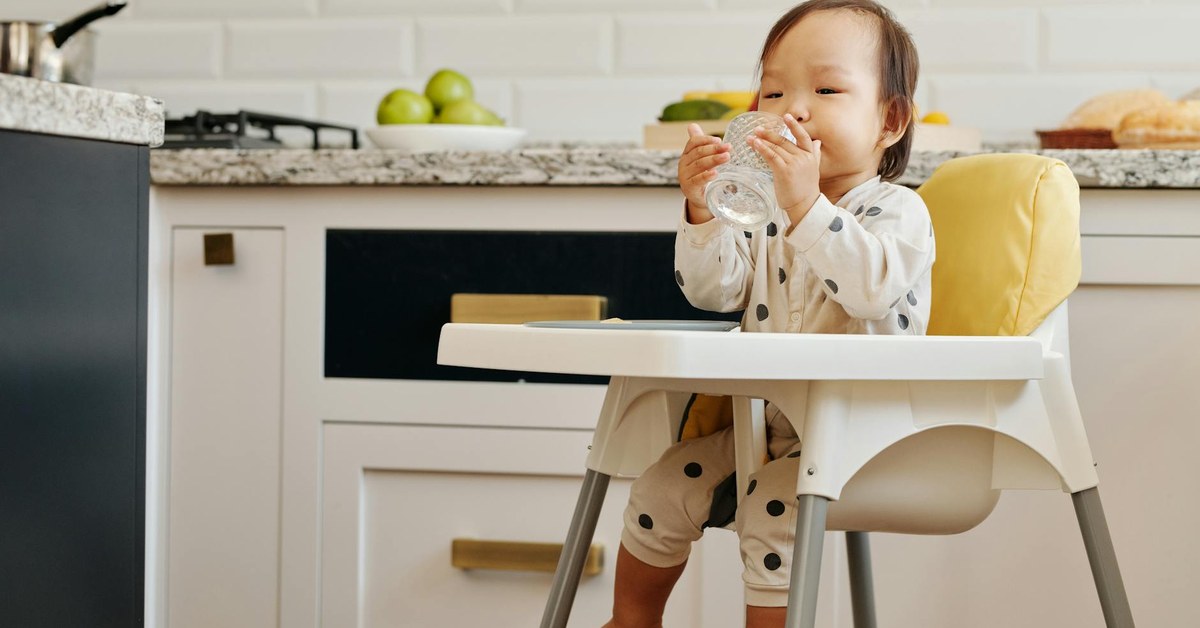

Beyond the Pool: Uncovering Hidden Water Dangers & Ensuring Home Safety
“Discover overlooked water hazards beyond the pool. Learn to secure bathtubs, toilets, buckets & more for comprehensive home water safety. Prevent accidents now!”
While pools and open water bodies are widely recognised as significant drowning risks, many families overlook the hidden home water dangers that exist within their own living spaces. A child can drown in as little as a few centimetres of water, often silently and incredibly quickly. Understanding these less obvious hazards is crucial for creating a truly safe environment for infants, toddlers, and young children, preventing tragic accidents before they occur.
The Deceptive Nature of Small Amounts of Water
The perception that drowning only happens in deep water is a dangerous misconception. For a young child, particularly those under five years old, even a small amount of liquid can pose a fatal risk. Their heads are proportionally heavier than their bodies, making it difficult for them to lift themselves if they fall headfirst into water. Their underdeveloped motor skills mean they cannot always self-rescue, even in shallow depths.
According to the World Health Organisation (WHO), drowning is the third leading cause of unintentional injury death worldwide, accounting for 7% of all injury-related deaths. Children aged 1-4 years and 5-9 years are among the highest-risk groups. Many of these incidents occur in domestic settings, far from swimming pools or beaches.
Key Takeaway: Drowning can occur silently and rapidly in just a few centimetres of water. Children under five are especially vulnerable due to their physical development and inability to self-rescue.
A paediatric safety specialist notes, “Parents often focus on obvious risks like swimming pools, but the reality is that many devastating drowning incidents happen in everyday household items. Active supervision and hazard identification are paramount.”
Bathroom Hazards: Beyond the Bathtub
The bathroom, a seemingly innocuous space, harbours numerous hidden home water dangers. While bathtubs are the most apparent risk, other fixtures also demand attention.
Bathtub Drowning Prevention
Bathtubs are a primary location for infant and toddler drownings. Even when using bath seats or rings, active, constant supervision is non-negotiable. These aids are designed to support a child, not to prevent drowning.
Practical Steps for Bathtub Safety:
- Never Leave Unattended: If the doorbell rings or the phone vibrates, wrap your child in a towel and take them with you. Never leave them alone, even for a second.
- Drain Immediately: Always drain the bathtub as soon as bath time is over. Do not leave water standing.
- Temperature Checks: Test water temperature with your elbow or a thermometer to prevent scalding. The ideal temperature is around 37-38 degrees Celsius.
- Bath Seats and Rings: If used, ensure they are securely suctioned and never rely on them as a substitute for supervision. Remove them from the tub when not in use to avoid accidental entrapment.
- Non-Slip Mats: Use a non-slip mat in and outside the tub to prevent slips and falls.
- Close the Door: Keep the bathroom door closed and, if possible, latched, to prevent unsupervised access by curious children.
Toilet Water Safety for Toddlers
Toilets, with their inviting pool of water, present a significant risk for toddlers. A child can easily fall headfirst into a toilet bowl and become trapped, unable to lift themselves out.
Mitigating Toilet Risks:
- Toilet Lid Locks: Install child-resistant locks on all toilet lids. These are inexpensive and highly effective.
- Keep Lids Down: Always keep toilet lids closed.
- Close Bathroom Door: Reinforce the habit of closing the bathroom door.
Sinks and Other Bathroom Fixtures
Running taps in sinks can quickly fill, creating a hazard. Similarly, overflowing sinks can lead to slips and falls.
Addressing Sink Hazards:
- Supervise Handwashing: Always supervise young children when they are washing their hands or playing near a sink.
- Secure Cabinets: Keep cleaning products and other dangerous items stored in securely locked cabinets, ideally high up and out of reach.
- Hot Water Taps: Consider installing anti-scald devices on taps or setting your water heater temperature to no higher than 49 degrees Celsius (120 degrees Fahrenheit) to prevent burns.
Kitchen and Utility Room Risks
These areas, often bustling with activity, also conceal hidden home water dangers.
Bucket Drowning Risks
One of the most insidious risks comes from buckets, mops, and cleaning pails. A bucket containing even a small amount of water (10-15 cm) can be a drowning hazard for a toddler.
Preventing Bucket Accidents:
- Empty Immediately: Always empty buckets, cleaning pails, and mop buckets immediately after use.
- Store Inverted: Store empty buckets upside down or out of reach, in a locked cupboard.
- Supervise Cleaning: If you are cleaning, keep your child with you or in a safe, enclosed area away from the cleaning supplies.
Pet Water Bowls
While seemingly harmless, large pet water bowls can also pose a risk to very young infants, particularly those who are just learning to crawl or are unsteady on their feet.
Pet Bowl Safety:
- Smaller Bowls: Use smaller, shallower pet bowls if you have a crawling infant.
- Supervise: Ensure infants are supervised when around pet bowls.
- Location: Place pet bowls in an area where infants cannot easily access them unsupervised.
Washing Machines and Dishwashers
While not traditional drowning hazards, these appliances can contain residual water and present other dangers like entrapment or exposure to cleaning agents.
Appliance Safety:
- Child Locks: Use child locks on washing machine and dishwasher doors.
- Keep Closed: Always keep appliance doors closed when not in use.
- Supervise Loading/Unloading: Supervise children when these appliances are being loaded or unloaded.
Outdoor and Garden Dangers
The garden, a place for play and relaxation, can unfortunately conceal numerous water hazards. Understanding these is key to comprehensive home water hazard identification.
Ponds and Water Features
Ornamental ponds, fountains, and other garden water features are attractive but deadly for young children.
Securing Water Features:
- Fencing: Install a robust, self-closing, self-latching fence around any pond or water feature. The fence should be at least 1.2 metres (4 feet) high and have vertical slats no more than 10 cm (4 inches) apart.
- Grates: For smaller features, consider placing a strong, child-proof grate over the water.
- Empty When Not in Use: If possible, consider emptying decorative water features when children are present or if they are rarely used.
Paddling Pools and Inflatable Pools
These temporary water sources are a common sight in many gardens during warmer months, but they require the same vigilance as a full-sized swimming pool.
Paddling Pool Safety:
- Constant Supervision: Never leave a child unattended in or near a paddling pool, even for a moment.
- Empty and Store: Empty the paddling pool immediately after use. Invert it or store it upright to prevent rainwater collection.
- Secure Storage: Store paddling pools and accessories out of reach when not in use.
Rain Barrels and Water Butts
These eco-friendly solutions for collecting rainwater are often overlooked as potential drowning hazards. They typically have wide openings and can collect a significant amount of water.
Rain Barrel Safety:
- Secure Lids: Ensure all rain barrels and water butts have tightly fitting, child-proof lids. If the lid is removable, secure it with a lock or heavy-duty straps.
- Fencing: If practical, fence off the area where rain barrels are located.
- Elevate: Place barrels on a raised platform if possible, making them harder for small children to access.
Unattended Containers
Any container that can collect water, such as watering cans, pet bowls left outside, rubbish bins, or even children’s outdoor toys, can become a hazard.
Container Vigilance:
- Empty Regularly: Empty all outdoor containers that can collect water, especially after rain.
- Store Inverted: Store watering cans, empty buckets, and other containers upside down or in a secure shed.
- Check Play Areas: Regularly check children’s play areas for any items that might have collected water.
Seasonal and Temporary Water Risks
Certain times of the year or specific situations can introduce temporary water hazards that might not be present year-round.
Christmas Tree Stands
During the festive season, the water reservoir in a Christmas tree stand can pose a risk to crawling infants or curious toddlers.
Christmas Tree Stand Safety:
- Secure Area: If possible, place the Christmas tree in a room that can be closed off, or use a baby gate to block access.
- Cover: Consider covering the water reservoir with a tree skirt or a securely fitted guard that prevents access.
- Supervise: Always supervise infants and toddlers when they are near the Christmas tree.
Cool Boxes and Ice Buckets
During parties or picnics, cool boxes and ice buckets filled with melting ice or water can present a similar, albeit temporary, risk.
Event Safety:
- Location: Place cool boxes and ice buckets in an area inaccessible to young children.
- Empty Promptly: Empty them as soon as the event is over.
- Supervise: Ensure active supervision of children around these items.
Inflatable Play Centres
Many modern inflatable play centres include small water features, splash pools, or ball pits that can collect water.
Play Centre Awareness:
- Read Instructions: Always follow manufacturer guidelines for set-up and supervision.
- Constant Supervision: Treat any water-filled section as a potential drowning hazard requiring constant, active supervision.
- Drain After Use: Drain all water completely after use and store the inflatable appropriately.
Supervision: The Ultimate Safety Net
While childproofing and hazard removal are essential, nothing replaces active, constant supervision. This is especially true for water safety.
Active vs. Passive Supervision
- Passive Supervision: Being in the same room but distracted by a phone, book, or conversation. This is not sufficient for water safety.
- Active Supervision: Remaining within arm’s reach of a child, giving them your undivided attention, and being ready to intervene instantly.
“A designated ‘water watcher’ should always be appointed when children are near any water source, even a shallow paddling pool,” advises a child safety advocate. “This person’s sole responsibility is to watch the children without distraction.”
Age-Specific Guidance
- Infants (0-12 months): Bathtubs, toilets, and even large pet bowls are significant risks. Active, arm’s length supervision is critical during bath time.
- Toddlers (1-3 years): Highly mobile and curious, toddlers are at high risk from buckets, toilets, ponds, and paddling pools. They explore by leaning over, making them prone to falling headfirst. Toilet lid locks, emptying buckets, and secure fencing are vital.
- Preschoolers (3-5 years): While more coordinated, they still lack the judgment and strength to self-rescue. They can be drawn to water features and unattended containers. Continue active supervision and reinforce water safety rules.
Emergency Preparedness
Knowing how to respond in an emergency can make a life-saving difference.
Learn CPR
Enrol in a paediatric first aid and CPR course. This knowledge is invaluable not just for water-related incidents but for all child-related emergencies. Organisations like the Red Cross or St John Ambulance offer these courses globally.
Keep Emergency Contacts Handy
Have a clearly visible list of emergency numbers, including local emergency services, poison control, and your child’s doctor. Ensure mobile phones are charged and accessible.
HomeSafe’s Water Safety Checklist
Regularly conduct a thorough check of your home for potential water hazards. Involve older children in identifying risks to foster their own safety awareness. This proactive approach is a cornerstone of [INTERNAL: comprehensive home safety strategies].
What to Do Next
- Conduct a Home Water Hazard Audit: Walk through every room and your garden, identifying all potential water hazards, no matter how small. Make a list of items that need securing, emptying, or removing.
- Implement Immediate Safety Measures: Install toilet lid locks, empty all buckets and containers, secure rain barrel lids, and fence off any ponds or water features. Store cleaning products safely.
- Establish Supervision Protocols: Designate a ‘water watcher’ whenever children are near any water. Practise active, arm’s length supervision and never leave a child unattended around water.
- Enrol in First Aid & CPR Training: Sign up for a paediatric first aid and CPR course. Knowing how to respond in an emergency is critical for all parents and caregivers.
- Educate Family Members and Caregivers: Share this information with anyone who cares for your child, including grandparents, babysitters, and other relatives, ensuring everyone understands the risks and safety protocols.
Sources and Further Reading
- World Health Organisation (WHO) - Drowning Prevention: https://www.who.int/news-room/fact-sheets/detail/drowning
- UNICEF - Child Drowning Prevention: https://www.unicef.org/ (Search for “drowning prevention”)
- Royal Society for the Prevention of Accidents (RoSPA) - Water Safety: https://www.rospa.com/ (Search for “water safety at home”)
- NSPCC (National Society for the Prevention of Cruelty to Children) - Home Safety: https://www.nspcc.org.uk/ (Search for “home safety for children”)
- The Red Cross - First Aid & CPR Training: https://www.redcross.org.uk/ (or your local Red Cross/Red Crescent society)