Beyond the Scars: Cultivating Body Confidence After Life-Altering Surgery or Illness
Coping with body image changes after surgery or chronic illness? Discover strategies to cultivate self-compassion, acceptance, and renewed confidence.
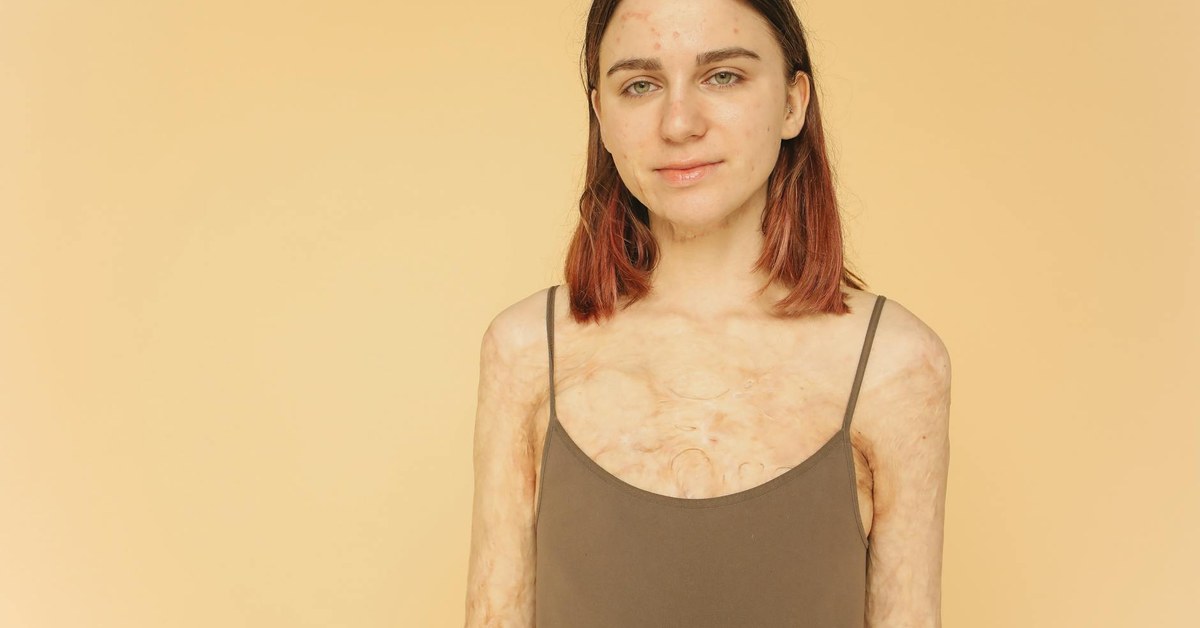

Beyond the Scars: Cultivating Body Confidence After Life-Altering Surgery or Illness
“Coping with body image changes after surgery or chronic illness? Discover strategies to cultivate self-compassion, acceptance, and renewed confidence.”
Life-altering surgery, chronic illness, or significant medical treatments can profoundly impact an individual’s physical appearance and, consequently, their sense of self. Navigating these changes and rebuilding body confidence after illness or medical intervention is a deeply personal journey, often requiring immense emotional resilience. It involves more than just physical healing; it demands a psychological and emotional adjustment to a new body image. This article explores practical strategies and empathetic approaches to help individuals, and their families, cultivate self-compassion, acceptance, and a renewed sense of confidence.
Understanding the Emotional Landscape of Body Changes
The journey through illness or surgery often leaves visible and invisible marks. Scars, limb loss, changes in skin texture, weight fluctuations, hair loss, or the presence of medical devices can significantly alter one’s physical presentation. These changes are not merely cosmetic; they can trigger a complex range of emotions, including grief, anger, anxiety, shame, and a sense of loss.
“It is entirely normal to mourn the body you once knew,” explains a leading psychologist specialising in trauma recovery. “This grief is a valid part of the healing process and acknowledging it is the first step towards acceptance.” According to a 2023 report by the World Health Organisation (WHO), body image dissatisfaction is a significant concern for up to 60% of individuals recovering from major surgery or chronic illness, impacting their mental well-being and social engagement.
Recognising these feelings without judgment is crucial. Many individuals report feeling isolated, believing their concerns are trivial compared to surviving a life-threatening condition. However, emotional well-being is integral to overall recovery. Suppressing feelings can hinder the healing process and prolong distress. Openly discussing these emotions with trusted friends, family, or healthcare professionals creates a supportive environment for recovery.
Key Takeaway: Grieving the body’s previous form is a natural and valid part of the healing process after illness or surgery. Acknowledging these complex emotions is vital for mental well-being and the journey towards acceptance.
Practical Strategies for Rebuilding Body Confidence
Rebuilding body confidence is an active process that requires patience and deliberate effort. Here are several actionable strategies:
- Practice Self-Compassion: Treat yourself with the same kindness and understanding you would offer a friend. This involves recognising your suffering, understanding that imperfections are part of the human experience, and being gentle with yourself as you heal. Mindfulness exercises, such as guided meditations focusing on self-kindness, can be particularly helpful.
- Focus on Function Over Form: Shift your attention from what your body looks like to what it can do. Celebrate small victories in recovery, such as regaining strength, walking further, or performing daily tasks. This perspective helps reconnect you with your body’s capabilities rather than its altered appearance.
- Engage in Positive Affirmations: Regularly use affirmations that promote self-acceptance and appreciation. Examples include: “My body is strong and resilient,” “I am grateful for my body’s ability to heal,” or “My worth is not defined by my appearance.”
- Connect with Support Networks: Joining support groups, either online or in person, can provide invaluable peer support. Sharing experiences with others who understand your journey can reduce feelings of isolation and offer practical coping strategies. Organisations like the Red Cross often facilitate community support programmes for various health conditions.
- Seek Professional Support: A therapist or counsellor specialising in body image, trauma, or chronic illness can provide tools and techniques to process your emotions and develop healthy coping mechanisms. Cognitive Behavioural Therapy (CBT) or Acceptance and Commitment Therapy (ACT) are often effective in these situations.
- Dress for Comfort and Confidence: Choose clothing that makes you feel comfortable and good about yourself. This might mean adapting your wardrobe to accommodate new physical needs or simply selecting styles and colours that uplift your mood. Experimenting with accessories can also draw attention to features you appreciate.
- Engage in Gentle Movement: If medically cleared, gentle physical activity can enhance mood, improve physical function, and foster a more positive connection with your body. Activities like walking, swimming, yoga, or stretching can be beneficial.
- Educate Yourself: Understanding your condition and its impact can demystify changes and reduce anxiety. Knowledge empowers you to advocate for yourself and participate actively in your recovery.
Next Steps: Begin by choosing one or two strategies from this list that resonate with you and commit to practising them consistently for a week.
Navigating Social Interactions and External Perceptions
Returning to social life after significant body changes can be daunting. Concerns about how others will react, what questions they might ask, or how they will perceive you are common.
- Prepare Your Responses: Decide beforehand how you will address questions or comments about your appearance or condition. You might choose to be open and educational, or you might prefer to keep explanations brief and redirect the conversation. For example, “Yes, I had surgery, and I’m recovering well. How have you been?”
- Set Boundaries: You are not obligated to share every detail of your medical journey with everyone. It is acceptable to say, “I appreciate your concern, but I’m not comfortable discussing that right now,” or “I prefer to keep my medical details private.”
- Surround Yourself with Supportive People: Spend time with individuals who recognise your worth beyond your physical appearance. True friends and family will focus on your character, resilience, and spirit.
- Challenge Internalised Stigma: Society often places immense value on physical perfection. Actively challenge these external pressures and internalised beliefs. Remember that your value as a person is inherent and immutable, regardless of physical changes.
Next Steps: Identify one person in your life with whom you feel safe and practice a prepared response to potential questions about your body changes.
Supporting Children and Young People Through Medical Body Changes
Children and young people are particularly vulnerable to body image issues, and medical changes can amplify these challenges. Their developing sense of self is closely tied to physical appearance and peer acceptance.
For Children (Ages 5-10): * Open and Honest Communication: Use age-appropriate language to explain changes. For example, “Your body is working hard to get better, and sometimes that means it looks a bit different now, like your scar is a sign of how brave you’ve been.” * Focus on Strengths and Abilities: Emphasise what their body can do, rather than what it looks like. Celebrate their energy, creativity, and resilience. * Encourage Play and Expression: Art, storytelling, and imaginative play can help children process their feelings about their body. * Normalise Differences: Read books or watch shows that feature characters with diverse bodies and abilities. This helps children recognise that bodies come in many forms. * “Children are incredibly perceptive,” notes a paediatric healthcare professional. “They pick up on adult anxieties. Model acceptance and a positive attitude towards their body, and they are more likely to adopt it themselves.”
For Adolescents (Ages 11-18): * Validate Their Feelings: Teenagers are highly sensitive to body image. Acknowledge their distress without dismissing it. “It’s understandable to feel upset about these changes.” * Provide Privacy and Choice: Offer them choices where possible, such as what clothes to wear or how to talk about their condition with friends. Respect their need for privacy. * Connect with Peer Support: Encourage them to connect with other young people who have faced similar challenges. Organisations like UNICEF and NSPCC highlight the importance of peer support for young people facing health challenges. * Professional Counselling: If a teenager is struggling significantly, professional counselling can provide a safe space to explore their feelings and develop coping strategies. * Educate Friends and Teachers: With their consent, help them educate close friends or school staff about their condition and any necessary accommodations.
Next Steps: If you are supporting a child or teenager, find an age-appropriate resource (e.g., a book, a support group, a counsellor) to introduce to them this week.
Long-Term Well-being: Sustaining Body Acceptance
Cultivating body confidence after illness or surgery is not a one-time fix but an ongoing practice. There will be good days and challenging days.
- Regular Self-Check-ins: Periodically assess your feelings about your body. If you notice a decline in confidence, revisit the strategies outlined above.
- Celebrate Progress, Not Perfection: Recognise how far you have come in your physical and emotional recovery. Focus on progress rather than striving for an unattainable ideal.
- Engage in Meaningful Activities: Pursue hobbies, interests, and relationships that bring you joy and a sense of purpose. These activities reinforce your identity beyond your physical form.
- Advocate for Inclusivity: Support organisations and initiatives that promote body diversity and challenge unrealistic beauty standards. This external advocacy can reinforce your internal journey of acceptance.
Ultimately, cultivating body confidence after illness is about rediscovering and embracing your whole self, recognising your resilience, and honouring the journey your body has undertaken. It is a testament to your strength and courage.
What to Do Next
- Start a Self-Compassion Journal: Dedicate 10 minutes each day to writing down three things you appreciate about your body or three kind thoughts you have had towards yourself.
- Identify a Support Resource: Research local or online support groups relevant to your condition or body image challenges, or find a therapist specialising in medical trauma.
- Plan a ‘Feel-Good’ Activity: Engage in a gentle physical activity or social interaction that makes you feel comfortable and confident, focusing on the joy of the experience rather than appearance.
- Educate One Person: Choose a trusted individual and, if you feel ready, share a small part of your journey with them, perhaps explaining how they can best support you.
Sources and Further Reading
- World Health Organisation (WHO): www.who.int
- The Red Cross: www.redcross.org
- Mind (The Mental Health Charity): www.mind.org.uk
- UNICEF: www.unicef.org
- NSPCC (National Society for the Prevention of Cruelty to Children): www.nspcc.org.uk
- Macmillan Cancer Support: www.macmillan.org.uk (offers extensive resources on body image after cancer treatment)