Body Image and Social Media Filters
Social media filters and edited images are affecting how teenagers see themselves. This guide examines the research on filters and body image, helps parents understand what teenagers are experiencing, and offers practical ways to support a healthier perspective.
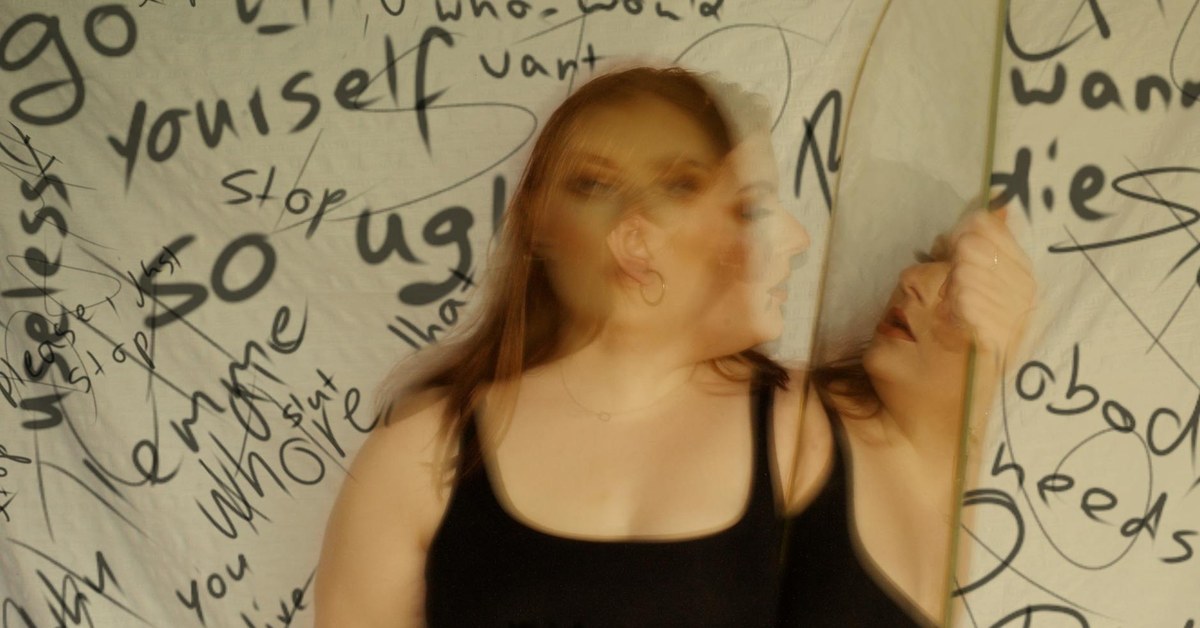

Body Image and Social Media Filters
“Social media filters and edited images are affecting how teenagers see themselves. This guide examines the research on filters and body image, helps parents understand what teenagers are experiencing, and offers practical ways to support a healthier perspective.”
The Filtered Reality of Social Media
Social media platforms are saturated with images that bear an increasingly uncertain relationship to reality. Filters, editing apps, and AI-enhanced tools allow anyone to slim faces, smooth skin, enlarge eyes, reshape bodies, and apply any number of alterations that were previously available only to professional photographers and their subjects. Teenagers are growing up in an environment where the visual standard against which they measure themselves is routinely and invisibly manipulated.
This is not a new observation, but the scale and normalisation have increased significantly. Filters are now built directly into the interfaces of platforms teenagers use every day. Applying a beauty filter before sharing a selfie has become as routine as choosing a photo frame once was. The result is that the images teenagers see of their peers, their favourite creators, and themselves are filtered as a default rather than an exception.
What the Research Shows
The relationship between social media use, edited images, and body dissatisfaction in young people is one of the more robustly researched areas in adolescent mental health. Some key findings:
Experimental studies consistently find that exposure to idealised or digitally altered images of bodies leads to increased body dissatisfaction in both male and female participants, often within a single session of exposure. The effect is dose-responsive: more exposure produces more dissatisfaction.
Girls and young women are disproportionately affected, but body dissatisfaction is a significant issue for boys and young men as well. The specific ideals differ (extreme thinness versus extreme muscularity are the dominant poles), but the mechanism is the same: repeated exposure to unattainable images produces a sense of inadequacy.
The comparison is made more powerful by the social context of social media. These are not abstract fashion images from a magazine; they are images of peers, people the teenager actually knows or follows, engaged in real social situations. The implied message is not just that these bodies exist, but that these bodies are normal and accessible.
Filter Dysmorphia
A more recent and specific concern is the phenomenon sometimes called filter dysmorphia: a growing clinical presentation in which young people come to cosmetic practitioners requesting procedures to make them look like their filtered selfies. The filtered image becomes the reference point for how they believe they should or could look, and the unfiltered reality becomes the problem to be fixed rather than the authentic standard.
This phenomenon, while affecting a minority of young people, represents the extreme end of a spectrum that affects many more. The milder version, feeling generally dissatisfied with your appearance when you compare your unfiltered face to your filtered images or to other people's filtered images, is considerably more widespread.
Different Platforms, Different Dynamics
Not all social media platforms present the same risks. Platforms that are heavily image and video-based, and that include beauty filters as standard features, present higher risks than text-heavy platforms. Instagram, TikTok, and Snapchat are the platforms most frequently associated with appearance-related concerns in research on teenagers.
Beauty filter use appears to be self-reinforcing: teenagers who use filters frequently report feeling less comfortable with their unfiltered appearance over time, which leads to greater filter use, which further entrenches the gap between filtered self-image and unfiltered reality.
Accounts focused on fitness, lifestyle, and beauty present particular risks through the specific type of content they provide. Following large numbers of highly edited bodies creates a biased social comparison environment where the visual norm is defined by outliers rather than reality.
What Parents Can Do
The most useful thing parents can do is open a genuine, curious, non-judgmental dialogue about the visual world their teenager inhabits online. Questions like what filters do you use, do you think people look like their photos in real life, and how do you feel after you have spent time looking at Instagram create space for conversation without implying criticism.
Media literacy is a valuable protective factor. Young people who understand that virtually all images they see on social media have been filtered, edited, or algorithmically enhanced are better positioned to maintain perspective on what they are comparing themselves to. Pointing out specific examples of the difference between filtered and unfiltered images, and exploring how filters work, demystifies the technology in ways that are protective.
Modelling your own relationship with your appearance and with social media images matters. Parents who talk negatively about their own bodies, or who express admiration primarily based on appearance, influence their children's relationship with appearance regardless of what they explicitly say about body positivity.
Limiting the amount of time spent passively scrolling through heavily filtered content is a practical protective measure. Research distinguishes between passive consumption (scrolling, watching) and active engagement, and it is the passive consumption of idealised images that shows the strongest associations with body dissatisfaction.
What Teenagers Can Do
Curating your social media environment is one of the most practical things teenagers can do. Who you follow determines what your visual norm looks like. Following accounts that represent a wider range of body types, that show unfiltered content, or that explicitly address the reality behind social media images shifts the comparison pool in a more realistic direction.
Noticing how you feel after time spent on specific apps or looking at specific types of content gives you real information. If you consistently feel worse about your appearance after spending time on a particular platform or following particular accounts, that is worth acting on.
Taking breaks from image-heavy social media is well-supported by research as a short-term intervention that reliably improves body satisfaction. Even a week-long break produces measurable improvements in mood and self-image for many teenagers.
When to Seek Support
Body dissatisfaction that is severe, persistent, and interfering with daily life, relationships, or eating behaviour is a clinical concern that deserves professional attention. Disordered eating, which is closely associated with body image issues, is a serious mental health condition. If a teenager is restricting food, expressing intense and distressing preoccupation with specific body features, or showing signs of depression or anxiety linked to their appearance, speaking to a healthcare professional is the right step.
Conclusion
The filtered visual world of social media presents genuine challenges for adolescent body image. The research is consistent: regular exposure to edited, idealised images increases body dissatisfaction. The protective factors, media literacy, curated social media environments, open family dialogue, and real-world relationships that do not centre on appearance, are accessible and genuinely effective. The goal is not to eliminate all social media use but to ensure young people have the tools to navigate it without its worst effects.