Body Image and Young Adults
Poor body image affects young adults of all genders and is linked to serious mental health difficulties. Understanding the influences that shape how you see yourself, and building a more compassionate relationship with your body, is genuinely possible.
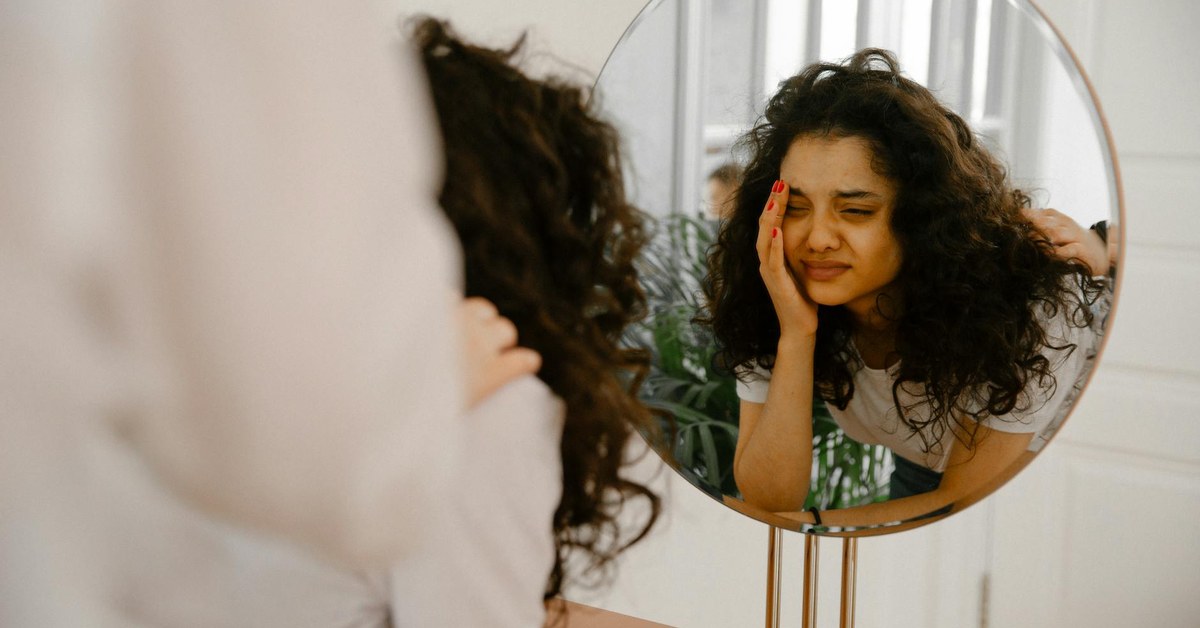

Body Image and Young Adults
“Poor body image affects young adults of all genders and is linked to serious mental health difficulties. Understanding the influences that shape how you see yourself, and building a more compassionate relationship with your body, is genuinely possible.”
What Body Image Is and Why It Matters
Body image refers to how you see, feel about, and think about your own body. It is not a fixed or purely objective perception but a complex psychological construct influenced by personal experiences, cultural messages, social comparisons, media, and the feedback you receive from others. Negative body image, a persistent dissatisfaction or distress related to your appearance, is associated with significantly worse mental health outcomes including depression, anxiety, eating disorders, and reduced quality of life. Positive body image, characterised by acceptance and appreciation of your body, is associated with better overall wellbeing, healthier behaviours, and more resilient mental health.
Poor body image is often thought of as primarily a women's issue, but this is misleading. While the nature of body image concerns differs somewhat between genders, significant proportions of young men, non-binary people, and people of all backgrounds report body image difficulties. Men are more likely to experience concerns related to muscularity and body composition rather than thinness, but the psychological mechanism, an uncomfortable gap between how you perceive your body and how you think it should look, is the same.
What Shapes Body Image
Body image is significantly influenced by the environment you grow up in and continue to inhabit. Media representations of idealised bodies, which historically have been extremely narrow and homogenous, create reference points for what bodies are supposed to look like that most real bodies cannot match. The fitness industry, the beauty industry, and the fashion industry all have financial incentives to cultivate dissatisfaction with your body as it is, because dissatisfaction is what drives purchasing.
Social media has intensified these influences in specific ways. The ability to edit, filter, and selectively present images of your body means that the bodies you see on social media are not representative of real bodies even when they appear to be. Comparison is constant, involuntary, and systematically skewed toward idealised images. Research consistently shows that passive social media use, particularly scrolling image-heavy platforms, is associated with worse body image, especially for young women. The relationship is not purely one-directional, as people with existing body image difficulties may seek out comparison content, but the direction of effect is established.
Comments on bodies from family members, peers, and romantic partners also play a significant role. Even well-intentioned comments, complimenting someone on weight loss or speculating on someone's diet, normalise the body as a legitimate subject of public evaluation and can reinforce the belief that appearance is a primary measure of worth.
The Spectrum of Body Image Difficulties
Body image difficulties exist on a spectrum. At the milder end is the widely shared experience of not fully liking some aspects of your appearance or feeling self-conscious in certain contexts. Further along the spectrum is persistent, distressing dissatisfaction that affects daily life, avoidance of social situations, preoccupation with appearance, and disordered eating behaviours. At the most severe end are clinical conditions including eating disorders and body dysmorphic disorder, where the preoccupation with perceived appearance flaws is so intense and distressing that it severely impairs functioning.
Body dysmorphic disorder, where a person is intensely preoccupied with a perceived flaw that others cannot see or that appears minor, affects both men and women and is often unrecognised because sufferers are typically too ashamed to disclose it. If you spend significant portions of your day focused on a particular aspect of your appearance, check your appearance compulsively, or avoid situations because of appearance-related anxiety, this warrants professional assessment.
Building a Better Relationship With Your Body
Improving body image is not about achieving a more socially approved body. It is about changing how you relate to the body you have. This is harder than it sounds, given that you are doing this work within an environment that is actively pushing in the opposite direction. The following evidence-informed approaches can help.
Curate your media diet: The bodies and lifestyles you are regularly exposed to shape your reference points for normal. Unfollowing accounts that consistently make you feel worse about your appearance and following accounts that feature diverse, realistic bodies and that focus on capability rather than appearance changes the landscape of comparison you are working within. This is not about avoiding beauty or fitness content entirely; it is about being intentional about what you allow to shape your reference points.
Challenge appearance-focused thinking: Body image difficulties are often maintained by particular patterns of thinking, including treating appearance as the primary measure of your worth, assuming others are judging your appearance as harshly as you are judging it yourself, and interpreting negative life events as evidence of your appearance being the problem. Noticing these thought patterns and questioning them, what is the actual evidence for this thought, does not create instant improvement but over time shifts the relationship between how you think about your appearance and how you feel.
Focus on what your body does rather than how it looks: Shifting attention from the appearance of your body to its functionality, strength, mobility, capacity for pleasure, and ability to carry you through your life, builds a different kind of relationship with it. Exercise that is motivated by what your body can do rather than how it looks tends to support better body image than exercise motivated primarily by appearance change.
Reduce body checking behaviours: Compulsive body checking, repeatedly examining your body in the mirror, measuring parts of it, weighing yourself multiple times per day, or seeking reassurance from others about your appearance, maintains and intensifies body image anxiety rather than resolving it. Reducing these behaviours, even though it is uncomfortable initially, typically reduces the anxiety over time.
When to Seek Professional Help
If body image difficulties are significantly affecting your quality of life, your relationships, or your physical health, professional support is appropriate and effective. Cognitive behavioural therapy has strong evidence for addressing both body image difficulties and eating disorders. A GP or family doctor can provide an initial assessment and referral. University counselling services are also a good starting point. If you believe you may have an eating disorder, seeking help early significantly improves outcomes. Recovery is possible, and you deserve support in getting there.