How to Build Unshakeable Body Confidence from Within: Cultivating Internal Resilience When External Validation Fails
Discover practical strategies to cultivate deep, unshakeable body confidence from within. Learn to build internal resilience and self-acceptance when external validation isn't enough.
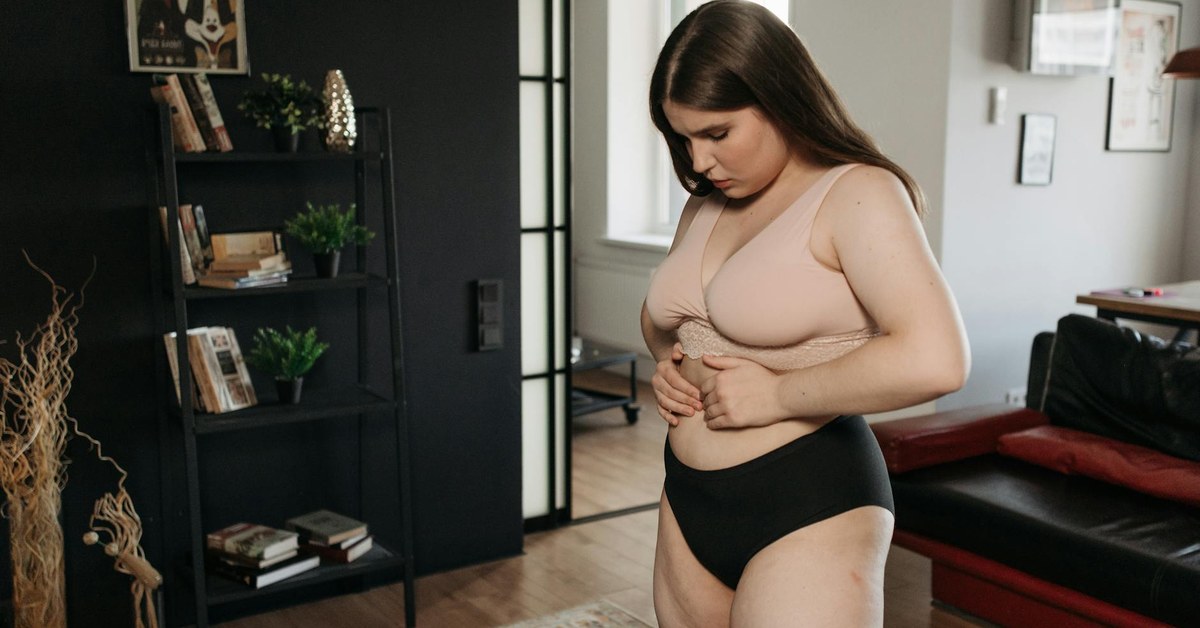

How to Build Unshakeable Body Confidence from Within: Cultivating Internal Resilience When External Validation Fails
“Discover practical strategies to cultivate deep, unshakeable body confidence from within. Learn to build internal resilience and self-acceptance when external validation isn't enough.”
In a world saturated with idealised images and constant comparisons, many people find themselves trapped in a cycle of seeking approval for their appearance. While external validation might offer fleeting comfort, it rarely provides lasting peace or genuine self-worth. To achieve true contentment, it is essential to build unshakeable body confidence from within, developing an inner resilience that stands firm regardless of external pressures or opinions. This article explores practical, evidence-informed strategies to cultivate deep self-acceptance and intrinsic body worth.
Understanding the Pitfalls of External Validation
Relying on external sources for body confidence is like building a house on sand. Compliments, social media likes, or fitting into a certain size can feel good temporarily, but they are inherently unstable. Societal beauty standards are fluid, often unrealistic, and constantly shifting. What is celebrated today may be dismissed tomorrow, leaving individuals vulnerable to anxiety and self-doubt.
Research consistently highlights the fragility of externally driven self-esteem. A 2023 report by the World Health Organisation (WHO) on mental health in young people noted that body image dissatisfaction is a significant concern globally, affecting an estimated 60% of adolescents. This dissatisfaction is frequently exacerbated by social media, where curated images create an illusion of perfection. “The constant exposure to filtered and edited images can severely distort an individual’s perception of normal bodies, leading to feelings of inadequacy and a relentless pursuit of an unattainable ideal,” explains a child and adolescent psychologist. This pursuit of external approval often leads to negative coping mechanisms and can hinder the development of healthy internal body image resilience.
Foundational Pillars for Internal Body Image Resilience
Developing a robust internal sense of body confidence requires a conscious shift in perspective and consistent effort. It involves establishing several foundational pillars that support self-acceptance and intrinsic worth.
Cultivating Self-Compassion
Self-compassion is the practice of treating oneself with kindness, understanding, and care, especially when facing perceived flaws or failures. Instead of harsh self-criticism, self-compassion encourages a gentle, supportive inner dialogue.
- Practice mindful self-compassion breaks: When you notice feelings of inadequacy or self-criticism about your body, pause.
- Acknowledge the feeling: “This is a moment of suffering.”
- Recognise shared humanity: “Suffering is a part of life; I am not alone in feeling this.”
- Offer kindness to yourself: “May I be kind to myself in this moment.” You might place a hand over your heart or offer a comforting phrase.
- Journaling for self-kindness: Regularly write down three things you appreciate about your body, focusing on its functions and capabilities rather than its appearance.
Challenging Negative Self-Talk
Our internal narrative profoundly shapes our perceptions. Negative self-talk, often ingrained over years, can systematically erode body confidence. Learning to identify and challenge these thoughts is crucial.
- Identify thought patterns: Notice when negative thoughts about your body arise. Are they recurring? What triggers them?
- Question the evidence: Ask yourself: Is this thought factually accurate? What evidence supports it? What evidence contradicts it? Often, these thoughts are based on assumptions or external comparisons rather than reality.
- Reframe the narrative: Replace critical thoughts with more neutral or compassionate ones. For example, instead of “My thighs are too big,” try “My thighs help me walk, run, and explore.” According to a leading mental health charity, identifying and challenging negative self-talk is a pivotal step in developing a healthier relationship with one’s body and fostering self-acceptance body confidence.
Media Literacy and Digital Detox
The digital world often presents a curated, unrealistic view of bodies. Developing media literacy helps to deconstruct these illusions, while strategic digital detoxes can reduce their impact.
- Understand manipulation: Learn about photo editing, filters, and digital enhancements. Recognise that what you see online is often not an accurate representation of reality.
- Curate your feed: Actively unfollow accounts that promote unrealistic body standards or trigger negative comparisons. Seek out and follow accounts that champion body diversity, positivity, and authenticity.
- Set screen time limits: Implement regular breaks from social media. Even short periods away can significantly reduce comparison and improve mood. For teenagers, understanding the commercial motivations behind beauty advertising can be particularly empowering, enabling them to question the messages they receive.
Key Takeaway: True body confidence is not about achieving an external ideal, but about cultivating an internal landscape of self-compassion, challenging negative narratives, and critically engaging with external influences.
Practical Strategies for Self-Acceptance and Intrinsic Worth
Beyond foundational mindset shifts, concrete actions can reinforce your journey towards cultivating intrinsic body worth.
Mindful Movement and Intuitive Eating
Shift your focus from how your body looks to how it feels and what it can do.
- Mindful movement: Engage in physical activities you genuinely enjoy, focusing on the sensations of your body and the joy of movement, rather than calorie burning or aesthetic outcomes. This could be dancing, walking in nature, swimming, or yoga.
- Intuitive eating: Listen to your body’s hunger and fullness cues. Eat foods that nourish you and bring you pleasure, without guilt or restrictive rules. This approach fosters a trusting relationship with your body’s needs.
Focusing on Your Body’s Functionality
Practising gratitude for what your body does for you can be a powerful antidote to appearance-based anxieties.
- List your body’s capabilities:
- Your hands allow you to create, touch, and care.
- Your legs enable you to explore, move, and stand tall.
- Your eyes allow you to see beauty and connect with others.
- Your heart tirelessly pumps life through you.
- Your brain processes thoughts, emotions, and memories.
- Connect with senses: Take time to appreciate the world through your senses – the smell of fresh rain, the taste of a favourite meal, the sound of laughter. This grounds you in the present and highlights your body as a vessel for experience.
Surrounding Yourself with Supportive Influences
The people and environments we choose significantly impact our self-perception.
- Seek diverse representations: Actively look for media, art, and conversations that celebrate a wide range of body shapes, sizes, and abilities. This normalises diversity and challenges narrow beauty ideals.
- Build a positive social circle: Spend time with people who uplift you, celebrate your individuality, and focus on your character and contributions rather than your appearance. Minimise contact with those who engage in body shaming or excessive comparison.
- Engage in positive online communities: Join forums or groups dedicated to body positivity, self-acceptance, or shared hobbies that build self-esteem. [INTERNAL: building healthy relationships]
Engaging in Meaningful Activities
Pursuing passions and activities that bring you joy and a sense of accomplishment can significantly boost your overall self-esteem, which naturally extends to your body confidence.
- Develop skills: Learn a new instrument, master a craft, volunteer for a cause you care about. When you focus on what you can do and achieve, your sense of worth becomes less tied to physical appearance.
- Contribute to others: Helping others or contributing to a community can foster a deep sense of purpose and value, shifting focus away from self-criticism.
Sustaining Your Internal Body Confidence Journey
Building unshakeable body confidence from within is an ongoing journey, not a destination. There will be good days and challenging days.
- Recognise setbacks as normal: It is natural to occasionally feel insecure or fall back into old patterns. When this happens, respond with self-compassion rather than harsh judgment.
- Reinforce positive habits: Consistently practice the strategies outlined above. Like any skill, internal resilience strengthens with regular application.
- Seek professional support: If body image struggles are significantly impacting your mental health, daily functioning, or leading to disordered eating behaviours, consider seeking help from a qualified therapist or counsellor. Organisations like the National Eating Disorders Association (NEDA) or the UK’s Beat offer valuable resources and support.
What to Do Next
- Start a Self-Compassion Journal: Begin today by writing down five things your body allows you to do, focusing on function over appearance.
- Curate Your Digital Environment: Take 30 minutes to review your social media feeds. Unfollow accounts that make you feel inadequate and seek out three new accounts that promote body diversity and positive self-image.
- Engage in Mindful Movement: Choose one physical activity you genuinely enjoy and commit to doing it for 20 minutes, three times this week, purely for the joy of movement.
- Practice Thought Reframing: The next time a negative thought about your body arises, pause, question its validity, and consciously reframe it into a more neutral or compassionate statement.
- Connect with a Supportive Person: Share your journey or feelings with a trusted friend or family member who offers genuine support and focuses on your intrinsic qualities.
Sources and Further Reading
- World Health Organisation (WHO). (2023). Adolescent Mental Health: Body Image and Self-Esteem.
- NSPCC. (n.d.). Body image and mental health. https://www.nspcc.org.uk/
- The Mental Health Foundation. (n.d.). Body image. https://www.mentalhealth.org.uk/
- NHS. (n.d.). Body image – how to improve it. https://www.nhs.uk/