Building a Peaceful 'Calm Corner': A Practical Guide for Parents to Help Children Cope with Stress & Anxiety at Home
Discover how to set up an effective 'calm corner' at home. A practical guide for parents to equip children with tools to manage stress, anxiety, and big emotions.
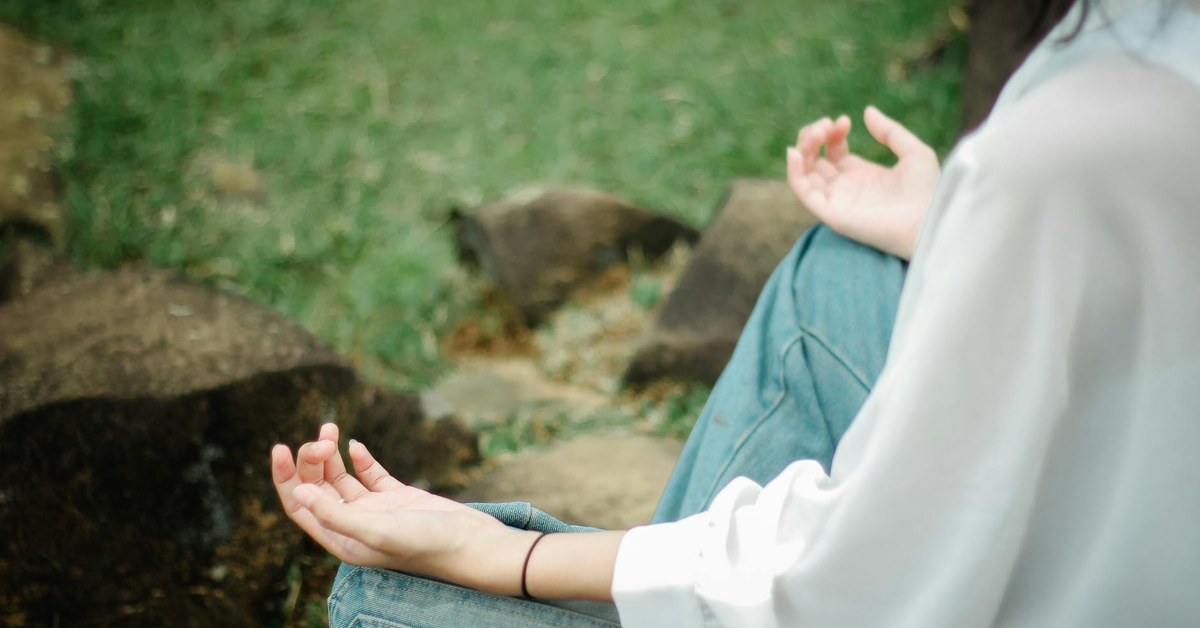

Building a Peaceful 'Calm Corner': A Practical Guide for Parents to Help Children Cope with Stress & Anxiety at Home
“Discover how to set up an effective 'calm corner' at home. A practical guide for parents to equip children with tools to manage stress, anxiety, and big emotions.”
Children, like adults, experience stress and anxiety, but they often lack the words or tools to express these big emotions. Creating a dedicated calm corner for child stress management at home offers a safe, designated space where children can retreat, regulate their feelings, and develop essential coping skills. This practical guide will walk you through setting up and effectively utilising a calm corner, empowering your child to navigate emotional challenges with greater resilience.
Why a Calm Corner Matters for Child Stress Management
Childhood is a period of rapid development and change, which can sometimes feel overwhelming. External pressures, new experiences, and even seemingly minor disruptions can trigger feelings of stress, frustration, or anxiety in children. According to UNICEF, mental health conditions account for 13% of the global burden of disease in young people aged 10-19 years. Providing children with a dedicated space for emotional regulation is not just a comfort, but a crucial developmental tool.
A calm corner serves several vital purposes: * Promotes Self-Regulation: It teaches children to recognise when they need a break and how to calm themselves down using various techniques. * Develops Emotional Intelligence: Children learn to identify and name their emotions without judgment, understanding that all feelings are acceptable. * Offers a Safe Haven: It provides a predictable, non-punitive space away from overstimulation or conflict, fostering a sense of security. * Reduces Overwhelm: By offering a quiet retreat, it helps children process sensory input and emotional intensity.
Recognising Signs of Stress and Anxiety in Children
Before implementing a calm corner, it helps to understand how stress and anxiety manifest in children. These signs can vary by age and individual temperament.
Common indicators include: * Behavioural Changes: Increased irritability, defiance, withdrawal, clinginess, or aggression. * Physical Symptoms: Headaches, stomach aches, changes in appetite or sleep patterns (difficulty falling asleep, nightmares). * Emotional Expression: Frequent crying, temper tantrums, excessive worrying, or expressing fears. * Cognitive Difficulties: Trouble concentrating, forgetfulness, or a drop in academic performance.
An educational psychologist suggests, “Observing consistent changes in a child’s typical behaviour is often the first clue that they might be struggling with underlying stress or anxiety. A calm corner provides an immediate, tangible solution for them to begin addressing these feelings.”
Key Takeaway: A calm corner is a proactive tool for child stress management, helping children recognise, process, and regulate their emotions, which is essential for their overall well-being and development.
Designing Your Child’s Peaceful Calm Corner
The effectiveness of a calm corner largely depends on its design and the tools it offers. This space should be inviting, comfortable, and tailored to your child’s specific needs and preferences.
Choosing the Right Location
Select a quiet, low-traffic area of your home. This could be a corner of their bedroom, a designated spot in the living room, or even a large wardrobe converted into a cosy nook. The key is privacy and minimal distractions. Ensure the area is well-lit but can also be dimmed if preferred.
Essential Elements for a Sensory Corner for Kids
A sensory corner for kids incorporates items that engage different senses in a soothing way, helping to redirect focus and calm the nervous system.
Here are some ideas for your calm corner: * Comfortable Seating: A soft beanbag, cushions, a small armchair, or a comfortable rug. * Soft Textures: A fuzzy blanket, tactile pillows, or a plush toy for hugging. * Gentle Lighting: A small lamp with a warm glow, string lights, or a sensory light projector (stars, ocean waves). Avoid harsh overhead lighting. * Calming Visuals: Simple artwork, a picture book with serene images, or a “calm-down jar” (a jar filled with glitter glue and water that, when shaken, provides a mesmerising visual as the glitter settles). * Soothing Sounds: A small set of headphones with calming music, nature sounds, or an audio story. Alternatively, a wind chime or rain stick can offer gentle auditory input. * Aromatherapy (Optional and Child-Safe): A diffuser with a very mild, child-safe essential oil (e.g., lavender diluted appropriately) or a scented soft toy. Always consult a healthcare professional before using essential oils with children. * Fidget Tools: Small, quiet items like fidget spinners, stress balls, tangle toys, or textured objects to keep hands busy. * Creative Outlets: A small drawing pad and crayons, playdough, or a simple puzzle. These activities can help externalise emotions.
Age-Appropriate Emotional Regulation Tools Children Can Use
The tools in your calm corner should evolve with your child’s age and developing emotional understanding.
For Toddlers and Preschoolers (ages 1-5): * Sensory Exploration: Soft blankets, textured books, sensory bottles, simple wooden blocks for stacking. * Picture Books: Books about feelings (e.g., “The Colour Monster”), simple stories with calming themes. * Comfort Objects: A favourite stuffed animal or security blanket. * Movement: A small cushion to push against, helping to release energy.
For School-Aged Children (ages 6-12): * Mindfulness Exercises: Simple breathing exercise cards (e.g., “smell the flower, blow out the candle”), guided meditation audio for kids. * Journaling/Drawing: A notebook for writing or drawing about feelings. * Problem-Solving Tools: A small dry-erase board to list worries or brainstorm solutions (with parental guidance). * Construction Toys: LEGOs or building blocks can offer a focused, calming activity.
For Teenagers (ages 13+): * Music and Audio: Headphones for preferred music, podcasts, or guided meditations. * Journaling/Writing Prompts: More complex prompts for exploring thoughts and feelings. * Art Supplies: Sketchbooks, coloured pencils, or even knitting/crochet supplies. * Comfort and Privacy: Ensure the space offers a strong sense of personal ownership and privacy.
Introducing and Using the Calm Corner Effectively
Setting up the calm corner is only the first step. The real work involves introducing it to your child and teaching them how to use it as a powerful emotional regulation tool.
Guiding Your Child’s Self-Soothing Techniques
- Introduce it Positively: Present the calm corner as a special, safe space for relaxation and feeling better, not as a punishment or time-out spot. Say, “This is our special calm corner, a place where you can go when you feel big feelings, or just want to relax.”
- Model Its Use: Show your child how to use the items. Demonstrate deep breathing, look at a calming book, or gently squeeze a stress ball. You can even use it yourself occasionally, saying, “I’m feeling a bit overwhelmed, I’m going to spend a few minutes in the calm corner.”
- Practise During Calm Times: Encourage your child to visit the calm corner when they are already feeling happy or relaxed. This builds positive associations. Let them explore the items and choose their favourites.
- Suggest, Don’t Command: When your child is upset, gently suggest, “I see you’re having some big feelings. Would you like to spend some time in your calm corner?” Avoid forcing them. The goal is self-initiated regulation.
- Stay Nearby (Initially): Especially for younger children, remain close by to offer support if needed, but allow them space to process.
- Debrief Afterwards: Once they have calmed down, you can talk about what happened and what helped them feel better. “What helped you calm down in your special corner?” or “How are you feeling now?” [INTERNAL: talking to children about emotions]
Integrating Home Solutions for Child Stress into Daily Life
A calm corner is one piece of a larger puzzle in creating a supportive environment for your child’s emotional well-being. Regular routines, open communication, and consistent emotional support are equally important.
- Establish Predictable Routines: Children thrive on predictability. Consistent schedules for meals, sleep, and play can reduce anxiety.
- Open Communication: Create an environment where children feel safe to talk about their feelings without judgment. Actively listen to their concerns.
- Promote Physical Activity: Regular exercise is a powerful stress reliever for children.
- Ensure Adequate Sleep: Sleep deprivation can exacerbate stress and anxiety. Maintain a consistent bedtime routine.
- Limit Screen Time: Excessive screen exposure can contribute to overstimulation and sleep disruption.
- Teach Problem-Solving Skills: Empower children to find solutions to their own challenges, with your guidance.
By consistently utilising the calm corner and integrating these home solutions, you equip your child with invaluable coping mechanisms for managing stress and anxiety throughout their lives. This investment in their emotional health provides long-term benefits for their overall development and resilience.
What to Do Next
- Identify a Space: Choose a quiet, low-traffic area in your home to designate as your child’s calm corner.
- Gather Calming Items: Select a few age-appropriate sensory tools, comfort items, and activity options to stock the corner.
- Introduce and Model: Present the calm corner positively to your child and demonstrate how to use its tools during calm times.
- Practise and Support: Encourage your child to use the space when needed, offering gentle suggestions and support, rather than commands.
- Review and Adapt: Regularly check in with your child about what helps them in the calm corner and adjust the items as they grow and their needs change.
Sources and Further Reading
- UNICEF: The State of the World’s Children 2021 - On My Mind: promoting, protecting and caring for children’s mental health. (www.unicef.org)
- World Health Organisation (WHO): Adolescent mental health. (www.who.int)
- NSPCC: Talking to children about feelings. (www.nspcc.org.uk)
- Red Cross: Psychological First Aid for Children. (www.redcross.org)