School Bullying: Recognising It, Responding to It,
A practical guide for parents on recognising the signs that a child is being bullied at school, how to talk to your child, how to work effectively with the school, and what to do when the school does not respond adequately.
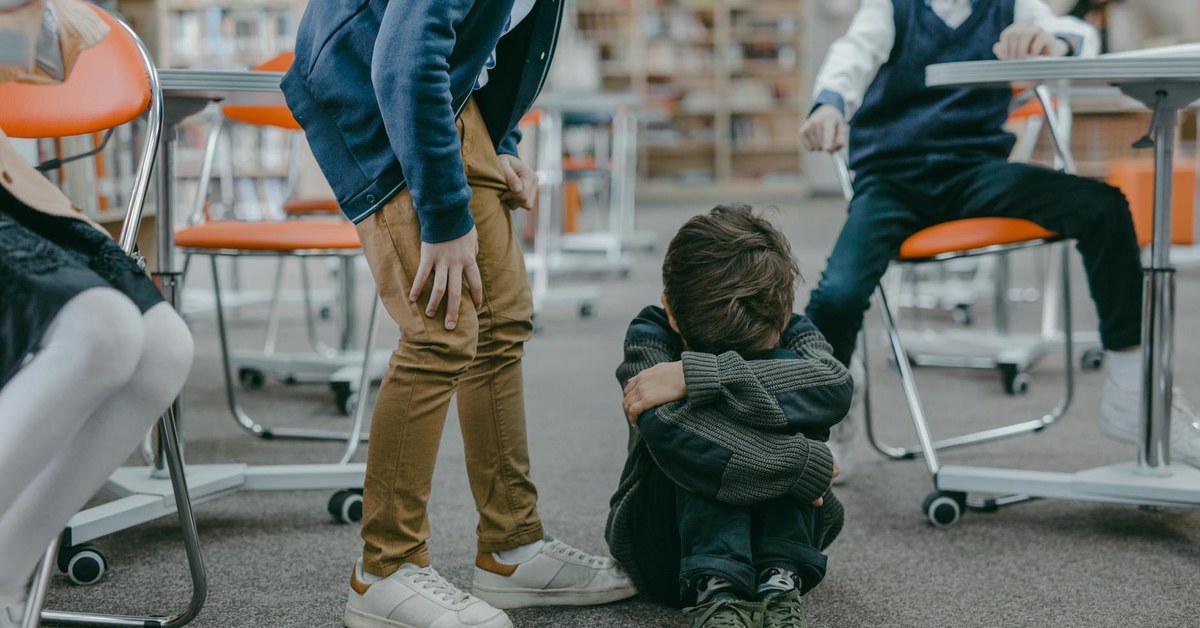

School Bullying: Recognising It, Responding to It,
“A practical guide for parents on recognising the signs that a child is being bullied at school, how to talk to your child, how to work effectively with the school, and what to do when the school does not respond adequately.”
Bullying at School: A Persistent Problem
Bullying is one of the most common and most damaging experiences in childhood. Research across countries and cultures consistently shows that a significant proportion of children experience bullying at school at some point during their education, and that bullying has real and measurable effects on mental health, academic performance, and long-term wellbeing. Children who are bullied are at elevated risk of depression, anxiety, and social difficulties, and in serious cases, the effects can persist into adulthood.
Despite its prevalence, bullying is frequently underreported by children, misidentified by adults, and inadequately addressed by schools. Understanding what bullying is, how to recognise it in your child, and how to respond effectively are important parenting skills.
What Bullying Is (and Is Not)
The definition of bullying matters because it shapes how situations are responded to. Bullying involves three key elements: deliberate harmful behaviour, repetition over time, and an imbalance of power between the person doing the bullying and the person being targeted. A single unkind comment or a one-off argument between peers who are roughly equally matched is not bullying, though it may warrant addressing. Bullying is characterised by its intentional, repeated, and power-imbalanced nature.
Forms of bullying include physical (hitting, pushing, taking or damaging possessions), verbal (name-calling, threats, humiliating remarks), social or relational (deliberate exclusion, spreading rumours, damaging friendships), and cyberbullying (through digital devices and platforms). In any given situation, multiple forms may be occurring simultaneously.
Recognising the Signs in Your Child
Children who are being bullied often do not tell their parents directly, for a variety of reasons: shame, fear that telling will make it worse, fear of being seen as a snitch by peers, or a belief that parents will overreact. Parents therefore need to be alert to indirect signs:
- Unexplained physical signs: torn clothing, missing possessions, injuries without a convincing explanation
- Changes in mood, particularly increased sadness, anxiety, or irritability after school
- Not wanting to attend school, or finding reasons to avoid specific times or places at school
- Becoming withdrawn from family and previously enjoyed activities
- Changes in eating or sleeping
- Unusual changes in friendship patterns, particularly losing friends or becoming isolated
- Coming home from school upset, or taking unusual routes to avoid certain people
- Requests for extra money that are not explained, which may indicate the child is being extorted
- Vague physical complaints such as headaches or stomach aches on school days that resolve during school holidays
How to Talk to Your Child
If you suspect your child is being bullied, choose a quiet, calm moment to raise your concerns. Do not lead with a direct question about whether they are being bullied, as children who are embarrassed or ashamed may deny it. A more open approach works better: I have noticed you have seemed unhappy lately. I want to understand what is going on for you.
Listen carefully to what your child shares. Validate their feelings before moving to problem-solving: that sounds really hard and I can understand why you are upset. Resist the impulse to immediately reassure them that everything will be fine, as this can feel dismissive when they are distressed. Instead, acknowledge the difficulty and express your support: I am glad you have told me and I am going to help you with this.
Ask what, if any, response they would like from you. A child who does not want you to contact the school yet has a reason for that, even if you ultimately need to override it. Understanding their concerns (fear of retaliation, fear of being labelled) helps you address them directly rather than dismissing them.
Working with the School
Schools in most countries have a legal and ethical responsibility to address bullying. They are also best placed to observe what is happening in their own environment and to take action against other students. Effective engagement with the school requires both clear communication and a constructive approach.
Keep a written record of specific incidents that you are aware of before contacting the school: dates, what happened, who was involved, and any impact on your child. This specific information is far more useful to the school than a general concern that your child is unhappy.
Contact the class teacher or form tutor as a first step. Follow up any verbal conversations in writing (email is appropriate) so that there is a record of the communication and the agreed response. Ask for a written confirmation of what actions the school will take and by when.
If the initial contact does not result in action, escalate through the school's formal complaints process, contacting the head teacher or, if necessary, the governing body or equivalent. Persist politely and systematically, keeping written records at every stage.
What the School Should Do
A school that is responding effectively to a reported bullying incident will: take the report seriously rather than dismissing it as falling out or minor conflict; investigate by speaking with the child being bullied and, separately, other witnesses; address the behaviour of the child or children doing the bullying in a proportionate way; provide appropriate support for the targeted child; and follow up to check that the bullying has stopped.
Schools are not expected to resolve every social conflict between children, and not everything that children experience as unfair treatment is bullying. But persistent, deliberate harmful behaviour toward a specific child is a safeguarding matter, and schools have clear responsibilities to address it.
If the School Does Not Respond Adequately
If the bullying continues despite school involvement, or if the school does not take meaningful action, there are further steps:
- Request a meeting with the headteacher and bring your written record of both the bullying incidents and the school's response (or lack of it)
- Involve the school governing body or board of trustees
- In serious cases, contact the local education authority or equivalent regulatory body
- If the bullying involves criminal behaviour (physical assault, theft, threats of violence, online harassment), consider whether to report to police
Supporting Your Child Through and After Bullying
While working to stop the bullying, continue to support your child's emotional wellbeing. Maintain normal routines. Listen to their concerns. Build their confidence through activities outside school where they can experience success and positive relationships. If their distress is significant or persistent, speak to your family doctor about whether professional support is appropriate.
Many children who have experienced bullying need explicit help rebuilding confidence in social situations. This is not an automatic process, and parents who notice that a child has become significantly more withdrawn or anxious after a bullying experience should take this seriously and seek support if it does not resolve naturally over time.