Bullying Prevention in the Early Years: What Parents
Bullying can begin earlier than many parents realise. Learn how to identify bullying behaviour in children aged 4-7, how to respond effectively, and how to build social skills that protect children from both perpetrating and experiencing bullying.
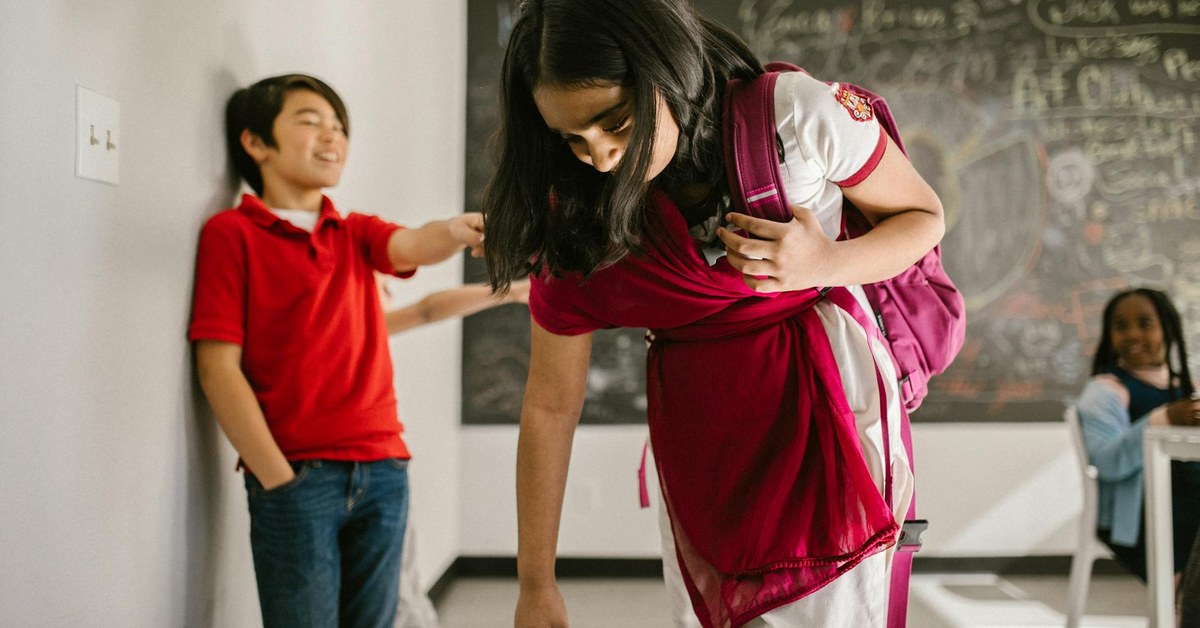

Bullying Prevention in the Early Years: What Parents
“Bullying can begin earlier than many parents realise. Learn how to identify bullying behaviour in children aged 4-7, how to respond effectively, and how to build social skills that protect children from both perpetrating and experiencing bullying.”
Understanding Bullying in the Early Years
Many adults assume that bullying is primarily a secondary school problem and that children in the early years are simply too young to engage in intentional bullying behaviour. The reality, as documented by researchers and experienced early years practitioners globally, is more complex and more concerning. Bullying behaviour can begin as early as three or four years of age, and patterns established in the early years can persist and intensify through school if not addressed promptly and effectively.
This does not mean that all unkind behaviour between young children constitutes bullying. Young children are learning social skills, emotional regulation, and the complex navigation of peer relationships for the first time. Conflict, selfishness, and hurtful behaviour are normal parts of this developmental process and do not in themselves indicate bullying. The distinction matters because the appropriate response differs.
Bullying, as distinct from ordinary childhood conflict, involves a power imbalance between the child perpetrating the behaviour and the child being targeted, intentional harm rather than accidental hurt, and repetition over time. When these three elements are present, the behaviour warrants a different and more deliberate response than ordinary peer conflict.
What Bullying Looks Like in Children Aged 4-7
Bullying in the early years often looks different from the more obvious physical or verbal bullying that is typically associated with older children. Early years bullying frequently manifests in more subtle social forms that adults may overlook or misattribute to normal childhood behaviour.
Physical bullying, including hitting, pushing, biting, and taking or damaging belongings, is the most visible form and is most common in the youngest children in this age group, where physical rather than verbal expression of frustration or dominance is more common. This should be addressed by adults consistently and clearly, as physical harm to other children is never acceptable regardless of the perpetrator's age.
Verbal bullying, including name-calling, mockery, and deliberate exclusion through words, becomes more prevalent as children's language develops. Children who repeatedly call another child names, who consistently mock a child's appearance, abilities, or background, or who use language to make another child feel unwelcome or inferior are demonstrating bullying behaviour.
Relational or social bullying is often the most damaging and the least visible to adults. It involves manipulating social relationships to cause harm, such as repeatedly excluding a specific child from play, spreading negative information about a child to others, controlling social groups to isolate a target, and using friendship as leverage. This form of bullying can be particularly damaging to children's self-esteem and sense of belonging.
Signs a Child May Be Experiencing Bullying
Young children are often unable or unwilling to tell adults directly that they are being bullied. They may fear that telling will make things worse, they may feel ashamed, or they may simply not have the vocabulary to articulate what is happening to them. Parents and carers need to be alert to indirect signals that a child may be experiencing bullying.
Significant changes in a child's behaviour or mood are often the first indicator. A child who previously enjoyed school or nursery and suddenly becomes reluctant to attend, develops physical complaints such as stomach aches or headaches on school days, becomes noticeably quieter or more withdrawn, or shows increased anxiety or clinginess may be experiencing something difficult in their social environment.
Changes in eating or sleeping patterns can also indicate distress. A child who is dreading the next day may have difficulty sleeping. A child who is unhappy during the day may have little appetite.
Watch also for changes in the child's social landscape. A child who previously had friends they spoke about enthusiastically who now seems to be consistently playing alone, who never mentions certain children's names anymore, or who reports always being left out of games may be experiencing social exclusion.
Physical signs including unexplained bruises, scratches, or damaged or missing belongings should always be investigated. Young children do not always volunteer the explanation and adults should ask gently and directly.
Responding When a Child Reports Bullying
How adults respond when a child reports or discloses bullying significantly affects both the immediate outcome and the child's willingness to report future problems. Getting this response right is critically important.
Take the report seriously. Never dismiss a child's account of bullying with reassurances that children will be children, that it was probably just playing, or that they should toughen up. These responses communicate to the child that their experience is not valid and their distress is not worth taking seriously. Children who receive this response are significantly less likely to report bullying in the future.
Listen fully before responding. Ask open, non-leading questions to understand what happened, who was involved, how often it has occurred, and how the child is feeling. Do not interrupt, express excessive emotion, or prompt the child towards particular answers. Simply listen, validate their feelings, and thank them for telling you.
Validate the child's feelings while maintaining a calm, problem-solving stance. Communicate that you believe them, that what they are experiencing is not their fault, and that you are going to help. Avoid making promises you cannot keep, such as promising that it will never happen again, as this may undermine the child's trust if the situation continues.
Engage with the school or childcare setting promptly. Request a meeting with the relevant teacher or member of leadership to share what your child has told you and to ask what the setting's anti-bullying policy is and how it will be applied. Keep a written record of what your child has reported and when, and of all communications with the setting about the matter.
Supporting a Child Who Is Experiencing Bullying
Beyond reporting and engaging the school, parents can provide significant support to a child who is experiencing bullying in several ways.
Help the child build their social support network. A child with at least one stable, positive friendship is significantly more resilient in the face of bullying than a socially isolated child. Facilitate playdates and social activities outside school to help strengthen existing friendships or develop new ones. Enrol the child in activities outside school where they can meet new peers who do not know the social dynamics of the school environment.
Teach the child some practical strategies for responding to bullying behaviour. These should be age-appropriate and should not put the child at greater risk. Effective strategies for young children include walking away calmly and confidently, telling a trusted adult immediately, using a calm, firm voice to say stop it and walking away, and ignoring behaviour that is designed to provoke a reaction. Avoid advising young children to fight back physically, which is more likely to escalate the situation and get the child into trouble than to resolve it.
Build the child's self-esteem and sense of identity outside the context of the bullying. Ensure they have opportunities to succeed, to develop skills, and to experience positive relationships. Children with a secure sense of their own value are more resilient to the messages that bullying sends.
Addressing Bullying Behaviour in Children
When a child in the early years is identified as engaging in bullying behaviour towards peers, the response needs to be thoughtful, prompt, and focused on changing behaviour rather than simply punishing the child. Children who bully in the early years are often communicating unmet emotional needs, modelling behaviour they have observed, or struggling with social and emotional skills that have not yet fully developed.
Address the behaviour clearly and directly without shaming the child. Make clear that the behaviour is not acceptable and that it will have consequences, but distinguish between the behaviour and the child's identity. You are a kind person who has been behaving in an unkind way is a more constructive framing than you are a bully.
Investigate what is driving the behaviour. Is the child experiencing difficulties at home? Are they being bullied themselves by an older sibling or peer? Are they struggling with a particular social or emotional skill? Understanding the roots of bullying behaviour enables adults to address the underlying issue rather than just the surface behaviour.
Work with the school or setting to ensure a consistent response. Bullying that is addressed inconsistently or only in one environment is unlikely to stop. A coordinated response between home and school is significantly more effective than unilateral action by either party alone.
Building Social-Emotional Skills as Prevention
The most effective approach to bullying in the early years is prevention through deliberate development of the social and emotional skills that reduce both the likelihood of a child engaging in bullying behaviour and the likelihood of a child being isolated and targeted.
Empathy is central to bullying prevention. Children who can genuinely imagine how another person feels are less likely to engage in behaviour that causes harm. Develop empathy through picture books that explore diverse emotional experiences, through conversations about characters' feelings in stories and programmes, and through consistent adult modelling of empathic responses in everyday interactions.
Teach children to manage strong emotions effectively. Children who can identify and manage feelings of frustration, jealousy, and anger without acting on them aggressively are less likely to engage in bullying behaviour. Emotion coaching, which involves naming emotions, validating them, and helping children find constructive ways to express and manage them, is a well-evidenced approach to developing this capacity.
Develop children's social problem-solving skills. Teach them to identify problems in social situations, generate multiple possible responses, consider the consequences of different responses, and choose and implement a constructive solution. These skills do not develop automatically but can be explicitly taught through conversation, role play, and supportive adult coaching during real social situations.
The Role of Schools and Early Years Settings
Parents cannot address bullying alone. Schools and early years settings play a critical role in both prevention and response. When choosing a setting and in ongoing engagement with it, parents should look for evidence of a strong anti-bullying culture that includes an explicit, regularly reviewed anti-bullying policy, staff training in recognising and responding to bullying, a positive social and emotional learning curriculum, clear reporting procedures for children and parents, and a track record of taking bullying reports seriously and responding effectively.
Engage with your child's school or setting as a partner in building social and emotional skills, not only when a problem arises. Attend any workshops or information sessions the setting offers on social development and bullying. Reinforce at home the social and emotional learning content your child is receiving in their setting. This consistency between home and school creates the richest conditions for the development of the skills and values that prevent bullying and build resilient, empathic children.