Burnout Recognition and Recovery
Burnout does not announce itself. It arrives quietly, disguised as tiredness, until the day you realise you have nothing left to give. This guide helps you recognise the signs and find your way back.
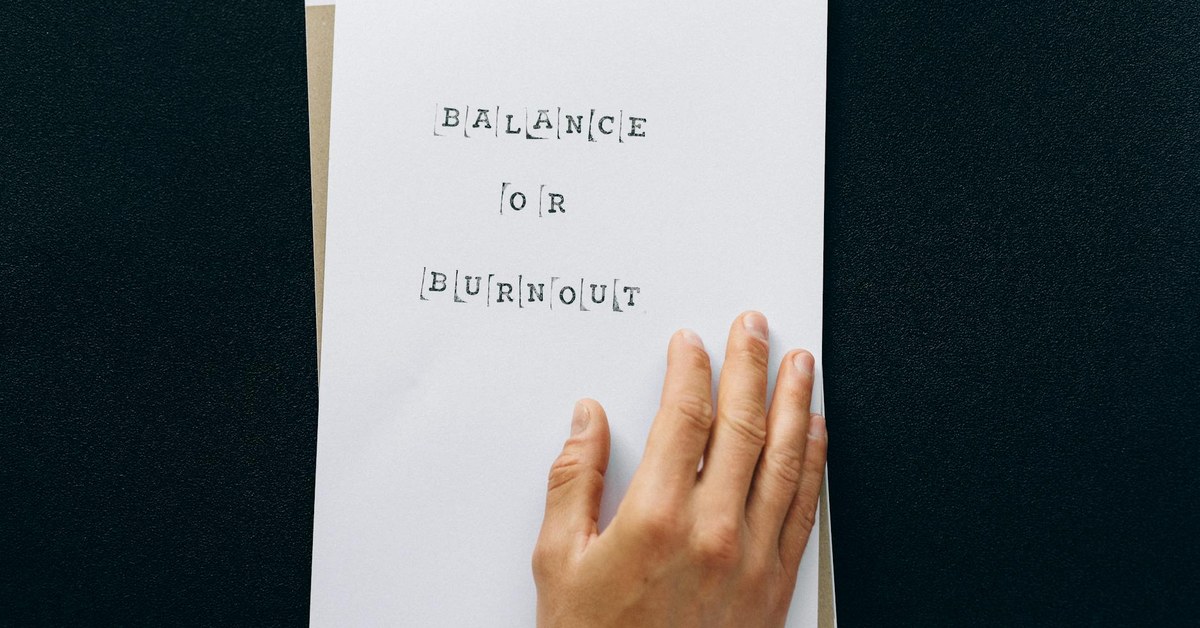

Burnout Recognition and Recovery
“Burnout does not announce itself. It arrives quietly, disguised as tiredness, until the day you realise you have nothing left to give. This guide helps you recognise the signs and find your way back.”
What Is Burnout, and Why Does It Matter?
Burnout recognition and recovery is one of the most important wellbeing topics of our time, yet it remains widely misunderstood. The World Health Organisation classifies burnout as an occupational phenomenon resulting from chronic workplace stress that has not been successfully managed. But in lived experience, burnout reaches far beyond the office. It touches parents running on empty, carers who have forgotten their own names, students drowning in expectations, and older adults navigating loss and reinvention all at once.
Understanding burnout matters because the consequences of missing it are serious. Left unaddressed, burnout can develop into clinical depression, anxiety disorders, physical illness, and a lasting disconnection from the things and people you once loved. The good news is that recovery is possible for everyone, at every life stage. Getting there starts with knowing what you are actually dealing with.
Burnout, Stress, and Depression: Understanding the Difference
These three experiences are frequently confused, and that confusion makes it harder to seek the right kind of help. Here is how they differ.
Stress is a state of too much. You feel overwhelmed, pressured, and stretched, but you still care. You still want to resolve the situation. Stress tends to be reactive and situational; when the pressure lifts, you recover relatively quickly. Stress has a direction: you are running hard towards something, or away from something.
Burnout is a state of too little. Where stress is too much, burnout is the exhaustion that comes after too much, for too long. The defining characteristic is depletion: emotional, physical, and cognitive. Critically, burnout brings with it a sense of detachment and cynicism. You stop caring, not because you are selfish, but because there is genuinely nothing left. Burnout also has a specific relationship with effort; it develops when sustained effort produces insufficient reward, rest, or recognition.
Depression is a clinical mood disorder that permeates every area of life, not just work or a particular role. It involves persistent low mood, loss of pleasure in things you previously enjoyed, changes in sleep and appetite, and often feelings of worthlessness or hopelessness. Depression can look like burnout, and burnout can tip into depression, but depression does not require an identifiable cause in the way burnout does. It also responds differently to treatment: depression typically requires clinical intervention, whereas early-stage burnout often responds well to rest, restructuring, and support.
If you are unsure which applies to you, speaking to your GP is always the right starting point. There is no downside to asking for a professional opinion.
The Three Core Dimensions of Burnout
Psychologist Christina Maslach, whose research shaped much of what we know about burnout, identified three defining dimensions. Recognising them in your own experience is a powerful first step.
Exhaustion is the most recognisable dimension. It goes beyond feeling tired after a long week. This is a bone-deep fatigue that sleep does not fix. You wake up as tired as you went to bed. Small tasks feel enormous. You lose the capacity to recover.
Depersonalisation or cynicism is the emotional distancing that burnout creates. You become detached from your work, your relationships, or your role. A teacher who once felt genuine warmth for their students starts seeing them as a burden. A carer who was devoted to a family member begins to feel resentment. A parent snaps at their child and feels nothing but hollowness afterwards. This is not a character flaw; it is a protective mechanism your exhausted nervous system has triggered.
Reduced sense of personal accomplishment is the third dimension. Nothing you do feels like enough, or like it matters. You may be doing exactly the same work you did before, but the sense of meaning or progress has evaporated. This erodes self-confidence and motivation over time.
Burnout Recognition Across Life Stages
Young Adults Entering the Workforce
For young adults stepping into their first serious roles, burnout can arrive surprisingly early. The pressure to prove yourself, establish financial stability, navigate workplace dynamics, and maintain a social identity can create a relentless internal demand. Many young adults also carry the accumulated exhaustion of years of academic pressure, and enter work already running low.
Signs to watch for include dreading Monday before Sunday has even begun, feeling that your efforts are invisible or unappreciated, and a growing numbness towards goals that once felt exciting. Many young adults in burnout describe feeling older than their years, and a creeping sense that something is wrong with them for struggling when others appear to be coping.
The reality is that the modern working environment, with its blurred boundaries between work and personal life, its always-on communication expectations, and its competitive culture, creates genuine risk. Struggling is not weakness. It is information.
Parents
Parental burnout is a distinct and increasingly recognised phenomenon. It shares the same three dimensions as occupational burnout but is rooted in the relentless, identity-consuming demands of raising children, often alongside full-time employment, financial pressure, and limited social support.
Parental burnout tends to develop gradually. In the early stages, a parent may feel they are simply tired. Over time, emotional exhaustion deepens, and they begin to feel detached from their children: going through the motions of parenting without the warmth or presence they want to bring. Guilt compounds the exhaustion, creating a cycle that is difficult to interrupt.
It is important to say clearly: experiencing parental burnout does not make someone a bad parent. It makes them a human being who has been running without adequate rest or support. Recognising it is the most loving thing a parent can do, for themselves and for their children.
Carers
Unpaid carers, those looking after a partner, parent, sibling, or child with illness, disability, or additional needs, are among the groups at highest risk of burnout in the UK. According to Carers UK, approximately 5.7 million people in the UK provide unpaid care. Many do so with little respite, inadequate recognition, and a profound sense that their own needs are secondary.
Carer burnout often goes unspoken because carers frequently absorb societal messages that selflessness is virtuous. Seeking help can feel like a betrayal of the person they care for. But a burnt-out carer cannot provide the quality of care they wish to give. Attending to your own recovery is not an act of abandonment; it is a necessary act of sustainability.
Older Adults
Burnout in older adults is less discussed but no less real. Retirement, which the culture often portrays as a time of ease, can bring its own disorientation. The loss of professional identity, the shift in social connection, the physical demands of ageing, and sometimes the taking on of grandparent care responsibilities or carer roles for an older partner, all create conditions where burnout can develop.
Older adults may also be less likely to name what they are experiencing as burnout, associating the term with workplace contexts. Phrases like "I am just tired" or "I suppose this is what getting older feels like" can mask a deeper depletion that warrants attention and care.
Physical Signals Your Body Sends Before Your Mind Catches Up
Burnout is not only psychological. The body registers chronic stress and depletion in measurable ways, and these physical signals often arrive before a person consciously identifies what is happening.
Common physical indicators include persistent headaches, digestive problems, frequent illness (as the immune system becomes compromised), disrupted sleep, unexplained muscle tension or pain, heart palpitations, and profound physical fatigue. Many people visit their GP repeatedly with these symptoms before the underlying burnout is identified as a contributing cause.
Taking physical symptoms seriously is important. They are not imaginary, and they are not separate from the emotional experience. They are part of the same picture.
Burnout Recognition and Recovery: Practical Strategies That Actually Work
Recovery from burnout is not a weekend away. It is a structured, deliberate process that requires honesty, support, and time. The following strategies are grounded in research and in the real experiences of people who have recovered.
Stop Before You Can Stop
One of the most counterintuitive truths about burnout recovery is that you cannot think your way out of it. The cognitive capacity to strategise and problem-solve is itself impaired by burnout. The first and most necessary step is to reduce the load, even when it feels impossible. This might mean taking sick leave, delegating responsibilities, or asking directly for support. This is not failure; it is the condition of recovery.
Audit Your Energy Drains and Restorers
Not all rest is equally restorative. For many people in burnout, passive activities like scrolling on a phone provide neither genuine rest nor genuine pleasure. A useful exercise is to list the activities in your week and rate each as an energy drain, neutral, or restorative. This creates a map of where your depletion is coming from and where recovery might be found.
Reintroduce Meaning Gradually
Burnout strips meaning from activities that once felt purposeful. Recovery involves gently reintroducing small experiences of competence, connection, and satisfaction, not forcing yourself back to full engagement, but creating the conditions where it can return naturally. This might mean returning to a creative hobby, spending time in nature, or simply completing a small, satisfying task each day.
Address Sleep as a Priority, Not an Afterthought
Sleep is not a luxury during burnout recovery; it is the primary mechanism through which the brain and body repair themselves. Good sleep hygiene (consistent sleep and wake times, a dark and cool room, reduced screen exposure before bed, and limiting caffeine after midday) is not glamorous advice, but it is among the most effective.
Rebuild Social Connection Carefully
Isolation worsens burnout, but forced socialising when you are depleted can feel unbearable. The key is small, genuine, low-pressure connection: a short walk with a trusted friend, a brief phone call with someone who does not require you to perform. Quality matters far more than quantity during recovery.
Work With a Professional
Therapy, particularly Cognitive Behavioural Therapy (CBT) and Acceptance and Commitment Therapy (ACT), has a strong evidence base for supporting burnout recovery. A therapist can help you identify the patterns, beliefs, and circumstances that contributed to burnout, and develop practical strategies for sustainable change. Many NHS Talking Therapies services (formerly IAPT) offer these approaches, and self-referral is available in most areas of England.
Consider Structural Change
Recovery without change is incomplete. If the circumstances that caused burnout remain entirely unchanged, the risk of relapse is high. This might mean having difficult conversations with an employer about workload, reducing caring responsibilities where possible, setting clearer boundaries, or making longer-term changes to your work or lifestyle. These conversations are hard, but they are part of genuine recovery, not an optional extra.
What Recovery Actually Looks Like
It is worth being honest about the timeline and texture of burnout recovery, because the reality is often different from what people expect. Recovery is not linear. There will be better weeks and harder weeks. There will be days when you feel almost like yourself, followed by days when the exhaustion returns and you wonder if anything is working.
This is normal. It does not mean recovery is failing. It means recovery is happening in the uneven, organic way that healing always does.
Most people who have experienced significant burnout report that it took between six months and two years to feel genuinely well again. Some describe it as ultimately transformative: a difficult passage that led them to a more sustainable, more self-aware way of living. That possibility is real. But it requires patience with yourself at every stage.
UK Support Resources
If you are experiencing burnout, you do not need to navigate recovery alone. The following UK organisations offer support, information, and someone to talk to.
Mind provides mental health information, support, and a helpline. Call 0300 123 3393 (Monday to Friday, 9am to 6pm) or visit mind.org.uk.
Samaritans offer confidential, non-judgmental listening 24 hours a day, 365 days a year. Call 116 123 (free from any phone) or email jo@samaritans.org.
Shout is a free, confidential text messaging service for people in crisis. Text SHOUT to 85258, available 24 hours a day.
Carers UK provides advice and support for unpaid carers. Call 0808 808 7777 or visit carersuk.org.
NHS Talking Therapies (formerly IAPT) offers free psychological therapies including CBT. Self-refer through your local NHS trust or via your GP. Find your local service at nhs.uk/mental-health/talking-therapies-medicine-treatments/talking-therapies-and-counselling/nhs-talking-therapies.
Rethink Mental Illness offers practical support and advice. Call 0808 801 0525 or visit rethink.org.
A Final Word
Burnout is not a personal failure. It is what happens when human beings are asked to sustain unsustainable output, often in conditions that offer insufficient rest, reward, or recognition. It is one of the most honest signals your body and mind can send: that something needs to change.
Recognising burnout is an act of self-awareness. Seeking help is an act of courage. Beginning recovery, slowly and imperfectly, is an act of profound self-respect. Whatever stage of life you are in, and however long this has been building, recovery is possible. You are not too far gone. You are simply someone who needs, and deserves, to come home to yourself.