Cannabis and the Teenage Brain
The teenage brain is still under construction, and cannabis can disrupt that process in ways that last far longer than the high.
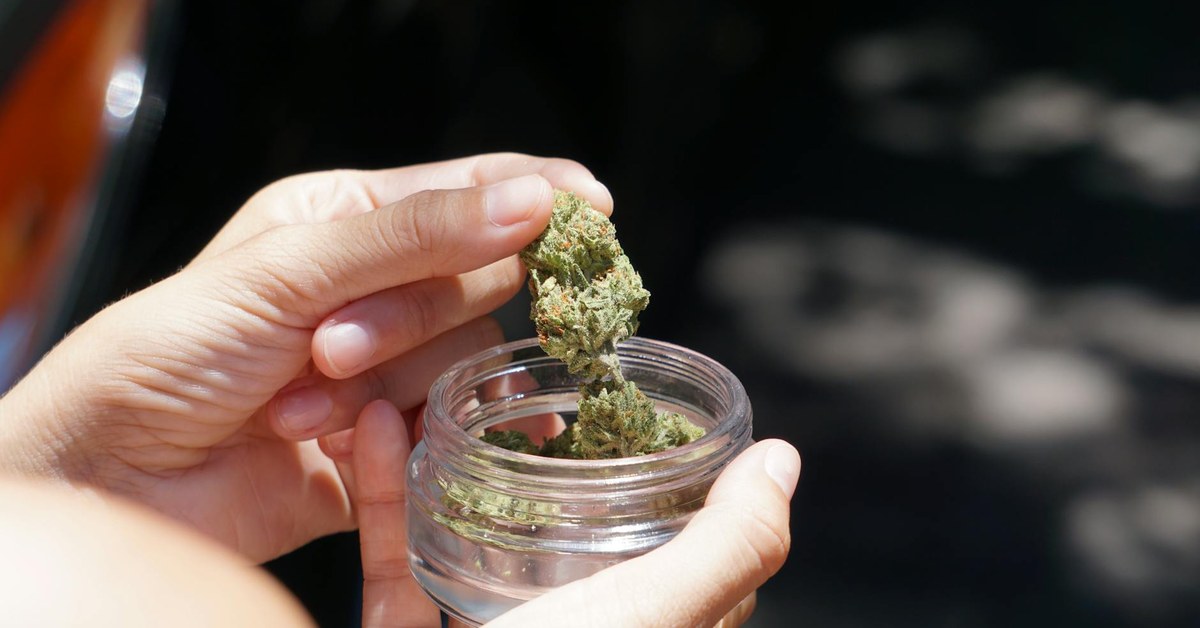

Cannabis and the Teenage Brain
“The teenage brain is still under construction, and cannabis can disrupt that process in ways that last far longer than the high.”
Why the Teenage Brain Is Uniquely Vulnerable to Cannabis
The human brain does not finish developing until the mid-to-late twenties. During teenage years, the prefrontal cortex is being refined through synaptic pruning. THC binds to cannabinoid receptors throughout this developing brain, actively interfering with the brain's growth programme.
The Endocannabinoid System
The endocannabinoid system (ECS) regulates mood, memory, appetite, stress responses, and neuroplasticity. During adolescence, it is especially active, sculpting the adult brain. THC mimics and disrupts natural endocannabinoid signals.
Effects on Memory and Learning
THC disrupts the hippocampus, critical for memory formation. A landmark study found those who began using cannabis in adolescence showed an average decline of eight IQ points by mid-life. Those who started as adults did not show the same decline.
Attention and Executive Function
Cannabis use in teenagers is linked to reduced attention spans, slower processing speeds, and impaired executive function. Neuroimaging studies found structural differences in the prefrontal cortex.
Cannabis and Mental Health
Cannabis and Psychosis
UK research from King's College London found cannabis use associated with increased psychosis risk. Daily use of high-potency cannabis (skunk) was associated with a fivefold increase in psychosis risk.
Anxiety and Depression
Regular THC exposure can dysregulate stress-response systems, creating a worsening cycle of dependency and anxiety.
Cannabis Use Disorder
One in six of those who start during adolescence will develop dependency. Signs include strong cravings, difficulty cutting down, and giving up previously enjoyed activities.
Risk Factors: Potency, Frequency, Age of Onset
Those who begin before age 15 face significantly higher risks. Brain changes are dose-dependent. UK cannabis is substantially stronger than 20 to 30 years ago; high-THC, low-CBD products carry higher psychiatric risk.
Talking to Teenagers
Approach from curiosity, not accusation. Frame around brain development rather than legality. Acknowledge that cannabis is common among UK teenagers. Seek professional help promptly if concerned about regular use or psychotic symptoms.
Support Resources
FRANK: 0300 123 6600 (24/7). talktofrank.com. YoungMinds parent helpline: 0808 802 5544. We Are With You: wearewithyou.org.uk.
The Bottom Line
Adolescent brains are uniquely vulnerable to THC. Regular use carries real risks for cognition, mental health, and long-term wellbeing. Giving young people honest, evidence-based information is about empowering them to protect the most important organ they will ever own.