Child Trafficking: What Young People Need to Know to Stay
Child trafficking is a global crime that affects young people from every background. Understanding how it happens, the tactics traffickers use, and the warning signs helps young people and their families stay safer.
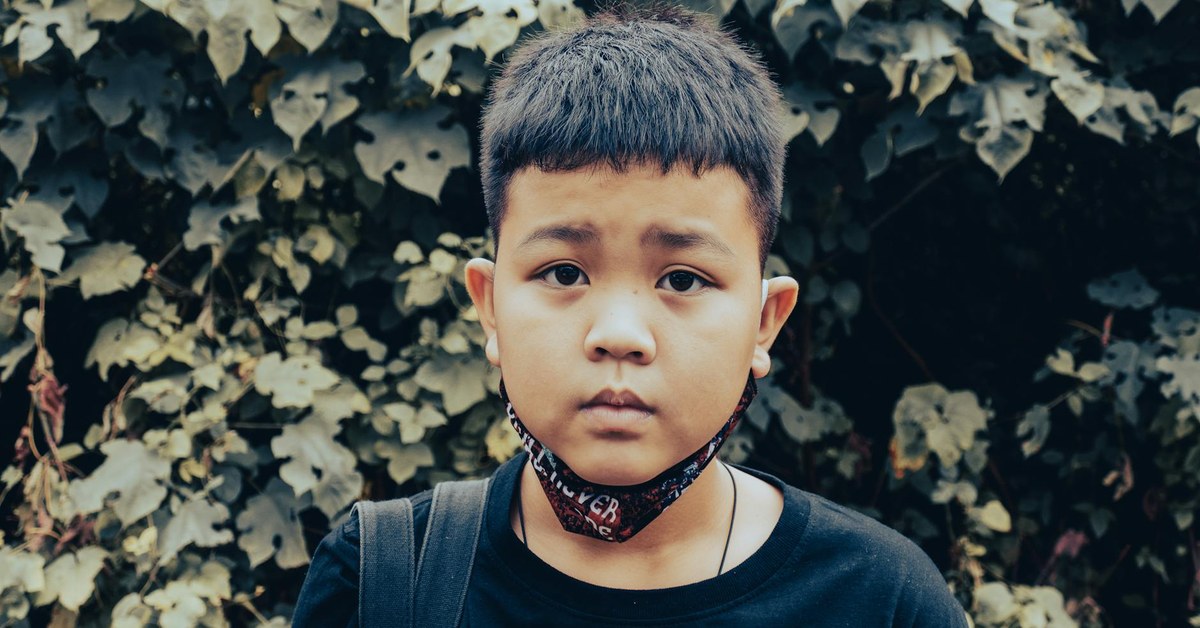

Child Trafficking: What Young People Need to Know to Stay
“Child trafficking is a global crime that affects young people from every background. Understanding how it happens, the tactics traffickers use, and the warning signs helps young people and their families stay safer.”
What Is Child Trafficking?
Child trafficking involves the recruitment, transportation, transfer, harbouring, or receipt of a child for the purpose of exploitation. Exploitation includes sexual exploitation, forced labour, forced criminality (such as being made to commit crimes), domestic servitude, and organ removal. Under international law, set out in the UN Trafficking in Persons Protocol and reflected in national legislation worldwide, children cannot consent to their own trafficking: any child who is recruited, transported, or exploited for these purposes is a victim, regardless of whether they appeared to go willingly.
Child trafficking is not a distant or rare phenomenon. UNICEF estimates that hundreds of thousands of children are trafficked globally each year. Trafficking occurs in and between most countries in the world, including wealthy nations, and affects children from a wide range of backgrounds. The image of trafficking as something that happens only in extreme poverty or in faraway countries is a misconception that leaves young people in all environments unprepared to recognise it.
How Trafficking Happens: The Tactics
Understanding how traffickers recruit and control young people is one of the most important forms of preventive knowledge available. Trafficking rarely matches the dramatic kidnapping scenario that dominates popular imagination. In practice, it most commonly begins with deception, manipulation, and the exploitation of trust.
Romantic Exploitation
One of the most common forms of trafficking recruitment involving teenagers is the establishment of a romantic relationship. A young person, often one who is isolated, vulnerable, or craving attention and affirmation, is targeted by someone who appears to be a genuine romantic partner. The relationship typically begins positively: the recruiter is attentive, generous, and understanding. Over time, romantic dependency is established. Eventually, the young person is asked to do something, often initially framed as a favour to help the relationship, that constitutes the beginning of exploitation. By this point, emotional dependency, shame, and sometimes fear may make it extremely difficult for the young person to leave or to recognise what is happening to them as exploitation.
This pattern is sometimes described as lover boy recruitment in European contexts. It is one of the most common pathways into sexual exploitation for teenage girls in particular, though boys are also affected.
Online Recruitment
Social media, gaming platforms, and dating apps are all used by traffickers to identify and approach potential victims. The approach may begin with friendship and progress to offers of modelling, acting, or entertainment work. It may involve a romantic relationship that begins online. It may involve the promise of a better life, a job, or financial opportunity.
Traffickers look for specific vulnerability indicators in young people's online activity: expressions of loneliness, family conflict, financial hardship, or desire for escape. They are skilled at identifying and responding to these signals. For a young person who feels unseen or unsupported in their offline life, the attention of someone who appears to understand and care about them can feel genuinely meaningful.
False Job Offers
Traffickers use false job offers to recruit young people, particularly those who are older teenagers seeking income and independence. Advertisements for modelling, hospitality, domestic work, entertainment, or other employment may appear legitimate and be distributed through official-looking websites, social media, or word of mouth. The reality behind these offers is exploitation rather than employment.
Job offers that seem unusually well-paid for the skills required, that require travel away from home before any contract is signed, or that involve handing over personal documents including passports, should be treated with extreme caution. Legitimate employment does not require these things.
Exploitation of Pre-Existing Vulnerability
Young people in certain circumstances are at heightened risk of trafficking, including those who are in the care system, those who are experiencing homelessness, those who have a history of abuse or neglect, and those who are in irregular immigration situations. Traffickers specifically target these vulnerabilities, offering what appears to be support, shelter, or a solution to immediate problems.
Recognising the Warning Signs
For young people and the adults around them, recognising the warning signs of potential trafficking can be life-changing. These signs do not confirm trafficking on their own, but in combination they warrant concern and action.
Signs that a young person may be being trafficked or recruited include: the presence of a new, significantly older boyfriend or girlfriend who seems to exert unusual control; unexplained gifts, money, or new possessions; signs of physical harm including bruising, malnourishment, or signs of drug use; not being allowed to speak for themselves or appearing fearful in the presence of a particular person; not knowing their own address or appearing confused about their location; carrying multiple phones or large amounts of cash without explanation; and references to working in contexts that seem inconsistent with their age or situation.
What to Do If You Are Concerned
If you are a young person who is being exploited or who is concerned about a friend, telling a trusted adult is the most important step. This might be a teacher, school counsellor, family member, or another trusted adult. In the UK, the police and children's services can be contacted, and the Modern Slavery Helpline provides confidential support and guidance. In the US, the National Human Trafficking Hotline operates 24 hours a day. Most countries have equivalent reporting mechanisms and specialist support services.
Young people who are being exploited do not need to have all the answers before seeking help. You do not need to be certain that trafficking is occurring. If something feels wrong, saying so to a trusted adult is the right first step. Professionals who work in this area are skilled at understanding complex and unclear situations and at providing support that does not put the young person at further risk.
If you believe someone is in immediate danger, call emergency services. The priority in a crisis is always immediate safety.
For Parents and Carers
Parents and carers who are aware of the tactics used by traffickers are better equipped to notice early warning signs and to have informed conversations with their children. Having honest, age-appropriate conversations about the realities of how exploitation begins, including the romantic relationship pattern and the false job offer pattern, provides young people with knowledge that can protect them.
Creating an environment in which a young person can come to a trusted adult with concerns, without fear of punishment or disbelief, is the most fundamental protective measure available. Traffickers rely on young people's fear that they will not be believed, that they will be blamed, or that they will get into trouble. Countering this fear with consistent, non-judgmental presence is a genuinely protective action that no technical safeguard can replace.
Support for Those Affected
Young people who have been trafficked or exploited need comprehensive, long-term support that addresses the complex trauma they have experienced. This support should be victim-centred, trauma-informed, and provided by specialists who understand the dynamics of exploitation and do not further victimise young people through blame or disbelief.
Specialist organisations including Barnardo's in the UK, ECPAT International, and the International Justice Mission work across different countries to provide support for trafficked young people and to advocate for stronger protections. Recovery is possible with appropriate support, and young people who have been exploited deserve both justice and the opportunity to rebuild their lives.