Boredom Is Good for Children: Why
A guide for parents on the developmental benefits of boredom for children, why the compulsion to constantly entertain is counterproductive, how to respond when children say they are bored, and building the capacity for self-directed play.

Boredom Is Good for Children: Why
“A guide for parents on the developmental benefits of boredom for children, why the compulsion to constantly entertain is counterproductive, how to respond when children say they are bored, and building the capacity for self-directed play.”
The Problem with Never Being Bored
Contemporary childhood, in many parts of the world, is extraordinarily scheduled. After-school activities, sports clubs, music lessons, tutoring, and play dates fill the time that previous generations of children spent in unstructured neighbourhood play or simply at home without a specific plan. Screens fill whatever gaps remain. Many children move through their days with very little experience of genuine unoccupied time.
This is often driven by parental anxiety: the fear that unstructured time is wasted time, that children left without stimulation or entertainment will fall behind, will get into trouble, or will simply be unhappy. Many parents find children's boredom genuinely distressing and feel compelled to resolve it immediately, either with an activity, a screen, or a structured suggestion.
The research on childhood development suggests that this response, however well-intentioned, is counterproductive. Boredom, specifically the experience of unstructured time without external entertainment, is not a problem to be solved: it is a developmental context with specific and important benefits. Understanding what those benefits are, and how to allow children to experience genuine boredom rather than rescuing them from it, is one of the more counterintuitive but well-supported insights in contemporary child development research.
What Boredom Actually Is
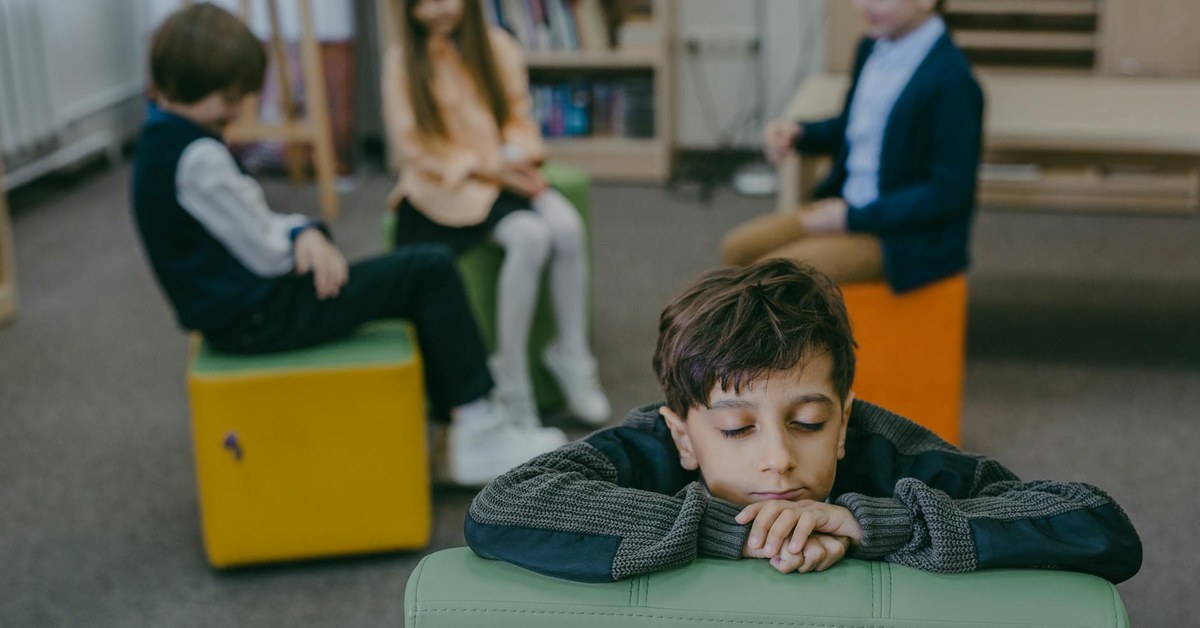
Boredom is the subjective experience of an unsatisfied desire for stimulation or engagement. It is uncomfortable, which is precisely why it motivates action. A child who is genuinely bored, in a safe environment with time and materials available, faces a problem: they need to find something engaging to do, and they have to find it themselves.
This is a different situation from a child who is entertained, directed, or given a screen to fill the gap. In the latter cases, stimulation is provided externally: the child's task is simply to receive it. In the former case, the child must generate something from within: they must draw on their own imagination, initiative, and problem-solving capacity. This internal generation is the engine of creative and self-directed development, and it requires the uncomfortable condition of boredom to start.
The Developmental Benefits of Boredom
Research on children's play and development identifies several specific benefits that emerge from unstructured, self-directed time:
- Creativity and imagination: Studies of creative thinking in children find that periods of unstructured time, including boredom, precede creative output. The mind, given space and the need to entertain itself, generates novel connections and ideas that directed activity does not produce. Children who are consistently entertained externally have less practice drawing on their own imaginative resources.
- Self-direction and initiative: The ability to identify what you want to do, to pursue it, to adjust when it does not work, and to sustain engagement with self-chosen activities, is a skill that develops with practice. Children who are always directed have fewer opportunities to develop this capacity than those who regularly have to direct themselves.
- Intrinsic motivation: Children who choose their own activities develop a different relationship with motivation than those who are always given activities. The experience of being genuinely interested in something, of pursuing it because you want to rather than because someone told you to, builds the intrinsic motivation that sustains learning and achievement across a lifetime.
- Emotional regulation: Tolerating discomfort, including the discomfort of boredom, is a regulatory skill. Children who are immediately rescued from every uncomfortable state have fewer opportunities to develop the capacity to tolerate and self-regulate through negative emotions.
- Deeper engagement: The activities that children generate from boredom tend to be more deeply engaging than those provided externally. A child who has invented their own game, built their own structure, or decided to investigate something in the garden, is typically more absorbed than one who is doing an activity provided by an adult.
Why Parents Find Children's Boredom Hard
The compulsion to resolve children's boredom immediately is understandable and has several sources. The child's direct complaint, in some cases accompanied by significant emotional expression, creates pressure to respond. The cultural norm that good parenting means keeping children engaged and stimulated is pervasive. And the availability of screens provides an immediately effective and low-effort solution that makes the alternative feel effortful by comparison.
It is also worth acknowledging that a genuinely bored, whining child is genuinely irritating to be around. The parental motivation to resolve boredom is partly about the child and partly about the relief from the child's complaints. Being honest about this helps parents respond deliberately rather than reactively.
How to Respond When Children Say They Are Bored
When a child says they are bored, the most productive responses are those that keep the responsibility for finding something to do with the child rather than solving it for them.
Simply expressing sympathy without immediately solving the problem is a useful first response: that sounds uncomfortable, I wonder what you might do. This acknowledges the feeling without immediately rescuing the child from it. Some children, particularly those accustomed to being rescued, will escalate their complaints: a calm, consistent parental response that does not immediately produce an adult-provided solution is itself a learning experience.
Having a basic list of possible activities available, not as a prescription but as a resource the child can draw on, can help younger children who genuinely need scaffolding to access self-direction. Art materials, building materials, a garden, books, and basic outdoor equipment support self-directed play without directing it.
Resisting the immediate offer of a screen as a solution to boredom is worth the short-term difficulty. Screens are infinitely stimulating and require almost no internal resource from the viewer: they are an effective antidote to boredom in the sense that they eliminate the uncomfortable state, but they do so by providing external stimulation rather than by allowing the child to generate their own. The developmental benefits of boredom are not achieved by filling it with screen time.
Building a Family Culture That Includes Unstructured Time
Protecting unstructured time in a family's schedule requires some deliberate choices in environments that push toward constant activity. Some practical considerations:
- Leave some time in the weekly schedule genuinely open: no activity, no plan, just available time that children can use as they choose.
- Resist the expectation that free time must be spent productively or on enriching activities: pottering, wandering, daydreaming, and apparently doing nothing are all legitimate uses of free time.
- Provide a physical environment that supports self-directed play: outdoor space, art materials, construction materials, and books are all more generative than screens for this purpose.
- Be comfortable with your own unstructured time. Parents who are perpetually busy and purposeful model that time without a specific goal is uncomfortable or wasted. Parents who can read, sit, garden, or simply be without a schedule communicate that unoccupied time is acceptable.
The paradox of boredom is that the children who can tolerate and use it become the least bored children: they have a rich internal world and self-directed capacity that generates engagement from within. The investment in allowing your child to be bored, however uncomfortable in the short term, is an investment in their capacity for a satisfying, self-directed life.