When Can Children Stay Home Alone? A Safety Guide
A practical guide to deciding when your child is ready to be left home alone, what safety preparations to make, and how to help your child feel confident and safe when you are not there.
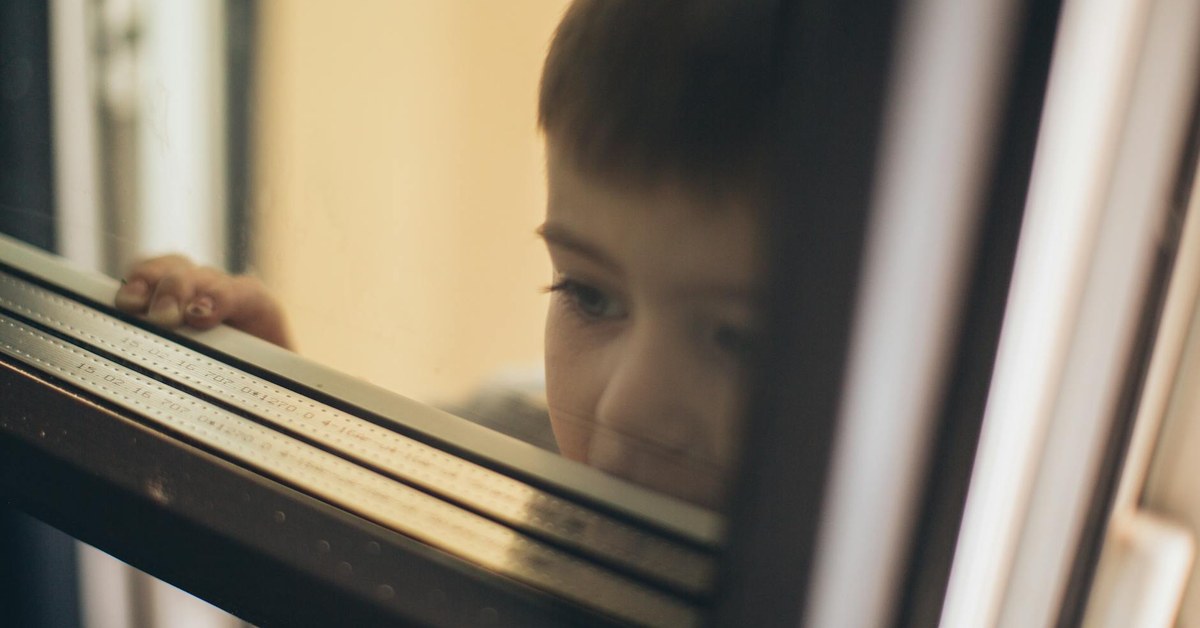

When Can Children Stay Home Alone? A Safety Guide
“A practical guide to deciding when your child is ready to be left home alone, what safety preparations to make, and how to help your child feel confident and safe when you are not there.”
When Is a Child Ready to Be Left Home Alone?
One of the questions parents commonly ask as their children grow is: when is it safe to leave my child at home alone? The answer is not as simple as a specific age, because readiness depends far more on the individual child and the specific circumstances than on a birthday.
In many countries, there is no minimum legal age for leaving a child home alone. Instead, the law typically requires parents not to leave a child in circumstances where they could come to harm. In practice, this means the responsibility lies with parents to make a realistic assessment of their child maturity, the duration of absence, and the safety of the environment.
As a general guide, most child safety organisations suggest that children under ten should not be left alone for any significant period, and that children under twelve should generally not be left for extended periods or overnight. However, a mature twelve-year-old and an immature twelve-year-old are very different propositions.
Assessing Your Child Readiness
Before leaving a child home alone, honestly consider whether they can:
- Remain calm in unexpected situations
- Know when and how to call for help
- Follow basic safety rules reliably without adult enforcement
- Manage their own basic needs (food, safety) for the relevant period
- Be trusted not to open the door to strangers
- Stay off social media or the internet unsafely for the duration
- Not invite friends over without permission
- Contact you and other trusted adults if needed
Start with very short periods when you are close by and reachable, and gradually extend the duration as your child demonstrates they can manage.
Preparing the Home
Before leaving your child home alone for the first time, walk through the home together and review safety basics:
- Show them how to use any locks on doors and windows and ensure they know to keep the door locked
- Review the location and basic use of the fire alarm and what to do if it sounds
- Identify any hazards in the home: gas hobs, ovens, power tools, and agree on what they are and are not permitted to use in your absence
- Make sure they know where the first aid kit is and have basic knowledge of simple first aid
- Ensure the home is stocked with easy-to-access food and drinks they can manage safely without cooking if they will be alone for a meal period
Emergency Contacts and Communication
Before you leave:
- Make sure your child has your phone number memorised and saved
- Provide a list of at least two additional trusted adults they can contact if they cannot reach you: a grandparent, neighbour, family friend
- Ensure they know the local emergency number (999 in the UK, 911 in North America, 112 in much of Europe and elsewhere)
- Agree on how they will check in with you and how often
- Let a trusted neighbour know your child will be home alone and ask them to be an available backup
Rules for When You Are Out
Agree clearly in advance on a set of rules for when your child is home alone. These might include:
- Never open the door to anyone they do not know, even if the person claims to be delivering something
- Do not tell anyone over the phone or online that they are home alone
- No friends over without prior permission
- Specific guidelines on cooking (for example, the microwave is fine, the hob is not)
- Screen time and social media rules remain in effect
- Contact you immediately if anything worrying happens or if they feel unsafe
Building Confidence Gradually
Being home alone for the first time can feel both exciting and daunting for a child. Building up to it gradually is important. Start with fifteen or twenty minutes while you are at a nearby location. Then extend to an hour. Have them check in by text or call so you both build confidence in the arrangement. Over several weeks, extend the duration as their comfort and competence grow.
Debrief briefly after each solo period: how did it go? Was anything harder than you expected? This gives you useful information and gives your child the opportunity to raise any concerns or questions they have.
Siblings
If you are considering leaving an older child responsible for a younger sibling, apply a higher standard of readiness. Being responsible for a younger child significantly increases the demands placed on the older one. Make sure the older child genuinely wants this responsibility and is not feeling coerced into it, and provide very clear guidance on what to do if the younger child has an accident, becomes unwell, or the situation becomes difficult to manage.