Children and AI: Navigating Chatbots, Deepfakes,
A guide for parents on helping children and teenagers navigate the new landscape of artificial intelligence, covering chatbots, AI-generated content, deepfakes, and building critical thinking skills for an AI-saturated world.

Children and AI: Navigating Chatbots, Deepfakes,
“A guide for parents on helping children and teenagers navigate the new landscape of artificial intelligence, covering chatbots, AI-generated content, deepfakes, and building critical thinking skills for an AI-saturated world.”
Artificial Intelligence and Children: A Rapidly Changing Landscape
Artificial intelligence has moved from a specialist technology topic to a central feature of children's digital lives in a remarkably short time. AI-powered tools including conversational chatbots, image and video generators, AI tutors, voice assistants, and recommendation algorithms now shape what children see, learn, and how they interact online. Most of this technology arrived faster than guidance frameworks, school curricula, or parental understanding has been able to keep pace with.
Children are often using AI tools extensively, sometimes in ways that create educational, safety, or privacy risks that neither they nor their parents are fully aware of. This guide aims to help parents understand the landscape well enough to have informed conversations with their children and to make appropriate decisions about AI use in their family.
Conversational AI Chatbots
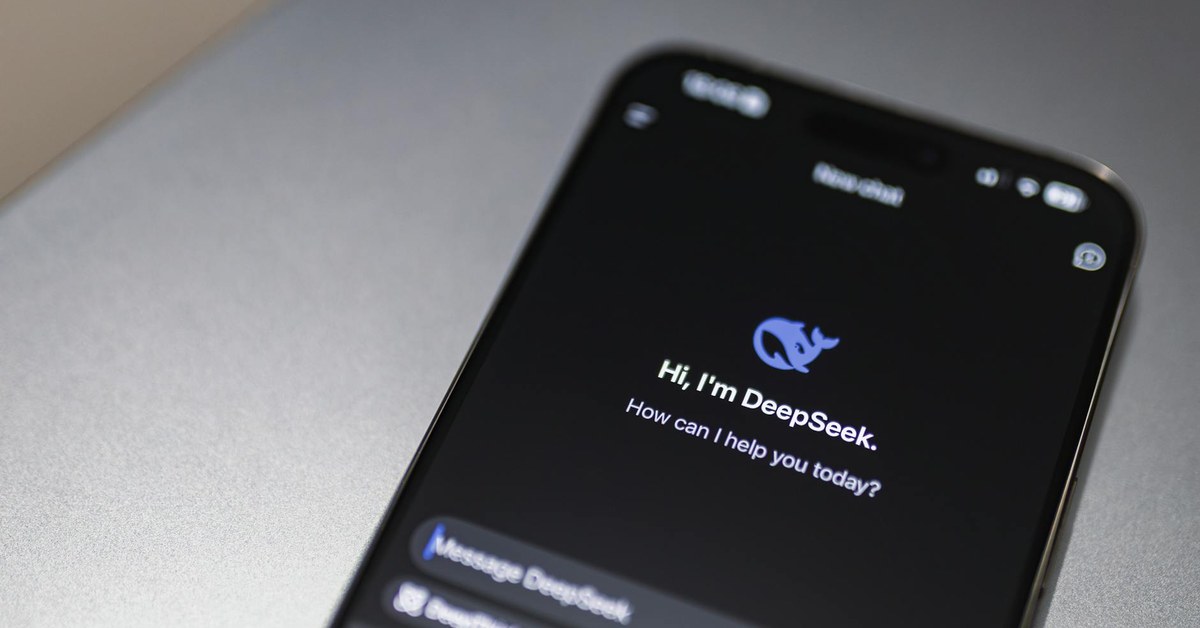
Conversational AI tools, including those based on large language models, are now widely accessible through websites, apps, and integrated into other platforms. Children use them for homework help, creative writing, entertainment, and, increasingly, as companions or confidants.
Key considerations for parents:
- Privacy: Conversational AI tools typically store conversations on their servers, and these conversations may be reviewed by humans for safety or quality purposes. Children should not share personal information, school details, home addresses, photographs, or anything they would not want to be seen by others in these conversations. Be explicit about this with your child.
- Accuracy: AI chatbots generate plausible-sounding text but are capable of producing confident-sounding incorrect information. They do not verify facts the way a search engine points to sources. Children who use AI for research or homework need to understand that they must verify AI-generated information through reliable sources before treating it as correct.
- Emotional attachment: Some AI companions are specifically designed to create emotional bonds with users. For lonely or isolated young people, this can become a substitute for human connection that may meet short-term social needs while reducing motivation to build real relationships. If your child seems to be spending significant time with AI companion apps, explore whether there are social or emotional needs underlying this that would be better addressed through human connection.
- Age appropriateness: Most major AI tools have minimum age requirements, typically 13 or 18. These exist for reasons including data privacy and the appropriateness of some content that these tools can generate. Check the terms of any AI tool your child uses.
AI-Generated Images and Videos
AI image and video generators can now create highly realistic content from text descriptions, and the same technology can manipulate real photographs and video. This creates several concerns for children and teenagers:
- Deepfakes: Realistic-looking fabricated images or videos of real people can be created using AI. There have been documented cases of AI-generated intimate images being created of real teenagers without their consent, used for harassment or extortion. This is a form of abuse and is illegal in many jurisdictions. Teenagers should understand that this technology exists and that any apparent evidence of something they did not do may be fabricated.
- Misinformation: AI-generated images and video can be used to create convincing-looking false information, including images of events that never occurred or statements attributed to people who never made them. Teaching children to be sceptical of dramatic-seeming images and videos, particularly those they have not encountered through trusted news sources, is increasingly important.
- Misuse by children: Some children and teenagers use AI image generators to create inappropriate or harmful content involving real people, including peers. This can constitute harassment and in some contexts is a criminal offence. Ensure your child understands that using AI to create images of real people without their consent is both unethical and potentially illegal.
AI in Education
AI tools are increasingly used in educational contexts, including AI tutors, writing assistants, and tools that generate practice problems. These have genuine educational value when used appropriately. The primary concern in educational contexts is academic integrity: using AI to complete work that should be the student's own.
Have honest conversations with your child about their school's policy on AI use, and about your own values around learning. A student who uses AI to produce work they then submit as their own may get better grades in the short term but misses the learning the work was designed to provide. They are also potentially at risk of academic consequences if detected.
The more nuanced use of AI as a learning tool, asking it to explain a concept in a different way, to generate practice problems, or to provide feedback on a draft, is generally supportive of learning rather than a replacement for it.
Recommendation Algorithms as AI
Many parents do not immediately think of social media recommendation algorithms as AI, but they are: sophisticated systems that use machine learning to predict and surface content that will maximise a user's engagement. The consequences of these systems for children have been discussed extensively in relation to radicalisation, eating disorders, and other harms: the algorithm serves content that keeps users watching, and very engaging content is often emotionally provocative.
Help older children understand how these systems work: the algorithm is trying to predict what will keep you engaged, not what is good for you. Content that makes you feel angry, anxious, or excited keeps people watching longer than neutral content. This understanding is a form of media literacy that helps children make more intentional choices about what they watch and how much time they spend on algorithmically-driven platforms.
Building Critical Thinking About AI
The most durable protection children can develop is the habit of critical thinking about AI-generated and AI-mediated content. Key questions to encourage:
- Was this created by a human or by AI? Does it matter?
- Could this image or video have been manipulated or fabricated?
- Is this information verified, or is it something an AI generated?
- Why am I being shown this content, and what is the system trying to achieve by showing it to me?
These habits of mind are not always comfortable: a world in which images may be fake and information may be generated rather than researched is a more uncertain one. But equipping children with these tools of critical thinking prepares them to navigate it with more confidence and fewer serious mistakes than those who take everything at face value.