Cold Weather Safety: Hypothermia, Frostbite, and Staying
Cold weather can kill quickly and silently. This guide covers everything young adults need to know about hypothermia, frostbite, and staying safe in freezing conditions, whether at home, outdoors, or travelling in winter.

Cold Weather Safety: Hypothermia, Frostbite, and Staying
“Cold weather can kill quickly and silently. This guide covers everything young adults need to know about hypothermia, frostbite, and staying safe in freezing conditions, whether at home, outdoors, or travelling in winter.”
Cold Weather Is More Dangerous Than Most People Realise
Every year, thousands of people around the world die from cold-related illness. Some are elderly and vulnerable in poorly heated homes. Some are homeless and without shelter. But a significant proportion are healthy young people who underestimated the cold, were underprepared, or did not recognise the warning signs until it was too late. Cold weather does not just make you uncomfortable. Under the right conditions, it can kill within hours.
This guide is written for young adults who spend time outdoors in winter, who travel to cold climates, who participate in winter sports, or who simply want to be better prepared for the colder months. Understanding how cold affects the body, how to recognise danger, and how to respond is knowledge that could one day save your life or someone else's.
How Cold Affects the Human Body
The human body works hard to maintain a core temperature of around 37 degrees Celsius. When you are exposed to cold, your body responds through a series of physiological mechanisms: shivering to generate heat, constricting blood vessels in the extremities to preserve warmth in the vital organs, and redirecting blood flow away from the skin and limbs. These responses are effective in mild cold, but in prolonged or severe cold, they are not enough.
As your core temperature drops, the consequences become increasingly serious. At around 35 degrees Celsius, you are technically hypothermic. Cognitive function begins to decline. Coordination deteriorates. Judgement becomes impaired, which is particularly dangerous because the person experiencing hypothermia is often the last to recognise how serious their situation has become. At lower core temperatures, the heart begins to beat irregularly, and below 28 degrees Celsius, the risk of cardiac arrest rises sharply.
What makes cold exposure particularly insidious is that impaired judgement is one of its earliest symptoms. People in the early stages of hypothermia have been known to make poor decisions, including, in some documented cases, removing their clothing, a paradoxical phenomenon sometimes called paradoxical undressing. By the time someone else notices something is wrong, the situation may already be serious.
Understanding Hypothermia
Hypothermia occurs when the body loses heat faster than it can produce it, resulting in a dangerously low core temperature. It does not require arctic conditions. Hypothermia can occur in temperatures well above freezing, particularly when wind, rain, or immersion in cold water are involved. A wet, windy day at 10 degrees Celsius can be more dangerous than a calm, dry day at minus five, because moisture and wind both dramatically accelerate heat loss.
Recognising the Stages
Mild hypothermia (core temperature between 32 and 35 degrees Celsius) presents with intense shivering, pale or bluish skin, slurred speech, poor coordination, and confusion. The person may seem unusually clumsy or make unusual decisions. They may deny that anything is wrong.
Moderate hypothermia (28 to 32 degrees Celsius) involves worsening confusion, drowsiness, and a significant reduction or cessation of shivering. Paradoxically, the stopping of shivering is not a sign of recovery. It is a sign that the body has exhausted its heat-generating reserves and is in serious trouble.
Severe hypothermia (below 28 degrees Celsius) involves unconsciousness, very slow or absent breathing, an extremely slow pulse that may be difficult to detect, and a risk of cardiac arrest. At this stage, the situation is life-threatening and requires immediate emergency medical attention.
What to Do if You Suspect Hypothermia
If you believe someone is hypothermic, call emergency services immediately, especially if their symptoms are moderate or severe. While waiting for help, move the person out of the cold and wind if at all possible. Remove any wet clothing gently and insulate them with dry blankets, sleeping bags, or whatever is available, covering the head as well as the body. Do not rub or massage the limbs vigorously, as this can drive cold blood from the extremities to the core and worsen the condition. Do not give alcohol, as it dilates blood vessels and increases heat loss despite creating a feeling of warmth.
If the person is conscious and able to swallow, warm non-alcoholic drinks can help, but the priority is insulation and medical care. In wilderness situations far from help, rewarming protocols are more complex, and basic first aid training specific to cold environments is strongly recommended for anyone who spends significant time outdoors in winter.
Understanding Frostbite
While hypothermia affects the whole body, frostbite is a localised injury caused by the freezing of tissue. When the body is cold, it prioritises protecting the vital organs by reducing blood flow to the extremities. The fingers, toes, ears, nose, and cheeks are the most commonly affected areas, as they are farthest from the core and have the least insulation.
The Stages of Frostbite
Frostnip is the mildest form, involving redness, numbness, and tingling in the affected area but no permanent tissue damage. Warming the area gently, by placing cold hands in warm armpits or using body heat, is usually sufficient, and full recovery is expected.
Superficial frostbite involves the skin feeling hard or waxy on the surface but remaining soft underneath. The skin may appear white or greyish-yellow. There may be blistering within 24 to 36 hours of rewarming. With appropriate treatment, full recovery is usually possible, though the area may remain sensitive to cold for some time.
Deep frostbite is a serious injury involving the full thickness of the skin and potentially deeper tissues including muscle and bone. The affected area feels completely hard, is grey or black in colour, and the person may feel no pain at all due to nerve damage. Deep frostbite can result in permanent tissue loss and, in severe cases, amputation.
Treating Frostbite
For anything beyond frostnip, seek medical attention as quickly as possible. Do not rub frostbitten tissue. Do not rewarm frostbitten extremities if there is any chance of refreezing, as freeze-thaw-refreeze cycles cause significantly more damage than remaining frozen. Do not walk on frostbitten feet unless absolutely necessary for survival. Keep the affected area elevated if possible to reduce swelling.
In a medical setting, controlled rewarming in warm (not hot) water is the standard treatment, but this should only be done when there is no risk of refreezing and ideally under medical supervision.
High-Risk Situations for Young Adults
Knowing the medical facts is essential, but understanding the situations in which young adults are most vulnerable helps you take practical precautions.
Winter Outdoor Activities
Hiking, skiing, snowboarding, mountaineering, and winter camping all involve extended cold exposure, often in remote locations far from help. The risks are compounded by physical exertion, which can lead to sweating and subsequent rapid cooling when you stop moving, as well as by changing weather conditions that can make a safe day trip unexpectedly dangerous.
Always check the weather forecast before heading out. Tell someone where you are going and when you expect to return. Carry emergency gear including a foil emergency blanket, a first aid kit, extra food, a means of starting fire, and navigation tools that do not rely solely on a phone battery.
Alcohol and Cold Weather
Alcohol consumption significantly increases the risk of cold injury. Alcohol dilates blood vessels, increasing heat loss and creating a false sensation of warmth. It also impairs judgement, coordination, and the ability to recognise warning signs. A significant proportion of hypothermia deaths involve alcohol, particularly among young men who fall asleep outdoors after drinking. If you are drinking in cold weather, plan your journey home in advance, ensure you have warm clothing, and never sleep outside.
Immersion in Cold Water
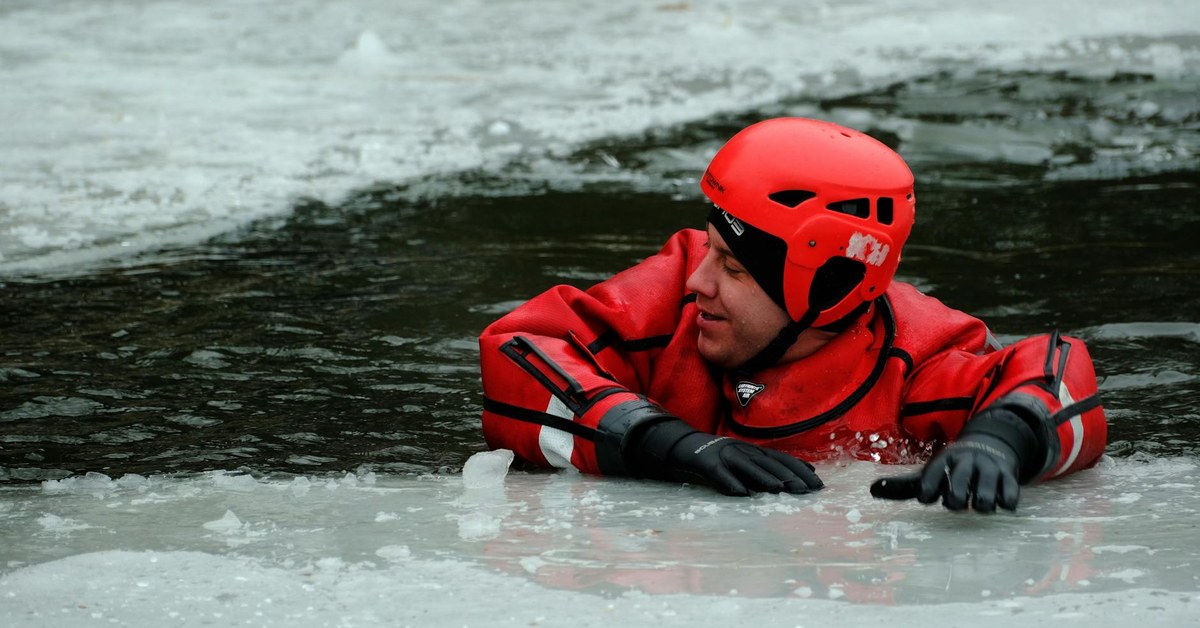
Cold water immersion is one of the fastest routes to hypothermia. Water conducts heat away from the body approximately 25 times faster than air at the same temperature. If you fall into cold water, the immediate priority is to get out as quickly as possible. If you cannot get out, adopt the HELP position (Heat Escape Lessening Posture), drawing your knees to your chest and crossing your arms over your body to conserve heat. Do not attempt to swim to shore unless it is very close, as the exertion increases heat loss and exhaustion can be rapid in cold water.
Anyone who participates in water sports in cold conditions should understand cold water shock, which occurs in the first few minutes of immersion and can cause uncontrolled gasping, hyperventilation, and cardiac events even in fit young people. Wearing a buoyancy aid can be lifesaving if cold water shock causes a person to become incapacitated.
Dressing for Cold Weather: The Layering System
Proper clothing is the most effective defence against cold injury. The layering system is the most reliable approach for managing warmth and moisture across changing conditions.
The base layer sits next to your skin and should wick moisture away from the body. Merino wool and synthetic fabrics perform well in this role. Cotton is a poor choice in cold weather because it absorbs moisture and loses its insulating properties when wet.
The mid layer provides insulation and should retain warmth even when slightly damp. Fleece, down, and synthetic insulation are all effective options. Down is exceptionally warm for its weight but loses its insulating value when wet. Synthetic alternatives perform better in wet conditions.
The outer layer protects against wind and rain. A good waterproof and windproof shell dramatically reduces the rate of heat loss in adverse weather conditions.
Do not neglect your extremities. Insulated gloves or mittens (mittens are warmer), a hat that covers the ears, and warm socks in waterproof boots are essential in serious cold. A balaclava or neck gaiter can also make a significant difference in very cold or windy conditions.
Staying Safe in Cold Urban Environments
Cold weather safety is not only relevant to those in wild or remote settings. Urban cold can also be dangerous, particularly for those who are poorly housed, those who work outdoors, those who are intoxicated, and those who are simply dressed inadequately for a colder-than-expected evening.
Know the location of warming centres or shelters in your city. If you see someone who appears to be in cold distress, call emergency services. Pay attention to weather warnings, especially around wind chill, which can make temperatures feel significantly colder than the thermometer reading suggests. A temperature of minus 10 degrees Celsius with a strong wind can feel like minus 25 and cause frostbite on exposed skin in minutes.
Being Prepared Before You Go Anywhere Cold
If you are travelling to a cold climate, take time to research the typical weather conditions, prepare your clothing and equipment accordingly, and learn the basic signs of cold injury before you go. This is especially important for people travelling from warmer countries who may have little experience of genuine winter conditions.
Basic wilderness first aid training that includes cold weather protocols is a worthwhile investment for anyone who spends significant time outdoors. Many outdoor organisations and university mountaineering clubs offer affordable courses that cover these skills in a practical setting.
Cold weather is not something to fear, but it demands respect. With the right knowledge, the right clothing, and sensible preparation, winter can be one of the most rewarding seasons to be outside. Understanding the risks is the first step to managing them confidently and safely.