Beyond the Bell: Comprehensive Community & School Strategies for Safer School Runs
Discover comprehensive strategies for safer school runs. Learn how communities, schools, and parents can collaborate on initiatives, infrastructure, and education for child safety.
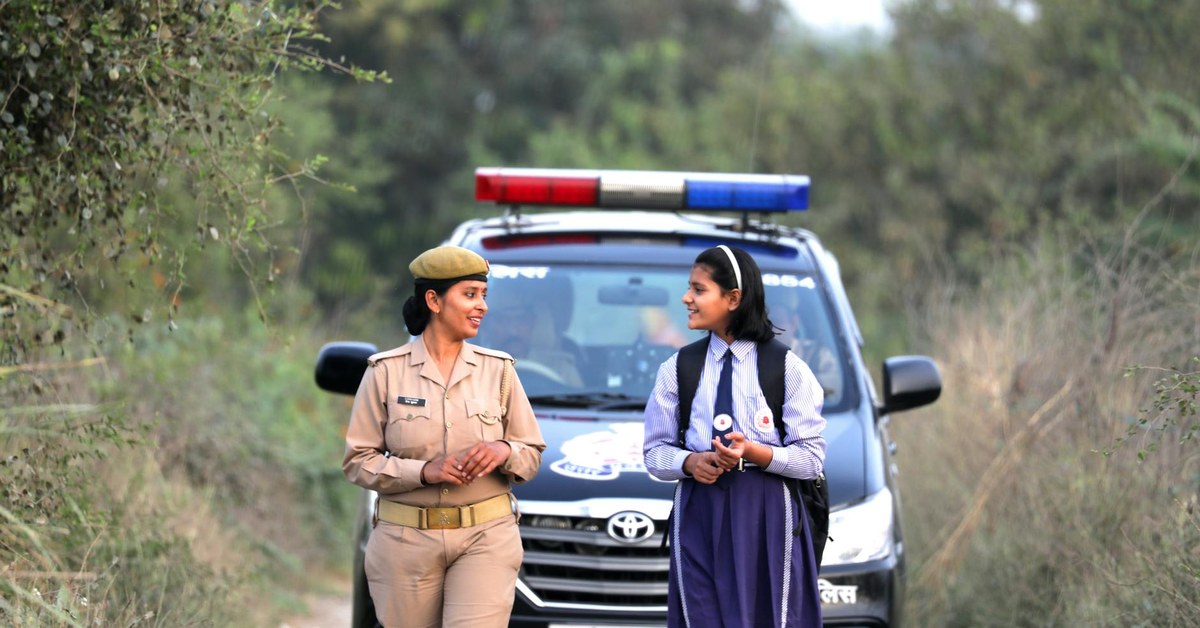

Beyond the Bell: Comprehensive Community & School Strategies for Safer School Runs
“Discover comprehensive strategies for safer school runs. Learn how communities, schools, and parents can collaborate on initiatives, infrastructure, and education for child safety.”
Ensuring children’s safety on their journey to and from school is a paramount concern for parents, educators, and local authorities alike. The daily school run, far from being a simple commute, presents a unique set of challenges and risks that require a concerted, collaborative effort. Developing robust community school run safety strategies is essential to protect children, foster independence, and encourage active travel. This article explores how integrated approaches, spanning infrastructure, education, and active collaboration, can transform school zones into safer environments for every child.
Understanding the Challenges of School Journeys
The path between home and school can expose children to various hazards, from busy roads and traffic congestion to environmental factors and social risks. Recognising these challenges is the first step towards creating effective safety measures.
Common Risks Faced by Children
- Traffic Hazards: According to a 2022 report by the World Health Organisation (WHO), road traffic injuries are a leading cause of death for children and young adults aged 5-29 years globally. Children are particularly vulnerable as pedestrians and cyclists due to their developing cognitive and perceptual skills, smaller stature, and limited experience with traffic. Speeding vehicles, distracted drivers, and inadequate crossing facilities significantly heighten these risks.
- Stranger Awareness: While relatively rare, concerns about stranger danger remain a significant worry for many families. Children need to understand how to react appropriately if approached by an unfamiliar person.
- Environmental Obstacles: Poor lighting, uneven pavements, lack of dedicated cycle paths, and overgrown vegetation can create unsafe conditions, increasing the likelihood of accidents or falls.
- Bullying and Peer Pressure: The journey to and from school can be a time when children are more susceptible to bullying, away from the direct supervision of adults. Peer pressure can also lead to risk-taking behaviours, such as jaywalking or cycling without a helmet.
- Weather Conditions: Adverse weather, such as heavy rain, snow, or strong winds, can make journeys more perilous, reducing visibility for drivers and making surfaces slippery for pedestrians and cyclists.
An expert in child protection noted, “Children’s journeys to school are complex environments where multiple risks converge. Effective safety planning must therefore be holistic, addressing not just physical dangers but also social and psychological vulnerabilities.”
Key Takeaway: Recognising the diverse range of risks—from traffic accidents and stranger danger to environmental obstacles and bullying—is fundamental to developing comprehensive and effective school run safety strategies.
Pillars of Community School Run Safety Strategies
Effective community school run safety strategies are built upon several interconnected pillars, each contributing to a safer environment. These include infrastructure improvements, educational programmes, robust enforcement, innovative technology, and strong parent-school-community collaboration.
Infrastructure and Environmental Enhancements
Physical changes to the school surroundings can dramatically improve safety. These measures often fall under broader “Safe Routes to School” programmes, which aim to make walking and cycling to school safer and more appealing.
- Improved Pedestrian Crossings: Installing clearly marked zebra or pelican crossings, often with flashing lights or audible signals, provides safe passage across busy roads. Raised crossings can also act as traffic calming measures.
- Dedicated Cycle Lanes and Paths: Separating cyclists from vehicle traffic significantly reduces accident risk. Where dedicated lanes are not feasible, clear road markings and shared-use paths can still enhance safety.
- Traffic Calming Measures: Speed humps, chicanes, narrower roads, and designated 20 mph (or equivalent) zones around schools force drivers to reduce speed, making the area safer for vulnerable road users.
- Enhanced Lighting: Well-lit pathways, pavements, and crossings are crucial, especially during darker winter months or early morning commutes, improving visibility for both children and drivers.
- Clear Signage and Road Markings: Highly visible signs indicating “School Zone,” “Children Crossing,” or “Slow Down” serve as constant reminders to drivers.
- Safe Drop-off and Pick-up Zones: Designing specific, clearly marked areas for vehicle drop-off and pick-up can reduce congestion directly outside school gates, preventing chaotic and dangerous situations. These zones should be away from main thoroughfares where possible.
The charity Sustrans, which champions active travel, highlights that “investing in safe, accessible infrastructure around schools not only protects children but also encourages more families to choose active travel, leading to healthier, more sustainable communities.”
Education and Awareness Programmes
Education is a powerful tool in promoting safety. Programmes should target children, parents, and drivers to foster a culture of awareness and responsibility.
For Children (Age-Specific Guidance):
- Ages 4-7 (Early Years): Focus on basic concepts like holding an adult’s hand, stopping at the kerb, looking left and right, and recognising safe crossing points. The “Green Cross Code” (or local equivalent) should be introduced through engaging, interactive lessons.
- Ages 8-11 (Primary School): Build on foundational knowledge, teaching children to assess traffic, understand road signs, and choose safe routes. Cycling proficiency schemes are highly beneficial at this age, often run in collaboration with local police or community groups. Stranger awareness training, focusing on “Run, Tell, Yell” strategies and never going with an unknown person, is also vital.
- Ages 12+ (Secondary School): Empower older children with skills for independent travel, including navigating public transport safely, understanding the risks of distracted walking (e.g., using mobile phones), and responsible cycling practices. Discussions about peer pressure and safe decision-making are crucial.
For Parents:
- Safe Driving Habits: Campaigns promoting adherence to school zone speed limits, avoiding illegal parking, and refraining from using mobile phones while driving.
- Drop-off/Pick-up Protocols: Clear guidelines on designated zones, avoiding U-turns, and ensuring children exit/enter vehicles on the pavement side.
- Active Travel Encouragement: Information on walking buses, cycle trains, and the benefits of active commutes for health and environmental reasons.
- Stranger Awareness Reinforcement: Guidance on how to discuss stranger awareness with children without instilling undue fear.
- [INTERNAL: promoting active travel for families]
For Drivers:
- Public Awareness Campaigns: Local councils and schools can collaborate on campaigns reminding drivers about increased child presence around schools, especially during peak hours.
- Community Speed Watch Schemes: Volunteer-led initiatives where trained community members monitor vehicle speeds with detection devices, reporting offenders to local police.
Enforcement and Regulation
Consistent enforcement of traffic laws and school zone regulations is vital to ensure compliance and deter unsafe behaviours.
- Traffic Wardens and School Crossing Patrols: The visible presence of trained personnel at busy crossings during school hours provides direct supervision and assistance for children.
- Police Presence: Regular patrols by local police near schools can deter speeding, illegal parking, and other dangerous driving practices.
- Speed Cameras and ANPR (Automatic Number Plate Recognition): Strategically placed cameras can enforce speed limits and parking restrictions, issuing fines to offenders.
- Parking Restrictions: Clearly marked “no stopping” or “restricted parking” zones around school entrances prevent congestion and maintain clear sightlines.
An expert in local authority planning stated, “Enforcement acts as a critical deterrent. Without consistent application of rules, even the best infrastructure and education programmes can be undermined by a minority of irresponsible drivers.”
Technology and Innovation
Modern technology offers new avenues for enhancing school run safety.
- School Bus Tracking Apps: For children using school transport, apps that allow parents to track the bus’s location in real-time provide reassurance and improve coordination.
- Community Watch Apps: Localised apps can enable parents and community members to report concerns (e.g., suspicious activity, infrastructure issues) directly to relevant authorities or school administration.
- Smart Traffic Signals: Adaptive traffic lights that prioritise pedestrian crossings during school rush hours can improve flow and safety.
- CCTV Surveillance: Cameras in public areas around schools can deter anti-social behaviour and provide evidence in case of incidents.
- GPS Trackers for Children: For older children gaining independence, discreet GPS trackers can offer parents peace of mind, though privacy considerations must be carefully managed.
Parent, School, and Community Collaboration
True parent-school safety collaboration forms the backbone of successful community school run safety strategies. When all stakeholders work together, initiatives are more effective and sustainable.
- School Safety Committees: Establish a committee comprising school staff, parents, local police, council representatives, and community members. This group can identify risks, propose solutions, and oversee implementation.
- Walking Buses and Cycle Trains: Organised groups of children who walk or cycle to school together, supervised by adult volunteers. These initiatives provide safety in numbers, promote active travel, and reduce vehicle traffic.
- Regular Communication Channels: Schools should maintain open lines of communication with parents regarding safety concerns, new initiatives, and incident reporting. Newsletters, school apps, and parent-teacher meetings are effective platforms.
- Community Engagement Events: Host “School Safety Days” or “Walk to School Weeks” to raise awareness, educate families, and celebrate active travel.
- Volunteer Programmes: Encourage parents and community members to volunteer for roles such as school crossing patrols (where official ones are not available) or supervising drop-off zones.
- [INTERNAL: fostering effective parent-school partnerships]
Implementing Effective School Zone Safety Initiatives
Launching and sustaining school zone safety initiatives requires a structured approach. Here is a step-by-step guide for communities looking to enhance safety:
- Form a Collaborative Working Group: Bring together representatives from the school, parent-teacher associations, local council (transport, planning, police), and community groups.
- Conduct a Safety Audit: Walk or cycle the routes children typically take to school. Identify hazards (e.g., lack of pavements, poor lighting, busy crossings, blind spots). Collect data on traffic speeds, accident hotspots, and parking issues. Engage children in this process, asking them about their concerns.
- Gather Community Input: Organise public meetings, surveys, or online forums to understand the community’s priorities and concerns. This fosters ownership and ensures solutions are relevant.
- Develop an Action Plan: Based on the audit and community input, prioritise issues and develop specific, measurable, achievable, relevant, and time-bound (SMART) objectives. This plan should outline proposed infrastructure changes, educational programmes, enforcement strategies, and collaborative initiatives.
- Secure Funding and Resources: Explore grants from local authorities, national government programmes (e.g., for active travel), charitable foundations, or school fundraising efforts. Local businesses might also offer sponsorship.
- Implement and Monitor: Roll out the planned initiatives. Crucially, establish mechanisms for ongoing monitoring and evaluation. Are the new crossings being used effectively? Have accident rates decreased? Are more children walking or cycling?
- Review and Adapt: Regularly review the effectiveness of the strategies. What worked well? What needs improvement? Be prepared to adapt the plan based on feedback and results.
| Passive Safety Measures | Active Safety Measures |
|---|---|
| Speed humps, chicanes | School Crossing Patrols |
| Dedicated cycle lanes | Walking Buses / Cycle Trains |
| Improved lighting | Road safety education for children |
| Clear signage, road markings | Parent awareness campaigns |
| Safe drop-off/pick-up zones | Community Speed Watch |
| CCTV surveillance | Police patrols and enforcement |
Key Takeaway: Successful school zone safety initiatives require a systematic approach, beginning with a thorough safety audit and community engagement, leading to a funded action plan, and culminating in continuous monitoring and adaptation.
Age-Specific Considerations for Safe School Journeys
Children’s developmental stages profoundly influence their ability to navigate their environment safely. Safety strategies must therefore be tailored to different age groups.
Early Years (Ages 4-7)
At this age, children have limited road sense, poor peripheral vision, and difficulty judging speed and distance. Full adult supervision is essential.
- Guidance: Always hold an adult’s hand. Practice crossing the road safely with an adult. Wear bright, reflective clothing.
- School Role: Ensure secure drop-off/pick-up procedures. Educate parents on the need for supervision.
- Community Role: Prioritise safe, wide pavements and clear, supervised crossings around schools.
Primary School (Ages 8-11)
Children begin to develop more independence but still require significant guidance. They can learn to make safer choices but are still susceptible to distractions.
- Guidance: Participate in cycling proficiency courses. Learn and practice the Green Cross Code independently (with adult supervision initially). Understand stranger awareness protocols. Travel with friends or in walking buses.
- School Role: Implement road safety curriculum. Organise walking buses and cycle trains.
- Community Role: Provide safe cycle paths and pedestrian routes. Support community-led supervision programmes.
Secondary School (Ages 12+)
Teenagers are typically more independent, often travelling alone or with peers. Risks can include distracted walking, peer pressure, and navigating public transport.
- Guidance: Understand safe use of public transport. Be aware of surroundings; avoid distractions like mobile phones or headphones when near roads. Be responsible cyclists (helmets, lights). Know how to report concerns.
- School Role: Offer sessions on public transport safety, personal safety, and responsible independent travel. Provide information on safe routes.
- Community Role: Ensure public transport routes are safe and well-lit. Maintain clear, safe pedestrian and cycle infrastructure.
What to Do Next
Implementing comprehensive community school run safety strategies is an ongoing commitment. Here are immediate steps your family, school, or community can take:
- Initiate a Local Safety Audit: Work with your school or local council to conduct a walk-through of common school routes, identifying specific hazards and areas for improvement.
- Join or Form a School Safety Committee: Volunteer to be part of a group dedicated to school run safety, bringing together parents, school staff, and local authorities to collaborate on solutions.
- Participate in Active Travel Schemes: Get involved in or help organise a walking bus or cycle train, promoting safer, healthier commutes for children in your neighbourhood.
- Educate Your Children (and Yourself): Regularly review road safety rules, stranger awareness tips, and safe cycling practices with your children, tailored to their age and independence level.
- Advocate for Infrastructure Improvements: Contact your local council to highlight specific safety concerns, such as the need for better crossings, reduced speed limits, or improved lighting around schools.
Sources and Further Reading
- World Health Organisation (WHO): Road Safety. [www.who.int/news-room/fact-sheets/detail/road-traffic-injuries]
- UNICEF: Child Safety and Injury Prevention. [www.unicef.org/protection/child-safety-and-injury-prevention]
- NSPCC: Keeping Children Safe. [www.nspcc.org.uk/keeping-children-safe]
- Sustrans: Safe Routes to School. [www.sustrans.org.uk/our-work/programmes/safe-routes-to-school]
- Royal Society for the Prevention of Accidents (RoSPA): Road Safety for Children. [www.rospa.com/road-safety/advice/children]