Contraception and Reproductive Health
Understanding your contraceptive options, how they work, and where to access them is a fundamental part of reproductive health. This guide covers the main methods available and the questions worth asking.

Contraception and Reproductive Health
“Understanding your contraceptive options, how they work, and where to access them is a fundamental part of reproductive health. This guide covers the main methods available and the questions worth asking.”
Why Reproductive Health Knowledge Matters
Reproductive health knowledge is a practical necessity for anyone who is sexually active. Understanding how different contraceptive methods work, their effectiveness, their side effects, and how to access them enables informed decision-making about your own body and health. Yet many young adults navigate these decisions with incomplete information, relying on sources that are inconsistent in accuracy or detail.
This guide provides a clear overview of the main contraceptive options available, how they work, and what questions to ask when speaking with a healthcare provider about your own choices.
How Effectiveness Is Measured
Contraceptive effectiveness is typically reported in two ways: perfect use and typical use. Perfect use reflects effectiveness when the method is used exactly as directed every single time. Typical use reflects effectiveness in real-world conditions, accounting for the human errors and inconsistencies that occur in practice. The gap between these figures varies significantly by method and is an important consideration when comparing options.
Effectiveness is usually expressed as the number of people out of 100 who would become pregnant over one year of using a particular method. A method with 99% effectiveness means 1 in 100 people using it over a year would become pregnant. No method except abstinence is 100% effective.
Barrier Methods
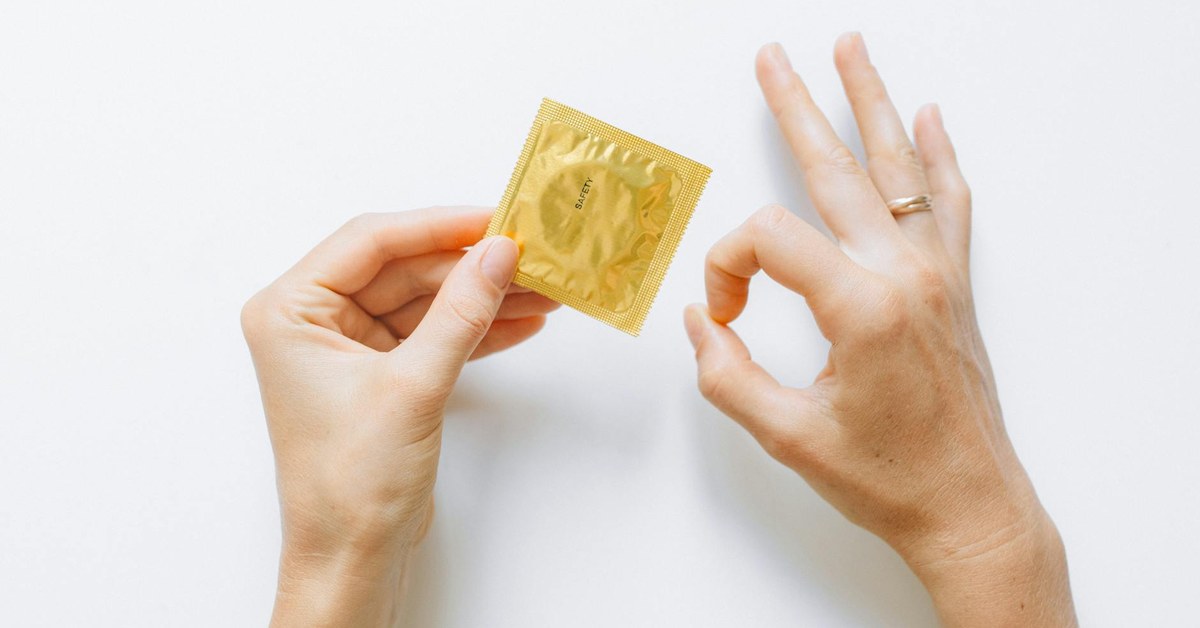
Male condoms, when used correctly and consistently, are around 98% effective with perfect use and around 87% effective with typical use. They are the only contraceptive method that also provides significant protection against sexually transmitted infections and should be used alongside other contraceptive methods when STI protection is also a priority. Female condoms are less commonly used but also provide both contraceptive and STI protection. Condoms are widely available without prescription from pharmacies, supermarkets, and sexual health services, and in many countries are available free through sexual health clinics or healthcare providers.
Diaphragms and cervical caps are barrier methods that are inserted before sex and must be used with spermicide. They are less effective than condoms and do not protect against STIs. They require fitting by a healthcare provider to ensure the correct size.
Hormonal Contraception
The combined oral contraceptive pill contains synthetic versions of oestrogen and progestogen and works primarily by preventing ovulation. With perfect use it is over 99% effective; with typical use around 93% effective. It requires a daily pill taken at roughly the same time each day. It is not suitable for everyone, including people who smoke and are over 35, people with certain health conditions, and people who experience migraines with aura. It can have side effects including changes in mood, libido, and bleeding patterns, though these vary significantly between different formulations and between individuals.
The progestogen-only pill, sometimes called the mini-pill, contains only progestogen and is suitable for a wider range of people, including those for whom oestrogen-containing methods are not recommended. Effectiveness is similar to the combined pill with consistent use, but it is more sensitive to timing in some formulations. A newer progestogen-only pill containing desogestrel has a 12-hour window for taking the pill, which many people find more forgiving than older formulations with a 3-hour window.
The contraceptive patch and vaginal ring work similarly to the combined pill and contain the same types of hormones, but are used on weekly or monthly cycles respectively rather than requiring a daily pill.
Injectable contraception delivers progestogen by injection every 8 to 12 weeks depending on the formulation. It is highly effective and requires no daily action. However, it can take several months for fertility to return after stopping, which is worth considering if you are planning to conceive in the near future.
Long-Acting Reversible Contraception
Long-acting reversible contraceptive methods are among the most effective options available and are reversible, meaning fertility returns quickly after removal.
The implant is a small flexible rod inserted under the skin of the upper arm by a trained healthcare provider. It releases progestogen continuously and is effective for three years, with effectiveness of over 99%. It is one of the most effective contraceptive methods available. Some people experience changes to their bleeding pattern, ranging from no bleeding at all to irregular spotting.
The intrauterine device comes in two main forms: the hormonal IUS, which releases progestogen locally within the uterus and is effective for three to eight years depending on the type; and the copper IUD, which is hormone-free and works by creating an environment hostile to fertilisation, effective for five to ten years. Both are over 99% effective. Insertion is performed by a trained healthcare provider and can be uncomfortable, though this varies considerably between individuals. The copper IUD can also be used as emergency contraception if inserted within five days of unprotected sex.
Emergency Contraception
Emergency contraception is used after unprotected sex or contraceptive failure such as a broken condom. The emergency contraceptive pill, often called the morning-after pill, is most effective when taken as soon as possible after unprotected sex and less effective as time passes. Different formulations have different time windows: levonorgestrel-based pills are licensed for up to 72 hours; ulipristal acetate is effective for up to 120 hours and is more effective later in the window. Emergency contraceptive pills are not abortion pills and do not end an existing pregnancy. They work primarily by delaying or preventing ovulation.
The copper IUD is the most effective form of emergency contraception, with over 99% effectiveness if inserted within five days of unprotected sex, and it then continues to provide ongoing contraception.
Accessing Contraception
Contraception is available through GPs, sexual health clinics, and in many countries from pharmacies without prescription for some methods. Sexual health clinics offer the full range of contraceptive options, often with shorter waiting times than GPs. In many countries, contraception is free or subsidised through healthcare systems. University health services frequently provide comprehensive reproductive health services specifically for students.
When accessing contraceptive services, being honest with the healthcare provider about your health history, any medications you take, and your preferences helps them advise you on the most suitable options. Contraceptive choices are personal and can be changed if a method does not suit you.
Reproductive Health Beyond Contraception
Reproductive health includes cervical screening, STI testing, and awareness of reproductive conditions such as polycystic ovary syndrome and endometriosis, which are common and often go undiagnosed for years. If you experience significant pain during periods, irregular cycles, or other symptoms that affect your quality of life, these are worth discussing with a healthcare provider rather than assuming they are a normal part of menstruation.