Crafting Unwavering Body Confidence and Emotional Resilience
Discover how to build unwavering body confidence and emotional resilience from within. Learn strategies for lasting self-acceptance & inner strength.
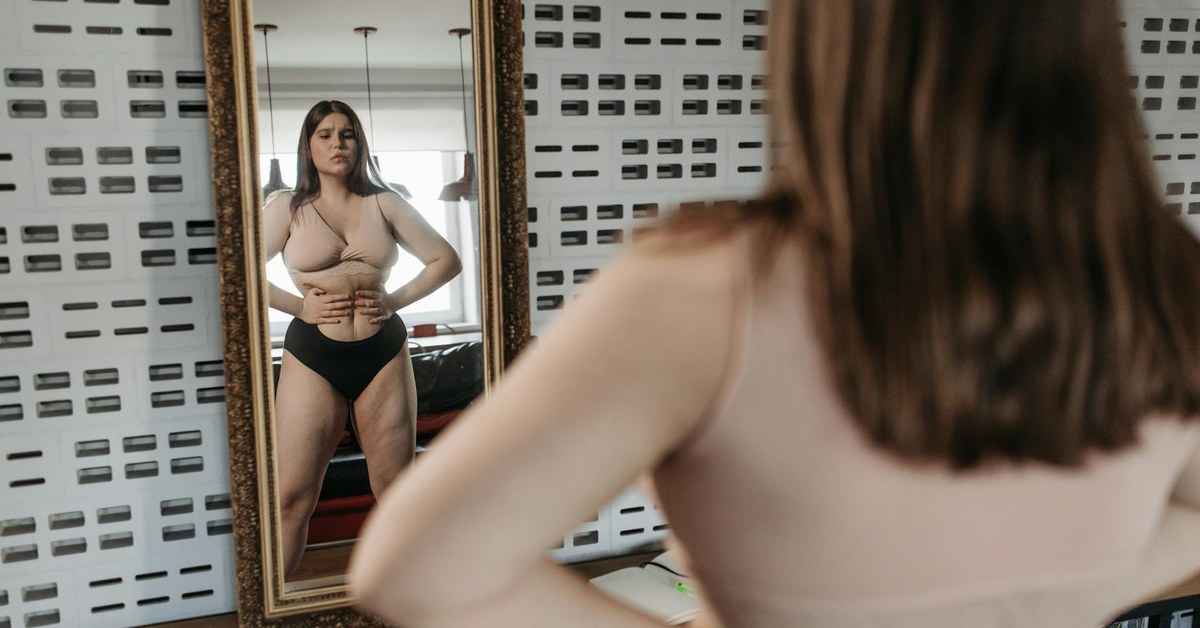

Crafting Unwavering Body Confidence and Emotional Resilience
“Discover how to build unwavering body confidence and emotional resilience from within. Learn strategies for lasting self-acceptance & inner strength.”
In a world constantly bombarding us with idealised images and often unrealistic standards, developing unwavering body confidence can feel like an insurmountable challenge. Yet, true confidence in one’s body, and indeed oneself, doesn’t stem from conforming to external ideals; it is meticulously crafted from within, deeply intertwined with emotional resilience. This article explores how to become the inner architect of your self-perception, building a foundation of lasting self-acceptance and inner strength that withstands external pressures. It is about nurturing a profound respect for your body and mind, fostering a powerful sense of self-worth that is truly intrinsic and enduring.
Understanding the Foundations: Why Inner Work Matters
Society often promotes the idea that body confidence is achieved by changing one’s appearance to fit a certain mould. However, this external focus can create a fragile sense of self-worth, dependent on fleeting trends and the opinions of others. For genuine, unwavering body confidence, the work must begin internally, by understanding and challenging the narratives we absorb and the beliefs we hold about ourselves.
The Illusion of External Validation
Many individuals seek validation for their body image from external sources: compliments, social media likes, or comparison with others. This approach, while offering temporary boosts, ultimately leads to a cycle of dependency and anxiety. A 2022 study published in the Journal of Youth and Adolescence found that adolescents who heavily relied on social media for self-validation reported significantly lower self-esteem and higher levels of body dissatisfaction. This highlights a crucial point: external validation is a fleeting commodity, constantly shifting and rarely satisfying in the long term. True inner strength body image requires a different approach.
The Interplay of Body Image and Emotional Health
The connection between how we perceive our bodies and our overall emotional wellbeing is profound. Negative body image can contribute to a range of emotional difficulties, including anxiety, depression, disordered eating patterns, and social withdrawal. Conversely, cultivating a positive body image, rooted in self-acceptance, acts as a protective factor, enhancing emotional resilience. When we learn to appreciate our bodies for what they can do, rather than solely how they look, we foster a healthier, more sustainable relationship with ourselves. Mental health professionals consistently emphasise that holistic wellbeing requires addressing both physical and psychological aspects of self-perception.
Key Takeaway: Genuine, unwavering body confidence is an internal construct, built upon self-acceptance and emotional resilience, rather than external validation or fleeting appearance ideals.
Cultivating Intrinsic Confidence: The Core of Unwavering Body Confidence
Cultivating intrinsic confidence means developing a deep-seated belief in your worth, independent of your physical appearance. This is a journey that involves conscious effort and consistent practice.
Self-Awareness and Mindful Self-Observation
The first step in building intrinsic confidence is to become acutely aware of your thoughts and feelings about your body. This involves mindful self-observation without judgment.
- Identify Triggers: What situations, media, or conversations typically trigger negative body thoughts? Is it scrolling through social media, trying on clothes, or comparing yourself to others?
- Recognise Patterns: Notice recurring negative self-talk. Are you consistently criticising a specific body part? Are you using harsh language towards yourself?
- Observe Physical Sensations: How does negative body image manifest physically? Do you feel tension, discomfort, or a desire to hide?
By observing these patterns, you gain the power to interrupt them. A child development specialist once noted, “Understanding the roots of self-criticism is the first step towards reshaping a child’s internal narrative, allowing them to build a robust sense of self-worth.” This principle extends well into adulthood.
Challenging Negative Self-Talk
Our inner critic can be relentless, but its power diminishes when we learn to challenge its pronouncements.
- Catch the Thought: When a negative body thought arises, consciously “catch” it instead of letting it spiral.
- Question its Validity: Ask yourself: “Is this thought truly factual, or is it an opinion? Does it serve me? Where did this belief come from?” Often, these thoughts are internalised messages from society or past experiences, not objective truths.
- Reframe and Replace: Consciously reframe the negative thought into a neutral or positive one.
- Instead of: “My thighs are too big.”
- Try: “My thighs carry me through life; they are strong and capable.”
- Instead of: “I hate my stomach.”
- Try: “My stomach supports my digestion and core, allowing me to move and live.”
- Use Affirmations: Regularly repeat positive affirmations that resonate with you, such as “My body is worthy of respect,” “I am more than my appearance,” or “I accept and appreciate my body as it is.”
Practising Self-Compassion
Self-compassion involves treating yourself with the same kindness, care, and understanding you would offer a good friend. It is a vital component of lasting self-acceptance.
- Mindful Self-Kindness: When you notice yourself struggling with body image, acknowledge your pain without judgment. Instead of criticising yourself for feeling bad, offer yourself warmth and comfort.
- Common Humanity: Remember that you are not alone in your struggles. Many people experience body image concerns. This awareness can reduce feelings of isolation and shame.
- Balanced Self-Reflection: See your imperfections and challenges as part of the human experience, not as personal failings.
Research by Dr Kristin Neff, a leading expert in self-compassion, consistently shows that individuals who practice self-compassion experience lower levels of anxiety and depression, and higher levels of life satisfaction and emotional resilience.
Building Emotional Resilience for Body Image Challenges
Emotional resilience is the ability to adapt well in the face of adversity, trauma, tragedy, threats, or significant sources of stress. When applied to body image, it means developing the capacity to bounce back from negative comments, media pressures, or personal insecurities.
Developing a Strong Support Network
Surrounding yourself with people who uplift and respect you, regardless of your appearance, is paramount.
- Seek Positive Influences: Spend time with friends and family who embody body positivity and self-acceptance.
- Limit Negative Exposure: Distance yourself from individuals or groups who engage in excessive body criticism, gossip, or unhealthy comparisons.
- Open Communication: Share your struggles with trusted individuals. Simply voicing your feelings can reduce their power and allow others to offer genuine support. Organisations like the NSPCC and the Red Cross often highlight the importance of strong social bonds for mental and emotional health.
Media Literacy and Digital Wellness
In an age dominated by digital media, critical thinking about the content we consume is essential.
- Question Everything: Recognise that most media images are curated, filtered, and often digitally altered. They do not represent reality.
- Diversify Your Feed: Actively seek out social media accounts that promote body diversity, self-acceptance, and genuine wellbeing, rather than unrealistic beauty standards.
- Set Boundaries: Implement “digital detoxes” or specific times of day when you avoid social media altogether. Tools like screen time limits on devices can be helpful. A 2023 UNICEF report on children’s digital wellbeing stressed the importance of media literacy education for all ages to combat harmful influences.
Embracing Body Neutrality and Functionality
While body positivity aims to celebrate all bodies, body neutrality offers a powerful alternative, particularly for those who find it difficult to love their bodies. Body neutrality focuses on appreciating your body for its functions and capabilities, rather than its aesthetic.
- Focus on What Your Body Does:
- “My legs allow me to walk, run, and explore.”
- “My hands enable me to create, comfort, and connect.”
- “My heart keeps me alive and full of energy.”
- Engage in Mindful Movement: Choose physical activities that you enjoy and that make your body feel good, rather than activities solely focused on changing its appearance. This could be dancing, walking in nature, yoga, or swimming.
- Prioritise Health, Not Aesthetics: Shift your focus from external appearance goals to internal health goals, such as feeling energised, sleeping well, or having strength. This cultivates intrinsic confidence and helps build lasting self-acceptance.
Practical Tools for Lasting Self-Acceptance
Beyond mental shifts, concrete practices can reinforce your journey towards unwavering body confidence and emotional resilience.
Journaling for Reflection and Growth
Keeping a journal provides a private space for self-exploration and processing emotions.
- Gratitude Journaling: Regularly list things you are grateful for about your body, focusing on its functions and sensations.
- Thought Record: When negative body thoughts arise, write them down, identify the emotions they trigger, and then challenge them using the reframing techniques discussed earlier.
- Self-Compassion Letter: Write a letter to yourself from the perspective of a compassionate friend, acknowledging your struggles and offering words of kindness and understanding.
Mindful Movement and Connection
Engaging with your body through mindful movement fosters a deeper connection and appreciation for its capabilities.
- Yoga or Tai Chi: These practices encourage present-moment awareness and gentle movement, helping you tune into your body’s sensations without judgment.
- Nature Walks: Connect with your body by experiencing the outdoors. Focus on the feeling of your feet on the ground, the rhythm of your breath, and the sights and sounds around you.
- Body Scan Meditation: Lie down and systematically bring awareness to each part of your body, noticing sensations without trying to change them. Many free mindfulness apps offer guided body scan meditations.
Setting Healthy Boundaries
Protecting your mental and emotional space is crucial for nurturing inner strength.
- Verbal Boundaries: Learn to politely but firmly express when conversations or comments about appearance make you uncomfortable. For example, “I’d prefer not to discuss body weight,” or “I’m focusing on my wellbeing, not my appearance.”
- Digital Boundaries: Unfollow accounts that trigger negative feelings. Limit time on platforms that promote unrealistic ideals.
- Personal Boundaries: Understand that your body is your own, and you have the right to decide who comments on it and how.
Age-Specific Guidance
The journey to unwavering body confidence and emotional resilience is lifelong, with different considerations at various stages.
Early Childhood (Ages 0-6)
At this age, children primarily learn from observation. * Parental Modelling: Parents and caregivers should model positive body language, avoid negative self-talk about their own bodies, and refrain from commenting on others’ appearances. * Focus on Function: Encourage children to appreciate what their bodies can do – run, jump, hug, create – rather than how they look. * Diverse Representation: Expose children to books, toys, and media that feature diverse body shapes, sizes, and abilities.
Middle Childhood (Ages 7-12)
Children begin to become more aware of social comparisons and media influences. * Open Dialogue: Initiate conversations about body diversity and challenge unrealistic media portrayals. Ask questions like, “Do you think all bodies look like this in real life?” * Strengths-Based Approach: Continue to praise children for their efforts, talents, and character, rather than their appearance. * Media Literacy: Start teaching basic media literacy skills, explaining that images can be edited or filtered.
Adolescence (Ages 13-18)
Adolescence is a critical period for body image development, marked by significant physical changes and increased social pressure. * Critical Thinking Skills: Reinforce advanced media literacy, discussing advertising tactics, influencer culture, and the impact of social media on self-esteem. * Peer Support: Encourage healthy friendships and provide resources for seeking help if they are struggling with body image or disordered eating (e.g., school counsellors, helplines). * Autonomy and Respect: Respect their evolving bodies and choices, fostering a sense of autonomy over their own physical self. A mental health professional advises, “Empowering teenagers to make informed choices about their health and digital consumption is key to building their lasting self-acceptance.”
Adulthood and Beyond
For adults, the journey is often about unlearning years of societal conditioning and reinforcing positive habits. * Continuous Self-Reflection: Regularly check in with your thoughts and feelings about your body. * Prioritise Self-Care: Engage in activities that nourish your mind, body, and spirit, not as a means to change your appearance, but as an act of self-respect. * Advocacy: Use your voice to promote body diversity and challenge harmful beauty standards in your communities and online. * Professional Support: Do not hesitate to seek support from therapists or counsellors if body image issues significantly impact your quality of life. [INTERNAL: Understanding Mental Health Support for Families]
What to Do Next
- Start a Self-Compassion Practice: Dedicate five minutes each day to a self-compassion exercise, such as a guided meditation or writing a compassionate letter to yourself.
- Conduct a “Media Audit”: Review your social media feeds and unfollow or mute accounts that consistently trigger negative body image thoughts. Actively seek out and follow diverse, body-positive content creators.
- Identify Your Body’s Strengths: Make a list of five things your body allows you to do that you appreciate. Focus on functions and capabilities, not aesthetics, and refer to this list when negative thoughts arise.
- Set One Healthy Boundary: Choose one area where you can set a boundary related to body image (e.g., politely changing the subject when someone comments on appearance, or limiting screen time on certain apps).
- Engage in Mindful Movement: Choose one physical activity you genuinely enjoy and commit to doing it regularly, focusing on the sensations and joy of movement, rather than any external outcome.
Sources and Further Reading
- World Health Organisation (WHO) – Mental Health Resources: [INTERNAL: Mental Health Resources]
- UNICEF – The State of the World’s Children Reports
- NSPCC – Childline: Understanding Body Image
- Red Cross – Mental Health and Psychosocial Support
- The Body Positive Organisation – Resources and Educational Materials: www.thebodypositive.org
- Dr Kristin Neff – Self-Compassion Research and Practices: www.self-compassion.org