Beyond the Bedroom: Critical Carbon Monoxide Detector Placement Mistakes to Avoid in Your Home
Learn common carbon monoxide detector placement mistakes that compromise safety. Discover where NOT to install CO alarms to ensure accurate detection and protect your family.
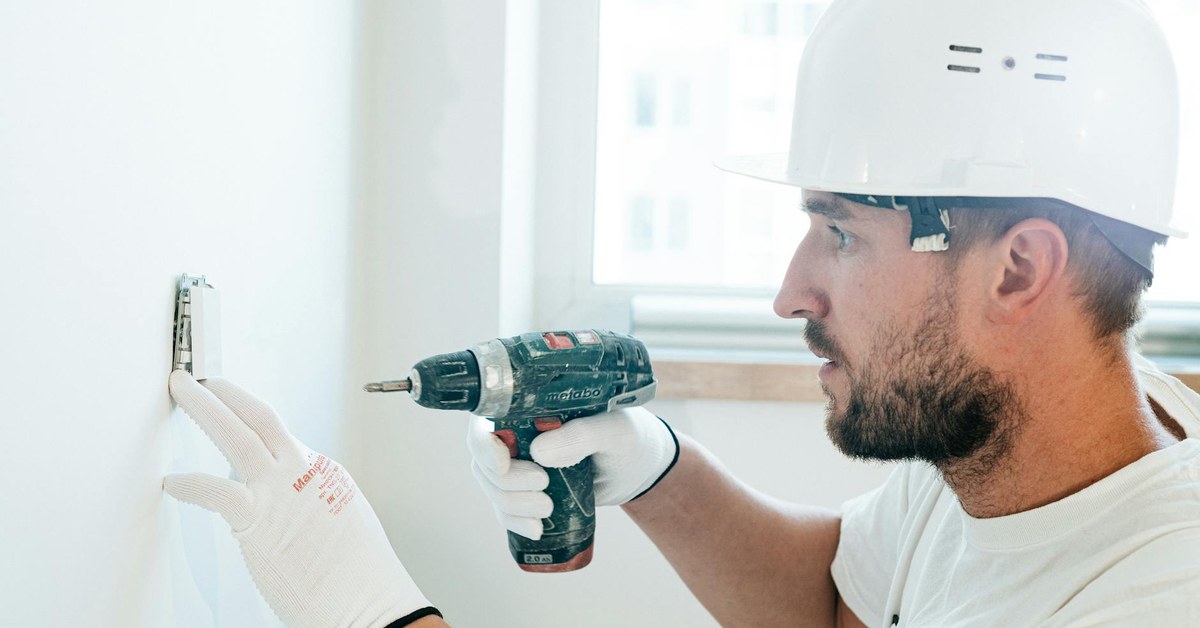

Beyond the Bedroom: Critical Carbon Monoxide Detector Placement Mistakes to Avoid in Your Home
“Learn common carbon monoxide detector placement mistakes that compromise safety. Discover where NOT to install CO alarms to ensure accurate detection and protect your family.”
Carbon monoxide (CO) is an invisible, odourless, and tasteless gas, often called the “silent killer” because it can incapacitate and even kill without warning. Protecting your family from this insidious threat relies heavily on correctly installed carbon monoxide detectors. However, many homeowners make critical carbon monoxide detector placement mistakes that compromise their safety, inadvertently creating blind spots where CO can accumulate undetected. Understanding where to install these vital devices is just as important as knowing where not to, ensuring your home protection system functions effectively and reliably.
Common CO Detector Installation Errors
The effectiveness of a carbon monoxide alarm hinges on its ability to detect CO accurately and promptly. Incorrect placement can lead to either delayed detection, giving CO more time to harm occupants, or frequent false alarms, which can lead to complacency and devices being switched off. According to the World Health Organisation (WHO), unintentional carbon monoxide poisoning causes thousands of deaths globally each year, with many more suffering debilitating health effects. These tragedies are often preventable with proper detection.
Many common CO detector installation errors stem from a misunderstanding of how carbon monoxide behaves and how the detectors themselves operate. CO mixes with air, so it does not necessarily rise or fall in the same way as smoke. Its distribution is influenced by air currents, temperature, and ventilation. Placing a detector in a location with poor air circulation or too close to certain appliances can render it ineffective or prone to nuisance alarms.
Why Correct Placement Matters
- Timely Detection: Proper placement ensures the detector samples air where CO is most likely to accumulate and reach dangerous levels first.
- Reduced False Alarms: Avoiding areas prone to transient CO emissions or other interfering substances prevents unnecessary alarms, maintaining trust in the device.
- Compliance with Safety Standards: While specific regulations vary globally, general safety guidelines from organisations like the Red Cross and various national fire safety bodies consistently recommend strategic placement for optimal protection.
- Maximised Lifespan and Reliability: Protecting the detector from extreme temperatures, humidity, or physical damage helps ensure its long-term functionality.
Key Takeaway: Correct carbon monoxide detector placement is not merely a suggestion; it is a critical safety measure that directly impacts the device’s ability to provide timely warnings and protect lives. Misplacement can create dangerous detection gaps or lead to frustrating false alarms.
Specific Locations to AVOID for CO Detector Placement
Knowing where not to place a carbon monoxide detector is as crucial as understanding ideal locations. Avoiding these common improper CO alarm locations can significantly enhance your home’s safety.
- Directly Above or Adjacent to Fuel-Burning Appliances: Placing a detector too close to a furnace, boiler, gas cooker, or fireplace might trigger false alarms due to transient, low-level CO emissions during start-up or normal operation. These brief emissions are often harmless but can confuse the detector. A safety expert advises, “Always consult the manufacturer’s guidelines, but generally, maintain a distance of at least 1.5 to 3 metres from combustion sources to avoid nuisance alarms while still ensuring effective detection.”
- In or Near Bathrooms with Showers: High humidity and steam from showers can interfere with the sensor’s operation, potentially leading to false alarms or even damage over time. CO detectors are designed for dry environments.
- In Direct Sunlight or Near Heat Sources: Extreme temperatures can affect the detector’s electronic components and battery life. Direct sunlight can also cause temperature fluctuations that might trigger inaccurate readings. Avoid placing detectors near radiators, air vents, or windows where they are exposed to direct sunlight or strong heat.
- Near Ventilation Openings (Doors, Windows, Vents): Placing a detector too close to a door, window, or air vent can dilute the air sample, preventing CO from reaching the sensor in concentrated amounts. This can delay detection significantly, as fresh air currents might disperse CO away from the sensor.
- In “Dead Air” Spaces: Corners of rooms, inside cupboards, behind curtains, or areas blocked by furniture can create “dead air” zones where air circulation is poor. CO might not reach the detector in these spots, even if it is present elsewhere in the room. Ensure detectors have clear access to circulating air.
- In Garages: While garages often contain CO from vehicle exhaust, the levels can fluctuate significantly. Placing a detector here can lead to frequent false alarms. Instead, ensure a detector is placed in the living space adjacent to the garage, particularly if there’s an internal connecting door.
- Within 15 Centimetres of the Ceiling or Floor: CO detectors should typically be mounted on a wall or ceiling, but specific distances from corners are important. Many manufacturers recommend placing them at least 15 centimetres from the ceiling or floor to avoid areas where air circulation might be less reliable. Always follow the manufacturer’s specific instructions for height and wall/ceiling placement.
Optimal Carbon Monoxide Detector Placement Strategies
Understanding optimal placement is key to avoiding CO detector installation errors. The goal is to detect CO before it reaches dangerous levels in areas where people sleep or spend significant time.
Where to Install CO Detectors
- Near Sleeping Areas: This is paramount. Install a CO detector on every level of your home, especially near or within each sleeping area. If CO levels rise during the night, occupants will be alerted while they are most vulnerable.
- On Every Level of the Home: CO can travel throughout a home. Having detectors on each floor, including the basement, ensures comprehensive coverage.
- Near or Over Attached Garages: If you have an attached garage, place a CO detector in the room directly adjoining it, or in the hallway leading from it, to detect any CO that might seep into the living space.
- Near Fuel-Burning Appliances (but not too close): While avoiding direct proximity, it is wise to have a detector in the vicinity of appliances like furnaces, water heaters, and fireplaces. A good rule of thumb is 1.5 to 3 metres away from the appliance, in a location that allows for good air circulation.
- Wall or Ceiling Mounted: Follow manufacturer instructions precisely. Most detectors are designed to be mounted on a wall, usually at eye level, or on the ceiling, depending on the model. Some plug-in models are also available.
Age-Specific Vulnerability
Children, infants, and the elderly are particularly vulnerable to carbon monoxide poisoning due to their smaller body mass or compromised health. Symptoms can also be harder to recognise in these groups. Therefore, ensuring detectors are correctly placed in their sleeping areas and common living spaces is even more critical. Consider multi-sensor alarms that also detect smoke for comprehensive protection in these sensitive areas. [INTERNAL: understanding carbon monoxide poisoning]
Maintenance and Testing
Proper placement is only one part of the safety equation. Regular maintenance and testing are equally vital.
- Monthly Testing: Press the ‘test’ button on each detector monthly to ensure it is functioning correctly.
- Battery Replacement: Replace batteries annually, or as indicated by the detector’s low battery warning. Many modern detectors have sealed 10-year batteries, but always check your model.
- Detector Lifespan: CO detectors have a limited lifespan, typically 5-7 years. After this period, the sensor can degrade, making the detector unreliable. Check the manufacture date on your device and replace it when due.
- Cleaning: Gently vacuum or wipe the detector’s exterior periodically to prevent dust and debris from blocking the sensor vents.
“A properly maintained and correctly located carbon monoxide detector is your first line of defence against this silent threat,” states a leading fire safety official. “Neglecting either aspect puts lives at risk.”
What to Do Next
Ensuring your home is protected from carbon monoxide requires proactive steps. Review your current setup and implement these actions immediately.
- Check Existing Detectors: Inspect all carbon monoxide detectors in your home. Note their age, placement, and whether they are functioning correctly. Refer to the manufacturer’s manual for specific placement recommendations for your model.
- Relocate or Install New Detectors: If you identify any carbon monoxide detector placement mistakes, relocate existing units or install new ones in optimal positions, prioritising sleeping areas and every level of your home.
- Test and Maintain Regularly: Establish a routine for monthly testing and annual battery replacement (if applicable). Mark your calendar for the detector’s replacement date, typically 5-7 years from manufacture.
- Educate Your Family: Discuss the dangers of carbon monoxide and the importance of the detectors with all family members. Ensure everyone knows what the alarm sounds like and what to do if it activates. [INTERNAL: creating a family escape plan]
- Schedule Professional Appliance Checks: Have all fuel-burning appliances (furnaces, boilers, water heaters, gas fireplaces) professionally inspected annually by a qualified technician to ensure they are operating safely and not emitting CO.
Sources and Further Reading
- World Health Organisation (WHO) - Carbon Monoxide Poisoning: www.who.int
- The British Red Cross - First Aid for Carbon Monoxide Poisoning: www.redcross.org.uk
- Gas Safe Register (UK) - Carbon Monoxide Safety: www.gassaferegister.co.uk
- National Fire Protection Association (NFPA) - Carbon Monoxide Safety: www.nfpa.org