How to Cultivate Deep-Rooted Body Confidence Beyond Appearance and External Validation
Discover strategies to build lasting body confidence from within, moving beyond fleeting appearances and the need for external validation. Cultivate genuine self-worth.
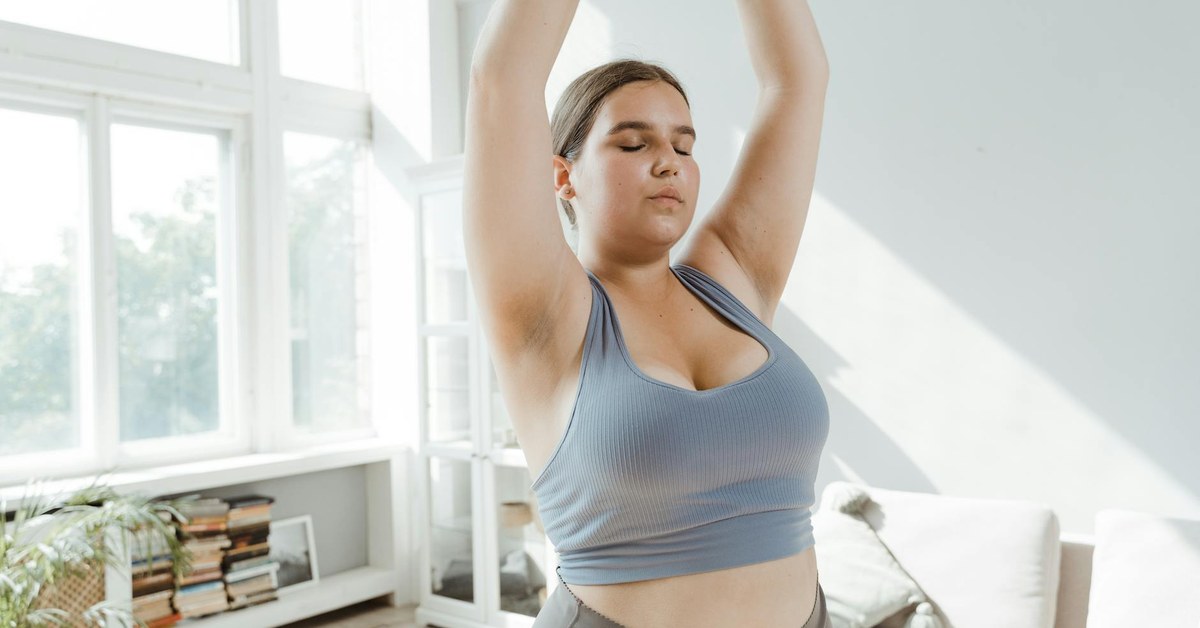

How to Cultivate Deep-Rooted Body Confidence Beyond Appearance and External Validation
“Discover strategies to build lasting body confidence from within, moving beyond fleeting appearances and the need for external validation. Cultivate genuine self-worth.”
In a world often fixated on appearances, developing deep-rooted body confidence offers a powerful shield for children and adults alike. This genuine self-assurance stems not from what we see in the mirror or what others say, but from an inner conviction of our inherent worth. Moving beyond the fleeting nature of external validation, we can foster a sustainable, resilient sense of self that embraces our bodies for their capabilities and contributions, rather than their conformity to societal ideals. This article explores practical strategies to build this profound sense of authentic body acceptance.
The Illusion of External Validation
Our modern environment, heavily influenced by media and social platforms, frequently promotes a narrow ideal of beauty and success. This constant barrage can lead individuals, particularly young people, to seek validation from external sources – likes, comments, compliments – to feel good about their bodies. However, relying on external approval creates a fragile foundation for self-worth.
“When self-esteem is tied solely to appearance or external praise, it becomes incredibly vulnerable to fluctuations,” explains a leading child psychologist. “A single negative comment or a perceived flaw can dismantle it entirely, leading to cycles of anxiety and self-doubt.”
Statistics highlight the pervasive nature of body image concerns. According to a 2022 UNICEF report, mental health issues, often linked to body dissatisfaction, affect more than 13% of adolescents aged 10-19 globally. Furthermore, a 2023 study by the Mental Health Foundation revealed that over a third of adults in the UK felt anxious or depressed because of their body image. This reliance on external validation can manifest as:
- Social Media Comparison: Constantly comparing one’s appearance to curated online images.
- Diet Culture: Engaging in restrictive eating or excessive exercise motivated by aesthetic goals rather than health.
- Approval Seeking: Basing self-worth on compliments or perceived attractiveness from others.
Ultimately, external validation is a temporary fix. True confidence flourishes from within, cultivated through self-acceptance and a recognition of one’s intrinsic value.
Key Takeaway: Relying on external validation for body confidence creates a fragile sense of self-worth that is easily undermined by societal pressures and fleeting opinions.
Actionable Next Step: Begin to observe your own and your children’s media consumption habits. Discuss how images online are often edited or curated, and how they do not represent universal reality.
Cultivating Inner Strength and Self-Worth Beyond Looks
Building inner strength body confidence requires a deliberate shift in focus from what the body looks like to what it does and who the person is. This process helps individuals develop self-worth beyond looks, recognising their value as multi-faceted beings.
Recognising Your Non-Physical Qualities
Encourage a focus on character, skills, and contributions rather than physical attributes. This helps to anchor self-esteem in more stable, internal qualities.
- For Young Children (Ages 3-7): Celebrate abilities like running fast, drawing colourful pictures, showing kindness to friends, or asking curious questions. Emphasise their helpfulness and imagination. “Your legs help you run so quickly!” or “You are so good at sharing your toys.”
- For Older Children (Ages 8-12): Acknowledge their achievements in school, sports, or hobbies. Praise their resilience in challenges, their problem-solving skills, or their loyalty as a friend. “That was clever how you figured out that puzzle,” or “You showed great teamwork today.”
- For Teenagers (Ages 13-18): Discuss their values, passions, and contributions to their family or community. Highlight their integrity, creativity, empathy, or leadership qualities. “Your dedication to that project is inspiring,” or “You always stand up for what’s right.”
Creating a “strengths jar” where family members write down positive qualities or actions they observe in each other can be a powerful tool for visualising internal value.
Practising Mindful Self-Acceptance
Mindful self-acceptance involves acknowledging and accepting your body as it is, without judgment. This practice is crucial for developing authentic body acceptance.
- Body Scan Meditation: Guide children (and yourself) through a simple body scan, noticing sensations in different parts of the body without judgment. Focus on how the body feels, not how it looks. “Notice your feet on the ground, how they support you. Feel your breath moving in and out.”
- Gratitude for Body Functions: Regularly express gratitude for what your body can do. Your legs carry you, your hands create, your eyes see beautiful things, your heart beats tirelessly. This shifts focus from aesthetics to functionality.
- Challenging Negative Self-Talk: Become aware of critical thoughts about your body. When a negative thought arises, gently challenge it. Ask: “Is this thought kind? Is it true? Is it helpful?” Replace it with a neutral or positive affirmation focusing on function or internal qualities. For example, instead of “My tummy is too big,” try “My tummy helps digest my food and keeps me strong.”
Actionable Next Step: Dedicate five minutes each day to a mindful body scan or a gratitude practice, focusing on what your body enables you to do.
Building Sustainable Body Image and Overcoming External Validation
A sustainable body image thrives on consistent practices that reinforce internal value and create resilience against external pressures. This involves actively overcoming external validation by creating a personal environment that nurtures self-acceptance.
Setting Healthy Boundaries with Social Media and Influences
Social media can be a significant source of comparison and external pressure. Teaching children media literacy and setting boundaries is vital.
- Curate Feeds: Encourage children to follow accounts that inspire, educate, or entertain them, rather than those that promote unrealistic body ideals or excessive materialism. Unfollow accounts that trigger negative comparisons.
- Limit Screen Time: Implement family screen time rules. The World Health Organisation (WHO) recommends limiting screen time for children aged 2-5 to no more than one hour per day, and establishing consistent limits for older children and adolescents.
- Discuss Media Literacy: Regularly talk about how images are edited, filtered, and posed. Explain that what appears online is often not a full or accurate representation of reality. Ask critical questions: “What message is this image sending? Is it realistic? How does it make you feel?”
Engaging in Activities That Foster Competence and Joy
When individuals engage in activities they genuinely enjoy and where they can develop skills, their sense of self-worth grows from accomplishment, not appearance.
- Focus on Process, Not Outcome: Encourage participation in sports, arts, music, or other hobbies for the joy of the activity, the learning process, and the feeling of mastery. Emphasise effort and improvement over winning or looking a certain way.
- Celebrate Skill Development: Highlight the development of new skills and abilities. “Look how much stronger you’ve become!” or “Your painting shows such creativity!”
- Generic Tool Recommendation: Encourage the use of a journal or a “portfolio” (physical or digital) to track accomplishments, creative projects, or personal growth. This provides tangible evidence of progress and intrinsic value.
A 2023 study published in the Journal of Adolescent Health found that adolescents who spent more time on creative hobbies reported higher levels of self-esteem and body satisfaction than those with high social media usage.
Here are 5 strategies for parents to model authentic body acceptance:
- Avoid Negative Self-Talk: Refrain from criticising your own body or appearance in front of your children.
- Focus on Health and Function: Discuss food in terms of nourishment and energy, and exercise in terms of strength and well-being, rather than weight or aesthetics.
- Celebrate Diversity: Point out and appreciate the beauty and uniqueness in all body shapes and sizes, both in real life and in media.
- Prioritise Experiences: Emphasise shared experiences, learning, and connection over superficial concerns.
- Practise Mindful Eating: Encourage eating when hungry and stopping when full, teaching children to listen to their body’s internal cues.
Actionable Next Step: Explore a new hobby or activity with your child that focuses on skill-building or creative expression, rather than competitive performance or appearance.
Nurturing a Supportive Environment
The home environment plays a critical role in shaping a child’s body confidence. Parents and caregivers can foster an atmosphere where every body is respected and valued.
- Use Body-Neutral Language: Avoid commenting on people’s weight, shape, or size, whether positively or negatively. Instead, focus on their actions, character, or achievements.
- Promote Health, Not Weight: Talk about balanced nutrition, physical activity, and adequate sleep as ways to be healthy and strong, without linking them to specific body sizes or weights.
- Challenge Stereotypes: Actively discuss and challenge unrealistic beauty standards and gender stereotypes presented in media, books, or toys.
- Encourage Self-Compassion: Teach children to be kind to themselves, especially when they make mistakes or feel insecure. Remind them that everyone has moments of self-doubt and that it is okay to seek support.
- [INTERNAL: Promoting Positive Self-Talk in Children]
Creating an environment that values inner qualities and celebrates the body for its capabilities is essential for fostering deep-rooted body confidence. This approach empowers individuals to embrace their unique selves, secure in the knowledge that their worth extends far beyond any external measure.
What to Do Next
- Start a “Strengths Jar”: Encourage family members to write down and share observed non-physical strengths and positive actions of others daily.
- Implement Mindful Moments: Practice a daily 5-minute gratitude exercise focusing on what your body can do, either individually or as a family.
- Audit Your Media Consumption: Review social media accounts and other media for positive influences and actively unfollow or limit exposure to content that promotes unrealistic body ideals.
- Engage in a “Joy Activity”: Find a new activity or hobby that focuses purely on enjoyment, skill development, or creative expression, without emphasis on appearance or competition.
- Practise Body-Neutral Language: Consciously avoid commenting on bodies (yours or others’) and instead, focus praise and conversation on actions, character, and capabilities.
Sources and Further Reading
- UNICEF. (2022). The State of the World’s Children 2022: On My Mind - promoting, protecting and caring for children’s mental health. www.unicef.org/reports/state-of-worlds-children-2022
- Mental Health Foundation. (2023). Body image report. www.mentalhealth.org.uk/explore-mental-health/a-z-topics/body-image
- World Health Organization. (2019). Guidelines on physical activity, sedentary behaviour and sleep for children under 5 years of age. www.who.int/publications/i/item/9789241550536
- Journal of Adolescent Health. (Various issues). www.jahonline.org