Beyond Body Positivity: Cultivating Body Neutrality for Lasting Peace and Confidence
Struggling to embrace body positivity? Discover body neutrality as a path to inner peace, self-acceptance, and lasting confidence, free from appearance pressures.
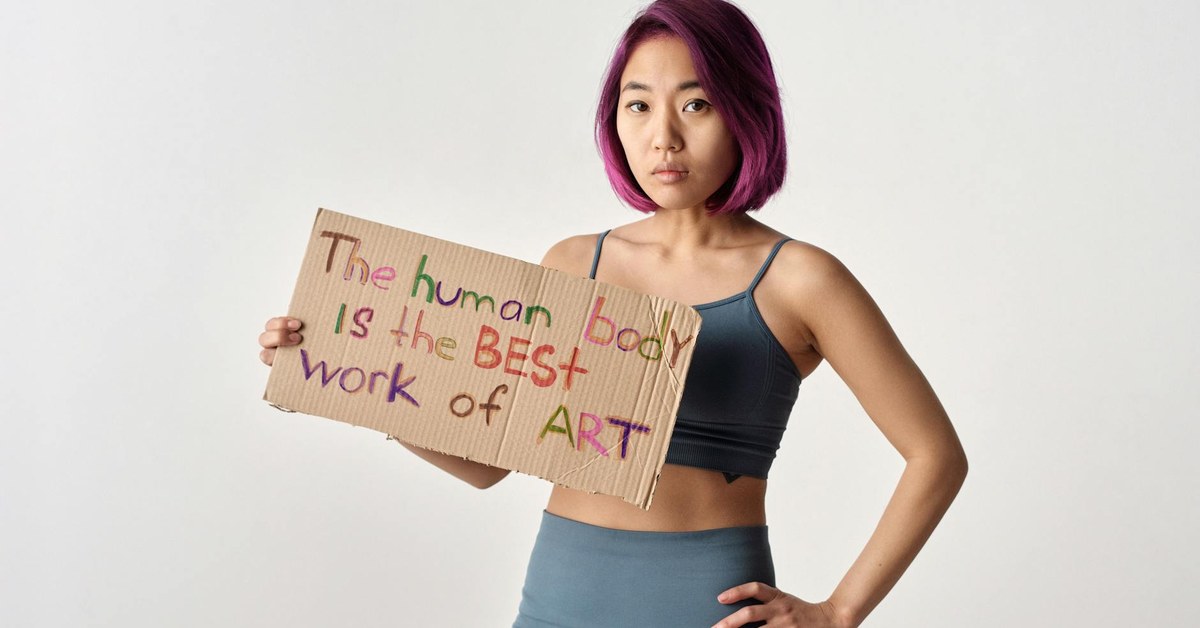

Beyond Body Positivity: Cultivating Body Neutrality for Lasting Peace and Confidence
“Struggling to embrace body positivity? Discover body neutrality as a path to inner peace, self-acceptance, and lasting confidence, free from appearance pressures.”
In a world saturated with images and ideals, many individuals find the concept of ‘body positivity’ challenging to genuinely embrace. While aiming to foster self-love and acceptance, the constant pressure to love every aspect of one’s appearance can feel unattainable or even exhausting for some. This is where body neutrality offers a powerful, sustainable alternative, shifting focus from aesthetic judgment to appreciation for what our bodies do. It provides a pathway to inner peace and lasting confidence by recognising the body as a functional vessel, rather than an object to be constantly evaluated.
Understanding Body Neutrality: A Path to Self-Acceptance
Body neutrality is a mindset that encourages respect and appreciation for the body’s capabilities, functions, and overall health, without needing to feel intensely positive or negative about its appearance. It stands apart from body positivity, which often advocates for actively celebrating and loving one’s physical form, regardless of societal norms. For many, particularly those with fluctuating body types, chronic illnesses, or past experiences with eating disorders, the demand to “love your body” can feel disingenuous or even triggering.
A key difference lies in the emotional engagement with appearance. Body positivity seeks to transform negative feelings into positive ones regarding how one looks. Body neutrality, conversely, seeks to minimise the emotional impact of appearance altogether. It aims for a calmer, more objective perspective.
“Our bodies are incredibly complex biological systems that enable us to experience the world, move, think, and connect,” explains a leading mental health practitioner specialising in body image. “Body neutrality encourages us to honour these functions, acknowledging our body’s value beyond its visual appeal.”
This shift can significantly improve mental health body image. Instead of striving for an often-elusive ideal of self-love, individuals can find genuine self-acceptance body by focusing on gratitude for their body’s abilities, such as the strength to walk, the senses to experience a sunset, or the internal systems that keep us alive.
Key Takeaway: Body neutrality offers a sustainable alternative to body positivity by shifting focus from intense emotional attachment to appearance towards a calm appreciation for the body’s functions and capabilities.
Why Body Neutrality Matters for Mental Well-being
The relentless pursuit of physical perfection, often fuelled by media and social platforms, contributes significantly to body image dissatisfaction. According to a 2023 report by the Mental Health Foundation, approximately one in five adults in the UK (20%) felt shame about their body in the past year, and 34% felt anxious. For young people, these figures are often higher globally. A 2022 UNICEF study highlighted how social media use can intensify feelings of inadequacy and body dissatisfaction among adolescents worldwide.
Constant self-evaluation, whether positive or negative, ties much of our self-worth to external validation. Body neutrality helps to sever this connection, promoting a more stable and internal sense of value.
Benefits of embracing body neutrality include:
- Reduced Anxiety and Stress: Less focus on appearance means less worry about how one is perceived, freeing up mental energy.
- Improved Self-Esteem: Self-worth becomes less dependent on fluctuating physical attributes, building a more robust sense of self-acceptance body.
- Healthier Relationship with Food and Exercise: Decisions about diet and physical activity can be driven by well-being and function rather than solely by aesthetic goals.
- Greater Resilience: Individuals become less susceptible to external pressures and unrealistic beauty standards perpetuated by media and advertising.
- Enhanced Focus on Life Experiences: Energy previously spent on body scrutiny can be redirected towards passions, relationships, and personal growth.
For parents, modelling body neutrality can be particularly beneficial. Children, especially those aged 6-12, are highly impressionable. When adults speak negatively about their own bodies or others’, children absorb these messages. Teaching children to appreciate their bodies for what they can do – run, jump, hug, think – rather than how they look, fosters a healthier foundation for their developing body image and overall mental health. [INTERNAL: Raising Body Confident Children].
Practical Steps to Cultivate Body Neutrality
Cultivating body neutrality is a gradual process that requires conscious effort and consistent practice. Here are actionable steps you can implement:
-
Shift Your Language:
- Focus on Function: Instead of saying, “My legs are too big,” try, “My legs carry me through my day and allow me to explore.”
- Neutral Descriptions: When describing yourself or others, use neutral terms rather than value judgments. For example, “This shirt is blue” instead of “This shirt makes me look thin.”
- Challenge Negative Self-Talk: When a critical thought arises, acknowledge it without judgment, then reframe it with a neutral or functional statement. “I don’t like my stomach” can become “My stomach digests food and protects my organs.”
Practice Mindful Movement:
- Engage in physical activities that you genuinely enjoy and that make your body feel good, rather than activities solely focused on changing its appearance. This could be walking in nature, dancing, swimming, or yoga.
- Pay attention to the sensations in your body during movement – the strength in your muscles, the rhythm of your breath, the feeling of the ground beneath your feet.
Curate Your Media Consumption:
- Unfollow Accounts: Actively unfollow social media accounts that promote unrealistic beauty standards, excessive dieting, or constant body comparisons.
- Seek Diverse Representation: Follow accounts that showcase a wide range of body types, abilities, and appearances, promoting a more realistic view of humanity.
- Limit Screen Time: Reduce the amount of time spent on platforms that trigger negative body image thoughts. [INTERNAL: Digital Wellbeing for Families].
Engage in Body Scan Meditations:
- Regularly practice body scan meditations where you systematically bring awareness to different parts of your body, noticing sensations without judgment. This helps to foster a sense of connection and acceptance. Many free guided meditations are available through apps or online platforms.
Create a “Gratitude for Function” List:
- Write down all the things your body allows you to do each day. This could include simple acts like breathing, seeing, hearing, tasting, hugging loved ones, or more complex activities like working, creating, or playing sports. Regularly reviewing this list reinforces appreciation for your body’s capabilities.
Set Boundaries with Body Talk:
- Communicate to friends and family that you are trying to cultivate body neutrality and would appreciate it if they avoided negative body talk or excessive appearance-focused conversations around you.
Addressing Common Challenges
Shifting to body neutrality can present challenges, especially when surrounded by societal pressures.
- Social Media Influence: The constant curated images on platforms like Instagram can make it difficult to maintain a neutral stance. Remember that these are often highly edited and do not represent reality. Focus on utility: use social media to connect, learn, or be entertained, rather than as a source of self-comparison.
- Diet Culture: Many societies are deeply ingrained in diet culture, which promotes restrictive eating and an obsession with weight loss. Recognise these messages and actively choose to prioritise health and well-being over fleeting aesthetic ideals. Consult with a qualified nutritionist or healthcare professional for balanced advice if you have concerns about your eating habits or body weight.
- Personal Setbacks: It is natural to have days where negative body thoughts resurface. Do not view these as failures. Acknowledge the thought, gently redirect your focus back to function, and continue your practice. Consistency, not perfection, is the goal.
“Building body neutrality is an ongoing journey, not a destination,” advises a child psychologist. “It requires patience and self-compassion, particularly for teenagers (13-18 years) who are navigating intense physical and emotional changes. Encourage them to focus on their talents, friendships, and future aspirations, rather than solely on their changing appearance.”
What to Do Next
- Start a “Body Function Gratitude” Journal: Each day, write down three new things your body allowed you to do or experience, focusing purely on function rather than appearance.
- Review Your Social Media Feeds: Actively unfollow accounts that trigger negative body image thoughts and seek out diverse, body-neutral content creators.
- Engage in Mindful Movement This Week: Choose one activity you genuinely enjoy, like walking, dancing, or gardening, and pay close attention to the sensations in your body without judgment.
- Initiate a Conversation with Loved Ones: Share your journey towards body neutrality with a trusted friend or family member and discuss how you can support each other in reducing body-focused talk.
Sources and Further Reading
- Mental Health Foundation: www.mentalhealth.org.uk
- UNICEF: www.unicef.org
- National Eating Disorders Association (NEDA): www.nationaleatingdisorders.org
- Mind (for mental health support): www.mind.org.uk