Cultivating Calm: How Parental Emotional Regulation Shapes Children's Resilience
Discover how your own emotional regulation directly impacts your child's resilience. Learn strategies for parents to model calm and foster strong emotional health in kids.
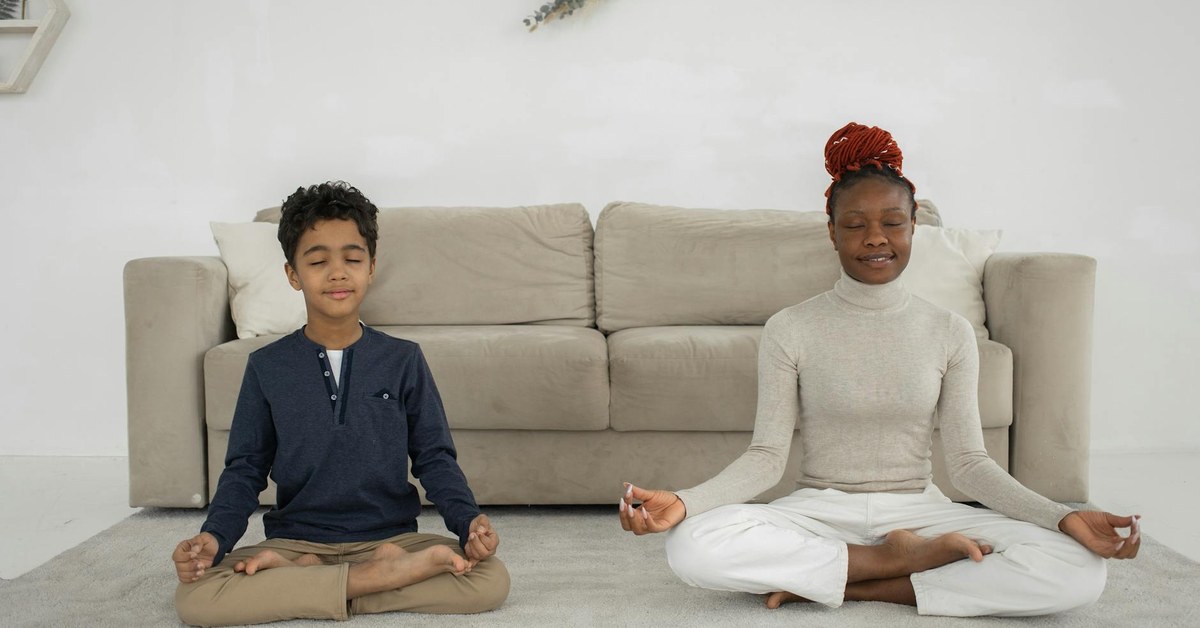

Cultivating Calm: How Parental Emotional Regulation Shapes Children's Resilience
“Discover how your own emotional regulation directly impacts your child's resilience. Learn strategies for parents to model calm and foster strong emotional health in kids.”
The emotional landscape of a family is profoundly influenced by its adults. When parents effectively manage their own feelings, they lay a crucial foundation for their children’s well-being. This vital connection between parental emotional regulation children resilience is not merely anecdotal; it is a well-researched cornerstone of healthy child development. Understanding and actively practising emotional regulation enables parents to model essential life skills, helping children navigate their own complex feelings and build robust emotional strength.
The Foundation of Emotional Health: Parental Modelling
Children are keen observers, constantly learning how to interpret and respond to the world around them. Parents serve as their primary educators in emotional literacy. Every time a parent responds to stress, frustration, or joy, they are offering a lesson in emotional regulation. This continuous modelling teaches children how to cope with challenging situations, manage impulses, and interact constructively with others.
“Children learn more from what you are than what you teach,” explains a leading child development specialist. “When parents consistently demonstrate calm and thoughtful responses to difficult situations, they equip their children with an internal blueprint for managing their own emotional states.” This internalisation is critical for developing self-regulation skills, which are essential for academic success, healthy relationships, and overall life satisfaction.
Understanding Parental Emotional Regulation
Parental emotional regulation refers to a parent’s ability to monitor, evaluate, and modify their own emotional reactions in various situations. It involves recognising personal emotional states, understanding their triggers, and choosing appropriate responses rather than reacting impulsively. This does not mean suppressing emotions, but rather managing them constructively.
Key components of parental emotional regulation include: * Emotional Awareness: Recognising and naming one’s own feelings. * Emotional Expression: Communicating feelings in a healthy, controlled manner. * Stress Tolerance: Coping with uncomfortable emotions without becoming overwhelmed. * Impulse Control: Pausing before reacting, especially during stressful moments. * Problem-Solving: Approaching emotional challenges with a focus on solutions.
When parents struggle with their own emotional regulation, it can create an unpredictable and stressful home environment. Research has shown that chronic parental stress can negatively impact children’s developing brains and their ability to regulate their own emotions. According to a 2022 report by the World Health Organisation (WHO), mental health conditions account for 13% of the global burden of disease in young people, often influenced by early childhood experiences and family dynamics, underscoring the critical role of a stable emotional environment at home.
The Science Behind Co-Regulation and Resilience
Co-regulation parenting strategies are at the heart of fostering emotional strength in children. Co-regulation is the process by which a responsive adult provides support to a child, helping them to manage their feelings and behaviour. From infancy, when a parent soothes a crying baby, to adolescence, when a parent helps a teenager process disappointment, co-regulation is fundamental.
As children grow, this external support gradually transforms into internal self-regulation. Parents who practise effective emotional regulation provide a secure base from which children can explore their own emotional responses. They teach children how to: * Identify Emotions: “I see you’re feeling frustrated right now.” * Label Emotions: “That’s a feeling of anger, isn’t it?” * Understand Causes: “It’s understandable to feel sad when your toy breaks.” * Develop Coping Mechanisms: “Let’s take a deep breath together,” or “What might help you feel a bit better?”
Organisations like UNICEF advocate for nurturing care environments that support children’s emotional development, recognising that a parent’s capacity for self-regulation directly influences their ability to provide such care. This consistent, supportive presence helps children build resilience—the capacity to recover quickly from difficulties and adapt to change.
Key Takeaway: Parental emotional regulation is not about suppressing feelings, but about modelling healthy ways to recognise, understand, and respond to emotions. This process of co-regulation is vital for a child’s developing brain, teaching them how to build internal resilience and manage their own emotional states effectively.
Impact on Child Development and Resilience
The long-term effects of strong parental emotional regulation are profound, shaping a child’s overall development and their capacity for resilience. Children with emotionally regulated parents typically demonstrate: * Better Social Skills: They are more adept at reading social cues, empathising with others, and resolving conflicts peacefully. * Improved Academic Performance: The ability to manage frustration and focus attention positively impacts learning. * Higher Self-Esteem: Feeling understood and supported fosters a strong sense of self-worth. * Reduced Behavioural Problems: They are less likely to act out aggressively or exhibit disruptive behaviours. * Enhanced Problem-Solving Abilities: They learn to approach challenges with a calm, considered mindset rather than reacting impulsively. * Greater Emotional Stability: They develop a more stable and balanced emotional temperament, better equipped to handle life’s inevitable ups and downs.
Fostering emotional strength in children through effective parental modelling equips them with a robust toolkit for life. This toolkit includes empathy, self-awareness, and the ability to bounce back from adversity, all hallmarks of a resilient individual.
Practical Strategies for Parents
Cultivating calm in your home begins with intentional effort. Here are actionable strategies for parents to enhance their own emotional regulation and, in turn, boost their children’s resilience:
- Prioritise Self-Care: You cannot pour from an empty cup. Ensure you are getting adequate sleep, nutrition, and opportunities for relaxation. Even short breaks can help reset your emotional state. Consider activities like reading, listening to music, or a brief walk.
- Practise Mindfulness: Engage in mindfulness exercises to become more present and aware of your emotions without judgment. Simple breathing exercises or a few minutes of quiet reflection can significantly improve your ability to pause before reacting. There are many widely available mindfulness apps and resources that can guide you.
- Identify Your Triggers: Pay attention to what situations, times of day, or specific behaviours from your children tend to provoke strong emotional reactions in you. Recognising these patterns is the first step towards changing your response.
- Develop a “Pause” Strategy: When you feel overwhelmed, create a deliberate pause. This could be counting to ten, stepping into another room for a minute (if safe), or taking a few deep breaths. This brief interruption can prevent an impulsive, unhelpful reaction.
- Use “I” Statements: Model healthy communication by expressing your feelings clearly and calmly. For example, instead of “You always make a mess!”, try “I feel frustrated when toys are left on the floor because someone could trip.”
- Seek Support When Needed: It is a sign of strength, not weakness, to reach out for help. Talk to a trusted friend, partner, or consider professional support if you find yourself consistently struggling with emotional regulation. Organisations like the Red Cross offer resources on stress management and family support.
- Age-Specific Guidance for Co-Regulation:
- Infants to Toddlers (0-3 years): Respond promptly to cries, use gentle touch and soothing voices. Narrate their feelings: “You’re upset because your block tower fell down.”
- Preschoolers (3-5 years): Help them label feelings using simple words and facial expressions. Offer choices for calming down: “Do you want a hug or to squeeze your stress ball?”
- Primary School (6-10 years): Encourage them to talk about their day and feelings. Teach problem-solving steps for conflicts. Model apologies and forgiveness.
- Adolescents (11+ years): Listen actively without immediate judgment. Validate their feelings, even if you do not agree with their perspective. Help them brainstorm solutions to challenges.
Recognising Your Triggers and Building Self-Awareness
Developing a deeper understanding of your own emotional landscape is a continuous journey. Pay attention to physical sensations that signal rising stress—a tight jaw, shallow breathing, tense shoulders. These are often early warning signs. Keeping a simple journal can help you track these patterns and identify recurring triggers, whether they are specific situations, times of day, or types of interactions. Building this self-awareness empowers you to choose a conscious response rather than an automatic reaction, further strengthening your parental emotional regulation.
What to Do Next
- Start Small: Choose one emotional regulation strategy, such as a “pause” technique or daily mindfulness, and commit to practising it consistently for a week.
- Observe and Reflect: Pay attention to your own emotional responses throughout the day. When you feel a strong emotion, take a moment to identify it and consider what triggered it.
- Model Healthy Expression: Intentionally show your children how you manage your own emotions. Say, “I’m feeling a bit frustrated right now, so I’m going to take a few deep breaths,” or “I’m feeling happy because we’re spending time together.”
- Connect with Your Child’s Feelings: Actively listen to your children and validate their emotions, even when their behaviour is challenging. Say, “I understand you’re angry, and it’s okay to feel angry, but hitting is not okay.”
- Seek Further Learning: Explore resources on positive parenting, emotional intelligence, and stress management from reputable organisations to deepen your understanding. [INTERNAL: Understanding Positive Parenting Techniques]
Sources and Further Reading
- World Health Organisation (WHO): Mental Health of Adolescents.
- UNICEF: The State of the World’s Children 2021: On My Mind – promoting, protecting and caring for children’s mental health.
- NSPCC (National Society for the Prevention of Cruelty to Children): Positive Parenting Advice.
- Child Development Perspectives: Research on Parental Emotion Socialisation.
- The Mental Health Foundation: Stress Statistics (Global and Regional Reports).