Empowering Your Family: Essential Daily Habits for Home Security
Go beyond gadgets! Discover essential daily home security habits & routines to empower your family and create a safer living environment, no tech required.
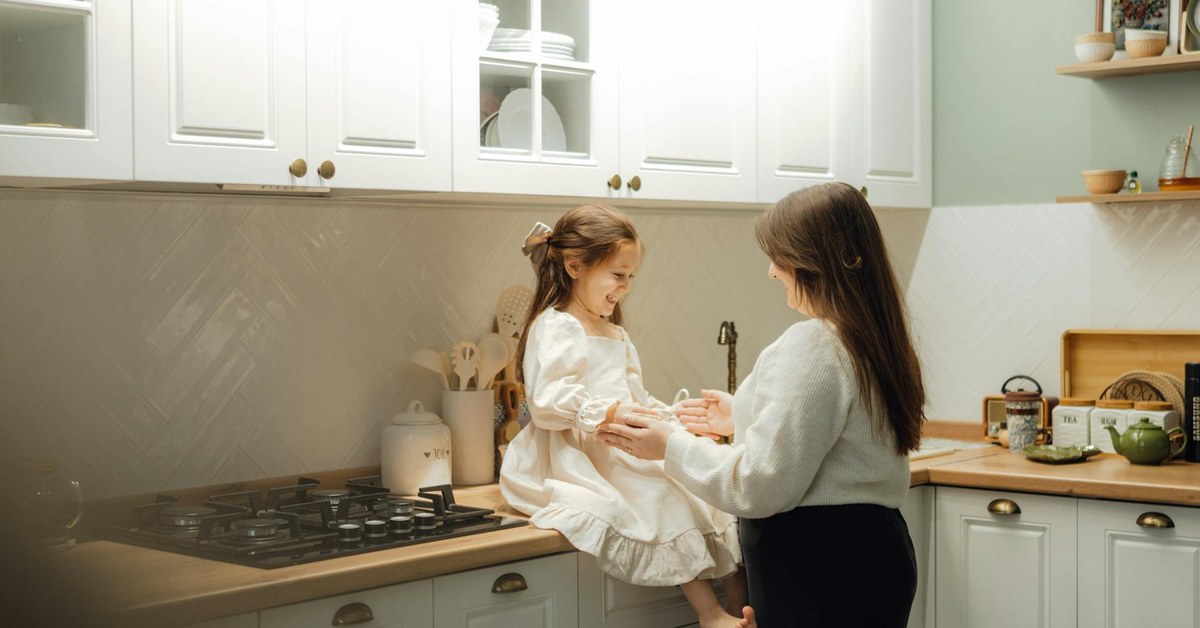

Empowering Your Family: Essential Daily Habits for Home Security
“Go beyond gadgets! Discover essential daily home security habits & routines to empower your family and create a safer living environment, no tech required.”
Creating a truly secure home environment extends far beyond installing the latest technology or robust locks. While these tools offer valuable protection, the most potent defence often lies in the consistent practice of daily home security habits by every family member. These routines, deeply ingrained into your everyday life, foster a proactive approach to safety, deterring potential threats and building a resilient family culture of awareness and responsibility. This article explores practical, non-tech home security practices that empower your family to maintain a safe and protected living space.
The Foundation: Why Habits Outperform Gadgets
While modern security systems offer impressive features, they are only as effective as the human element supporting them. A smart alarm system is useless if a window is left unlocked, or if a routine makes your home an obvious target. Daily habits cultivate a continuous state of vigilance and make security an integral part of family life, rather than an afterthought. This human-centric approach is often the most significant deterrent, as opportunistic criminals typically seek the path of least resistance.
“Security is not a product; it’s a process,” states a leading crime prevention officer. “The most secure homes are those where occupants are actively engaged in consistent, simple preventative behaviours, making their property less attractive to potential intruders.”
Consider that, globally, property crimes, including burglaries, remain a significant concern. According to data compiled by the United Nations Office on Drugs and Crime (UNODC), residential burglaries constitute a substantial portion of reported property offences in many regions worldwide. While specific figures vary, the consistent message from law enforcement agencies is that a significant percentage of these incidents are opportunistic, meaning they could have been prevented by basic security measures and vigilant habits.
Building a Security Mindset
Developing a security mindset involves recognising potential vulnerabilities and consistently taking steps to mitigate them. This proactive approach transforms passive worries into active solutions. It’s about empowering your family to be the first, and often most effective, line of defence.
Key Takeaway: Consistent daily home security habits, rather than solely relying on technology, are the most effective defence against opportunistic crime, fostering a proactive and resilient family security mindset.
Securing Your Perimeter: Daily Outdoor Habits
The exterior of your home provides the first impression and can either invite or deter potential intruders. Implementing smart daily outdoor habits can significantly reduce your home’s vulnerability.
1. Maintain a Tidy and Visible Exterior
An unkempt garden, overgrown shrubs, or piled-up rubbish can signal that a home is neglected or that its occupants are not particularly vigilant. Conversely, a well-maintained exterior suggests active occupancy and care.
- Trim Hedges and Shrubs: Ensure that hedges and shrubs near windows and doors are kept trimmed to prevent them from providing cover for intruders. Aim for clear sightlines from the street to your entry points.
- Clear Walkways and Driveways: Keep these areas free of clutter, rubbish, and anything that could obscure visibility or suggest an unoccupied home.
- Regular Mail and Newspaper Collection: If you are away, arrange for a neighbour or friend to collect your mail and newspapers daily. An overflowing letterbox is a clear sign of absence.
- Remove Delivery Boxes: Break down and dispose of delivery boxes promptly. Leaving them by the kerb advertises what new valuables might be inside your home.
2. Strategic Lighting Practices
Lighting is a powerful deterrent, especially in the evening and during darker months.
- Use Timer Switches: Install simple timer switches for interior lights, especially in living areas, to create the illusion of occupancy when you are out or away. Vary the timing slightly to make it less predictable.
- Exterior Lighting Checks: Regularly check that exterior lights (porch lights, security lights) are functioning correctly. Replace bulbs promptly. Consider low-energy dusk-to-dawn lighting for continuous illumination.
- Close Curtains and Blinds: As dusk approaches, make it a habit to close curtains and blinds, preventing outsiders from peering into your home and scouting for valuables.
3. Neighbourhood Watch and Community Engagement
Engaging with your neighbours is a fundamental non-tech home security practice. A strong community network acts as a collective deterrent.
- Know Your Neighbours: Introduce yourselves and exchange contact details. A simple wave or chat can build trust and encourage mutual vigilance.
- Look Out for Each Other: Agree to watch each other’s properties, especially when someone is away. Report any suspicious activity to your neighbour and, if necessary, to local law enforcement agencies.
- Participate in Local Initiatives: If your area has a Neighbourhood Watch scheme or similar community safety group, consider joining. These organisations often share valuable local crime prevention information.
Next Steps for Outdoor Security: Conduct a ‘security audit’ of your home’s exterior with your family. Identify any areas that offer concealment for potential intruders or signal a lack of vigilance.
Entry Point Vigilance: Doors, Windows, and Access
The most common entry points for intruders are doors and windows. Establishing strict daily habits for securing these points is paramount.
1. The “Lock Up” Routine
This is perhaps the most critical daily habit. Every family member should understand and follow a consistent routine for securing all entry points.
- Before Leaving Home:
- Check All Doors: Ensure all external doors (front, back, patio, garage access) are securely locked, using deadbolts if installed.
- Check All Windows: Verify that all windows, including those on upper floors and in basements, are closed and locked. Even small, seemingly inaccessible windows can be a vulnerability.
- Secure Pet Doors: Ensure pet doors are secured or locked from the inside when you leave.
- Before Going to Bed:
- Repeat the ‘check all doors and windows’ routine. This is crucial as many opportunistic entries occur overnight.
- Ensure any outbuildings, sheds, or garages are also locked.
2. Key Management and Security
Misplaced or easily accessible keys are a significant risk.
- Designated Key Location: Establish a secure, out-of-sight location inside your home for keys, away from doors and windows. Avoid leaving keys in locks on the inside of the door, as they can be ‘fished’ out.
- No Hiding Keys Outside: Never hide spare keys under doormats, in plant pots, or above door frames. These are common spots known to criminals. If a spare key is essential, entrust it to a trusted neighbour or family member who lives nearby.
- Key Inventory: For older children and adults, encourage awareness of how many sets of keys exist for your home and who has them. Report lost keys promptly and consider changing locks if there’s any concern about a lost key falling into the wrong hands.
3. Door and Window Reinforcement Checks
While not strictly a daily habit, making occasional checks of the integrity of your doors and windows should be part of your family’s broader [INTERNAL: comprehensive home security plan].
- Check Lock Functionality: Ensure all locks operate smoothly and securely. Lubricate them if necessary.
- Assess Door and Window Frames: Look for signs of wear, rot, or damage that could compromise their strength.
- Review Door Hinges: Ensure hinges on outward-opening doors are secured with non-removable pins.
Next Steps for Entry Point Security: Create a visible checklist for your family, detailing all doors and windows that need to be secured before leaving or going to bed.
Inside the Home: Protecting Valuables and Information
Home security isn’t just about preventing entry; it’s also about what happens if an intruder does get in. Daily habits can minimise potential losses and protect sensitive information.
1. Valuables Out of Sight
Opportunistic thieves often ‘window shop’ or quickly scan rooms for easily visible items.
- Don’t Display Valuables Near Windows: Avoid leaving expensive electronics, jewellery, or large sums of cash visible from outside.
- Secure Small, High-Value Items: Make it a habit to put away jewellery, wallets, and portable electronics in less obvious places, or in a secure, fire-resistant safe.
- Use Curtains and Blinds: As mentioned, closing window coverings at night prevents outsiders from casing your home.
2. Information Security (Physical Documents)
Even without digital technology, physical documents can contain sensitive information.
- Shred Sensitive Documents: Make it a routine to shred or securely destroy documents containing personal information (utility bills, old statements, medical records) before discarding them. A simple cross-cut shredder is an inexpensive and effective tool.
- Secure Important Documents: Keep passports, birth certificates, property deeds, and other vital documents in a secure, fire-resistant safe or a locked cabinet.
- Mail Handling: Do not leave incoming or outgoing mail on display where it can be seen through a window or easily stolen from an unsecured mailbox.
3. Creating a Safe Room or Secure Area
While not a daily habit, identifying a designated ‘safe room’ or secure area within your home and discussing its purpose with your family is a crucial preparedness measure. This could be a room with a solid door and window, where family members can retreat and lock themselves in during an emergency.
Next Steps for Interior Security: Discuss with your family where important documents and high-value items are stored. Encourage everyone to be mindful of what is visible from outside the home.
Cultivating a Family Security Mindset: Communication and Drills
True home security is a team effort. Engaging every family member, regardless of age, in [INTERNAL: family emergency preparedness] and daily security practices fosters a collective sense of responsibility and empowerment.
1. Regular Family Security Discussions
Open communication is key to building awareness and ensuring everyone understands their role.
- Discuss Potential Scenarios: Talk about what to do if someone knocks on the door when an adult is not home, or if a suspicious person is seen outside.
- Review Security Routines: Periodically review your family’s ‘lock up’ routine and other daily habits. Ask younger children what they remember about the rules.
- Emphasise ‘Stranger Danger’ in Context: Explain to children why specific security measures are in place, linking them to their personal safety without causing undue fear. For example, “We lock the door to keep everyone in our family safe and our belongings protected.”
2. Practice Emergency Drills
Just as families practice fire drills, rehearsing responses to security incidents can be invaluable.
- “What If” Scenarios: Role-play scenarios like “What if someone tries to get in?” or “What if you hear a strange noise at night?”
- Safe Room Practice: Practice moving to your designated safe room quickly and quietly.
- Communication Protocols: Establish clear communication protocols for emergencies, such as a designated meeting point outside the home in case of evacuation, and who to contact (e.g., a trusted neighbour or emergency services).
3. Recognising and Reporting Suspicious Activity
Empower every family member to recognise and report anything that seems out of place.
- Define ‘Suspicious’: Explain what constitutes suspicious behaviour (e.g., someone loitering, looking into windows, unfamiliar vehicles parked for extended periods).
- Reporting Protocol: Establish a clear protocol for reporting:
- To an adult in the home immediately.
- To a trusted neighbour if an adult isn’t present.
- To local law enforcement agencies if there’s an immediate threat or concern.
- Trust Your Instincts: Teach family members, especially teenagers, to trust their gut feelings. If something feels wrong, it probably is.
Next Steps for Family Mindset: Schedule a family meeting to discuss home security, assign roles, and perhaps conduct a simple drill.
Age-Appropriate Roles in Home Security
Every family member can contribute to daily home security habits. Tailoring responsibilities to age and capability ensures everyone feels empowered and engaged.
Young Children (Ages 3-7)
- Understanding ‘No Strangers’: Teach them not to open the door to strangers and to always ask an adult.
- Key Recognition: Help them recognise house keys and understand they are not toys.
- Basic Rules: “We always close the door behind us.” “We don’t tell people we don’t know where we live.”
Older Children (Ages 8-12)
- Locking Doors and Windows: Teach them how to properly lock and unlock doors and windows. Supervise them initially.
- Key Responsibility: Give them a designated place for their own keys (if they have them) and teach them to never leave keys in the lock or outside.
- Reporting Suspicious Activity: Empower them to tell an adult immediately if they see something unusual.
- Curtain Duty: Assign them the task of closing curtains or blinds in their rooms at dusk.
Teenagers (Ages 13-18)
- Full Security Check: Entrust them with the full ‘lock up’ routine before leaving the house or going to bed.
- Home Alone Protocols: Ensure they understand all protocols for being home alone, including what to do if the doorbell rings, how to handle deliveries, and emergency contacts.
- Valuables Awareness: Encourage them to secure their own valuables and not leave them in plain sight.
- Community Vigilance: Encourage them to be aware of their surroundings and report anything suspicious, not just at home, but in the neighbourhood too.
- Social Media Awareness: While this article focuses on non-tech security, it’s vital to briefly mention that teenagers should be taught not to post details about family holidays or absences on social media, as this can inadvertently compromise physical home security.
Adults
- Lead by Example: Consistently follow all daily security habits.
- Regular Audits: Periodically review and update your family’s security plan and habits.
- Community Engagement: Be the primary point of contact for Neighbourhood Watch and local law enforcement.
- Education and Empowerment: Continually educate and empower all family members in their security roles.
Next Steps for Age-Appropriate Roles: Sit down with each child and teenager individually to discuss their specific roles and responsibilities, ensuring they understand and feel capable.
What to Do Next
Implementing these daily home security habits requires commitment and consistency, but the peace of mind and enhanced safety they provide are invaluable. Start small, build momentum, and involve your entire family in creating a secure and protected home.
- Conduct a Family Security Audit: Walk through your home and garden with your family, identifying potential vulnerabilities and discussing current habits.
- Establish a “Lock Up” Checklist: Create a simple, visible checklist for all doors and windows to be secured before leaving or going to bed.
- Schedule Regular Family Security Talks: Make it a routine to discuss security scenarios and review habits, fostering open communication and awareness.
- Engage with Your Community: Connect with neighbours and consider joining local crime prevention initiatives to build a stronger collective defence.
- Review and Adapt: Periodically reassess your daily habits and make adjustments as your family’s needs or circumstances change.
Sources and Further Reading
- United Nations Office on Drugs and Crime (UNODC): https://www.unodc.org/
- NSPCC (National Society for the Prevention of Cruelty to Children): https://www.nspcc.org.uk/
- Crimestoppers UK: https://crimestoppers-uk.org/ (For general crime prevention advice relevant globally)
- Neighbourhood Watch Network: https://www.ourwatch.org.uk/ (Principles applicable to community vigilance globally)
- The Red Cross: https://www.redcross.org/ (For broader emergency preparedness)