What to Do If Your Data Is Breached
Finding out your personal data has been exposed can be alarming. This step-by-step guide walks young adults through exactly what to do after a data breach, from securing accounts to monitoring for fraud.
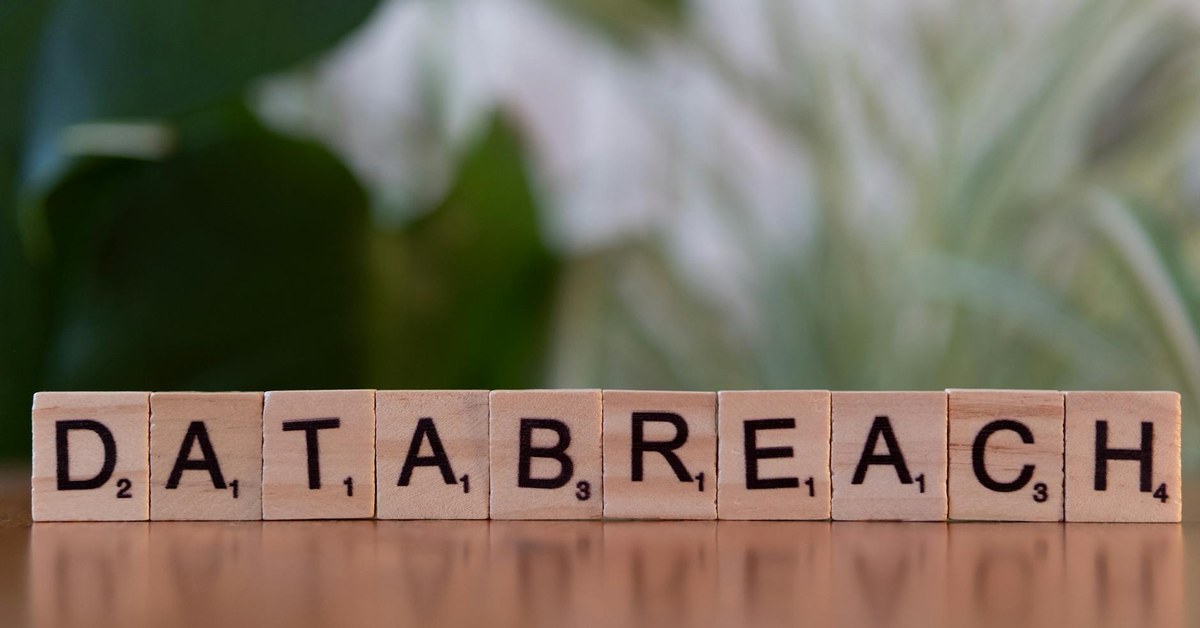

What to Do If Your Data Is Breached
“Finding out your personal data has been exposed can be alarming. This step-by-step guide walks young adults through exactly what to do after a data breach, from securing accounts to monitoring for fraud.”
What Is a Data Breach and Why Should You Care?
A data breach occurs when unauthorised individuals gain access to sensitive or confidential information stored by a company, organisation, or platform. For young adults who have grown up sharing information online, the consequences of a breach can feel abstract until they happen to you. In reality, a breach involving your personal data can lead to identity theft, financial fraud, targeted phishing attacks, and a long, stressful process of reclaiming your digital security.
Data breaches happen to companies of all sizes, from small startups to global corporations. Retailers, health services, social media platforms, universities, and gaming companies have all experienced significant breaches in recent years. No sector is immune, and the scale of modern breaches means millions of people can be affected at once.
Understanding what to do in the immediate aftermath of a breach, and in the weeks that follow, is an essential life skill in today's world. This guide walks you through each step clearly and practically.
Step One: Confirm Whether You Were Affected
The first thing to do is verify whether your data was actually included in the breach. Companies are legally required in many countries to notify affected users, but notifications can be slow or may land in your spam folder. Do not rely solely on waiting for a message.
Use a trusted service such as Have I Been Pwned (haveibeenpwned.com) to check whether your email address has appeared in any known data breaches. This free tool aggregates information from publicly reported breaches and will tell you which services were compromised and what types of data were exposed.
If the company involved has issued a public statement, read it carefully. Look for specifics: what data was taken, when the breach occurred, and when it was discovered. A company that is vague or evasive may be downplaying the severity, so check independent news sources and cybersecurity reporting sites for more detail.
Step Two: Change Your Passwords Immediately
If your login credentials were included in the breach, change your password straight away. Do not delay. Even if you are unsure whether your password was exposed, changing it costs you nothing and eliminates a significant risk.
When creating a new password, make it long and unique. A strong password is typically at least 12 characters and combines uppercase and lowercase letters, numbers, and symbols. Avoid using words, names, or dates that relate to you personally.
Crucially, do not reuse passwords across multiple sites. This is one of the most common mistakes people make, and it is exactly what attackers exploit. If the same password protects your email, your banking app, and your social media accounts, a breach on one platform gives criminals access to all of them. This technique is known as credential stuffing, and it is widely used.
A password manager makes it far easier to maintain unique, complex passwords for every account. Applications such as Bitwarden, 1Password, and Dashlane can generate and store passwords securely, meaning you only need to remember one master password.
Step Three: Enable Two-Factor Authentication
Two-factor authentication (2FA) adds an extra layer of security beyond your password. Even if an attacker obtains your login credentials, they cannot access your account without a second form of verification, typically a code sent to your phone or generated by an authenticator app.
Enable 2FA on every account that supports it, starting with your most sensitive accounts: email, banking, and any platforms that store payment details or personal information. Authentication apps such as Google Authenticator, Authy, or Microsoft Authenticator are more secure than SMS codes, which can be intercepted through SIM-swapping attacks.
Some platforms also offer hardware security keys, which are physical devices that plug into your device and confirm your identity. These are the most secure form of 2FA available to consumers, though they are not essential for most people's everyday needs.
Step Four: Check Your Financial Accounts
If financial information such as credit card numbers, bank account details, or payment history was part of the breach, monitor your accounts closely. Log in to your banking app or website and review recent transactions for anything unfamiliar. Even small, seemingly insignificant charges can indicate that someone is testing a stolen card before making larger purchases.
Contact your bank or card provider if you notice anything suspicious. In many countries, you are protected against fraudulent transactions and may be entitled to a refund if you report the issue promptly. Ask your bank about placing a temporary alert on your account, which will flag unusual activity.
If your national identification number, social insurance number, or equivalent was breached, the risk of identity fraud is more serious. In this case, consider contacting your national credit bureaus. In the United Kingdom, these include Experian, Equifax, and TransUnion. In Australia, they include Equifax Australia, Experian Australia, and illion. In the United States, they are Experian, Equifax, and TransUnion. You can request a copy of your credit report and, in some jurisdictions, place a fraud alert or credit freeze that makes it harder for someone to open new accounts in your name.
Step Five: Watch Out for Phishing Attempts
After a data breach, you become a more attractive target for phishing attacks. Criminals who have obtained your name, email address, and other personal details may craft convincing messages that appear to come from legitimate sources, including the very company that was breached.
Be sceptical of any unsolicited email, text message, or phone call asking you to click a link, confirm your details, or take urgent action. Legitimate companies will not ask for your password by email. They will not threaten account suspension unless you act immediately. These are hallmarks of phishing.
Always navigate directly to a website by typing the address into your browser rather than clicking links in emails. Check sender addresses carefully; a message that appears to come from your bank may actually originate from a slightly altered domain. If in doubt, call the organisation directly using a number you find on their official website.
Step Six: Secure Your Email Account
Your email account is the master key to your digital life. If someone gains access to it, they can reset the passwords on virtually every other account you own. Treating your email security as a top priority is therefore essential.
Change your email password, enable 2FA, and review your account's security settings. Check for any unfamiliar devices that are logged in, look at your forwarding rules (attackers sometimes set up silent forwarding to intercept messages), and review any connected apps or third-party services that have access to your account.
Also check whether your email provider has any alerts or recovery options that are out of date, such as an old phone number or secondary email address. Update these to ensure that you, and not an attacker, retain control over account recovery.
Step Seven: Review Your Social Media Privacy Settings
Social media platforms hold a great deal of personal information, and a breach involving one can have broader consequences. After any significant breach, take the opportunity to review the privacy settings on your social accounts.
Limit who can see your posts, your contact information, and your location data. Remove any apps or third-party integrations that you no longer use or do not recognise. Be wary of requests to link accounts, as this can expose data across multiple platforms simultaneously.
It is also worth auditing what personal information you have shared publicly. Your date of birth, phone number, hometown, and employer are all details that can be used to answer security questions or to craft convincing impersonation attempts.
Step Eight: Report the Breach If Necessary
Depending on where you live, you may have the right to report a data breach to a regulatory body. In the United Kingdom, the Information Commissioner's Office (ICO) handles complaints about data breaches. In the European Union, you can contact your national data protection authority. In Australia, reports can be made to the Office of the Australian Information Commissioner (OAIC). In Canada, complaints go to the Office of the Privacy Commissioner.
Reporting a breach does not always result in direct action on your individual case, but it helps regulators identify patterns, hold companies accountable, and improve industry-wide data security. If you believe a company was negligent in protecting your data, a formal complaint is a reasonable step.
Step Nine: Stay Vigilant in the Long Term
The aftermath of a data breach does not end after a few days. Stolen data is often sold on the dark web and can be used months or even years after it was first obtained. Long-term vigilance is part of protecting yourself.
Set up alerts where possible. Many banks and credit card providers offer real-time notifications for transactions. Some credit monitoring services will also alert you if a new account is opened in your name or if your credit score changes significantly. In many countries, such services are available for free or at low cost.
Periodically check your accounts for unfamiliar activity, even when nothing seems wrong. Make a habit of reviewing your credit report at least once a year. Keep your devices updated, as security patches close vulnerabilities that attackers might otherwise exploit.
Understanding the Emotional Impact
It is worth acknowledging that discovering your data has been breached can cause genuine anxiety. Feelings of violation, helplessness, or anger are understandable. The situation can feel overwhelming, particularly if you are dealing with financial fraud or identity theft on top of everything else.
Try to approach the response methodically rather than reacting in a panic. Work through the steps above one at a time. Reach out for help when you need it, whether that is from your bank, a consumer rights organisation, or a friend who is technically minded. Many countries also have dedicated support services for victims of identity theft and fraud.
Taking proactive steps, however small they feel in the moment, reduces your risk and helps restore a sense of control. The majority of people who experience data breaches do not go on to suffer serious harm, especially when they respond quickly and thoughtfully.
Building Better Habits Going Forward
A data breach, while stressful, can be a useful prompt to overhaul your digital security habits. Use this experience as an opportunity to assess your broader online safety. Ask yourself: are you using unique passwords everywhere? Have you enabled 2FA on your most important accounts? Do you know how to spot a phishing email?
Investing a few hours in strengthening your digital hygiene now can prevent much greater problems down the line. The fundamentals are not complicated, and once they are in place, they require relatively little ongoing effort to maintain.
Data breaches are an unfortunate reality of modern life, and exposure at some point is almost inevitable for people who use the internet regularly. What matters is how you respond. With the right knowledge and a calm, methodical approach, you can protect yourself effectively and move forward with greater confidence in your digital security.