Dating Violence: Early Warning Signs and How to Get Out
Dating violence affects people across all backgrounds and cultures. This guide helps young adults identify early warning signs, understand the dynamics of abusive relationships, and find safe routes out.
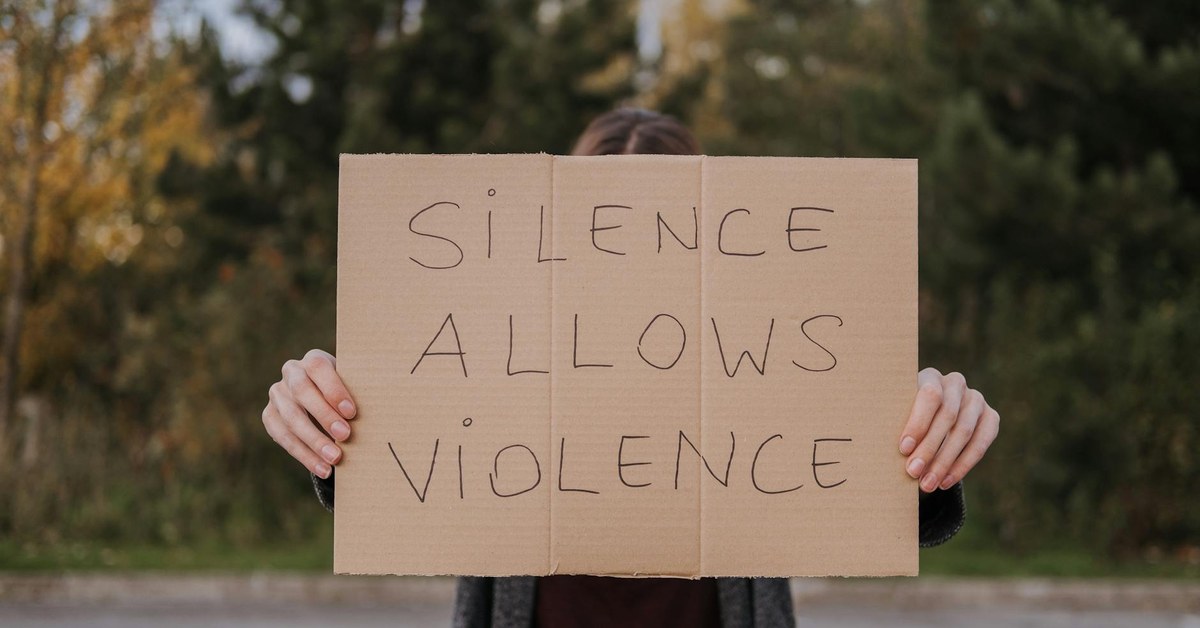

Dating Violence: Early Warning Signs and How to Get Out
“Dating violence affects people across all backgrounds and cultures. This guide helps young adults identify early warning signs, understand the dynamics of abusive relationships, and find safe routes out.”
Understanding Dating Violence
Dating violence is a pattern of abusive behaviour used by one person to maintain power and control over another in a romantic or intimate relationship. It affects people of all ages, genders, sexual orientations, cultural backgrounds, and socioeconomic statuses. However, young adults between the ages of 16 and 24 experience dating violence at particularly high rates, according to data from multiple national and international health organisations.
Despite this prevalence, dating violence is significantly underreported and frequently unrecognised, both by those experiencing it and those around them. This is partly because the early stages of an abusive relationship can be difficult to distinguish from intense romantic interest, and partly because societal narratives around love can normalise controlling behaviour as a form of care.
This article aims to clarify what dating violence looks like in practice, explain the psychological mechanisms that make it difficult to identify and leave, and provide practical guidance for anyone who suspects they may be in an abusive relationship.
What Dating Violence Includes
Dating violence is not limited to physical assault. It encompasses a broad range of harmful behaviours, many of which cause significant damage without leaving visible marks. Understanding the full spectrum is essential because non-physical forms of abuse are often dismissed or minimised, including by those experiencing them.
Physical violence includes hitting, slapping, pushing, choking, restraining, or any other use of physical force against a partner. Choking (sometimes called strangulation) is a particularly serious indicator of escalating violence and is associated with a substantially higher risk of serious injury or death.
Emotional and psychological abuse involves behaviours intended to undermine a person's sense of self-worth, including constant criticism, humiliation, name-calling, belittling, and making a partner feel that they are worthless, stupid, or unattractive. It may also involve gaslighting, a pattern in which the abusive partner denies events, contradicts the victim's account of reality, and causes them to question their own memory and perception.
Coercive control is a pattern of behaviour that seeks to take away a person's liberty and autonomy. It includes monitoring movements and communications, controlling finances, isolating someone from friends and family, dictating what someone wears or eats, and using threats to maintain compliance. Coercive control is now a criminal offence in England and Wales, Scotland, Ireland, and several other jurisdictions, reflecting its serious and sustained impact on victims.
Sexual coercion and violence within relationships includes pressuring a partner into sexual activity they do not want, ignoring a partner's refusal or withdrawal of consent, and sexual assault. The existence of a relationship or prior sexual activity does not constitute ongoing consent.
Digital abuse includes monitoring a partner's phone or social media accounts without permission, demanding access to passwords, sharing intimate images without consent (sometimes called image-based abuse or revenge pornography), and using technology to track, harass, or surveil a partner.
Early Warning Signs: What to Watch For
Abusive relationships rarely begin with obvious violence. More commonly, they begin with behaviours that may feel, at the outset, like flattering intensity or devoted attention. Recognising the early warning signs before the relationship has deepened significantly is considerably easier than trying to exit a well-established abusive dynamic.
Moving very fast is a common early warning sign. A partner who pushes for rapid commitment, uses language like "soulmate" or "the one" very early, wants to define the relationship exclusively within weeks, and becomes upset or withdraws affection if you are not ready to match their pace may be establishing a dynamic of pressure and dependency rather than genuine connection.
Jealousy framed as love is one of the most commonly misread early signs. Jealousy that escalates into demands to know your whereabouts, suspicion of platonic relationships, anger when you spend time with others, and checking your phone is not romantic devotion. It is a form of control that typically intensifies over time.
Isolation from support networks is a key feature of controlling relationships. A partner who subtly or overtly discourages your relationships with friends and family, creates conflict around time you spend with others, or makes you feel guilty for prioritising other people is cutting off the networks that would otherwise support you to leave if the relationship became abusive.
Unpredictable mood swings and walking on eggshells is a significant warning sign. If you find yourself constantly monitoring your partner's emotional state, modifying your behaviour to prevent their anger, or feeling that any ordinary remark might trigger a disproportionate reaction, the relationship has an unhealthy power dynamic that is likely to worsen.
Minimising, denying, and blaming are early indicators of an abusive dynamic. A partner who denies saying things you remember them saying, minimises the impact of their hurtful behaviour, or consistently attributes their actions to something you did is demonstrating a pattern that undermines your confidence in your own perception.
Threats and ultimatums, even early in a relationship, are serious warning signs. These may be framed subtly: "I don't know what I'd do if we broke up" can be a manipulative statement rather than a tender one, depending on context and pattern. More explicit threats, even if later dismissed as jokes, should be taken seriously.
Why People Stay
A common and harmful misconception is that people remain in abusive relationships because they are passive, weak, or lack self-respect. The reality is significantly more complex, and understanding why people stay is essential for anyone trying to support a friend or family member who is experiencing dating violence.
Abusive relationships typically involve cycles of violence followed by periods of remorse, affection, and apparent change. These cycles create powerful emotional bonds that are reinforced by the hope that the loving version of a partner will return and prevail. The psychological term for this dynamic is trauma bonding: an attachment formed under conditions of intermittent reward and harm that is extremely difficult to break.
Fear is the most significant reason people remain in abusive relationships. Research consistently shows that the period of leaving an abusive relationship is the most dangerous. The risk of serious violence, including homicide, increases significantly when an abusive partner believes they are losing control. This is not a reason to stay, but it is a reason why leaving requires careful planning and support.
Financial dependence, shared accommodation, children, cultural and family pressures, immigration status, and shame are all factors that complicate leaving. LGBTQ+ individuals in abusive relationships face additional barriers including fear of being outed, lack of visibility in support services designed around heterosexual relationships, and community dynamics that make confidentiality harder to maintain.
People experiencing abuse often have diminished self-worth as a result of the sustained psychological harm of the relationship. They may have been told repeatedly that they are lucky to have their partner, that no one else would want them, or that the abuse is their own fault. Rebuilding the sense of self-worth necessary to recognise one's right to safety takes time, and it is unrealistic to expect that people will simply leave the moment they are told they should.
How to Leave Safely
If you are in an abusive relationship and are considering leaving, safety planning is the most important preparation you can do. This involves thinking through the practical aspects of leaving in advance, so that you have a plan to follow if circumstances become suddenly unsafe, and so that your departure is as protected as possible.
Speaking confidentially with a domestic abuse helpline before you leave is strongly recommended. Trained advisors can help you plan your departure, identify local refuge or housing options, understand your legal rights, and access support services. Most countries have national helplines that are free and confidential; many operate 24 hours a day and offer chat-based options for those who cannot safely make a phone call.
If you live with your partner and are planning to leave, having a bag with essential documents (passport, bank cards, medication, any children's items), some money, and a spare phone or charger ready in a safe location outside the home is advisable. Know the number of at least one person you can call and one place you can go if you need to leave suddenly.
Telling a trusted person in your life what is happening is important, both for your safety and for your emotional wellbeing. The isolation that abusive partners create is a deliberate strategy, and reconnecting with supportive people before you leave helps counteract it.
If you are concerned about digital surveillance, be mindful that your abusive partner may have access to your phone, email, or location data. Accessing support services from a device your partner does not use, clearing your browser history, and changing passwords from a safe device are practical steps. Specialist advisors at domestic abuse organisations can advise further on digital safety specific to your situation.
After Leaving: Ongoing Safety and Recovery
Leaving an abusive relationship does not automatically mean the abuse stops. Many people experience continued harassment, stalking, or threats after separation. Keeping records of any continued contact or threats, blocking the person on all digital platforms, informing trusted colleagues or neighbours, and speaking with police about a protection order or non-molestation order (depending on your jurisdiction) are all appropriate steps.
Emotionally, recovering from a relationship that involved sustained abuse takes time and often requires professional support. Counselling or therapy with a practitioner experienced in trauma and domestic abuse can help you process what you have experienced, rebuild your sense of self, and develop healthier relationship patterns in the future.
Give yourself patience. The effects of coercive control and emotional abuse do not resolve quickly, and it is normal to experience grief, confusion, and self-doubt even after leaving a relationship you know was harmful. Recovery is not linear, but with support, it is achievable.
How to Support a Friend
If you are concerned that a friend is in an abusive relationship, the most important thing you can do is maintain the relationship without pressure. Abusive partners work to isolate their victims; staying connected, without criticising the partner or issuing ultimatums, keeps you available as a resource when your friend is ready to take action.
Listening without judgment, naming what you observe without telling someone what to do, expressing care for their safety rather than anger at their partner, and letting them know that you are there regardless of what they decide are all more effective than confrontational approaches that may push them further away.
Sharing the contact details of a domestic abuse helpline, framed as something they might find useful, is a practical and low-pressure way of providing access to professional support without demanding that they use it immediately.
You Deserve Safety
Every person in a relationship has the right to be treated with respect, honesty, and care. Dating violence is never the fault of the person experiencing it, regardless of circumstances, behaviour, or what the abusive partner has said. The responsibility for abusive behaviour lies entirely with the person who chooses to behave that way.
Recognising the warning signs early, understanding the dynamics that make abuse hard to leave, and knowing where to turn for help are all tools that can protect young adults from the devastating long-term consequences of dating violence. If you are concerned about your own safety or the safety of someone you know, please reach out to a domestic abuse organisation in your country today.