When a Pet Dies: Helping Children Through the Loss
A compassionate guide for parents on helping children cope with the death of a pet, covering how to talk to children of different ages about pet death, the grief process, and how to mark the loss meaningfully.
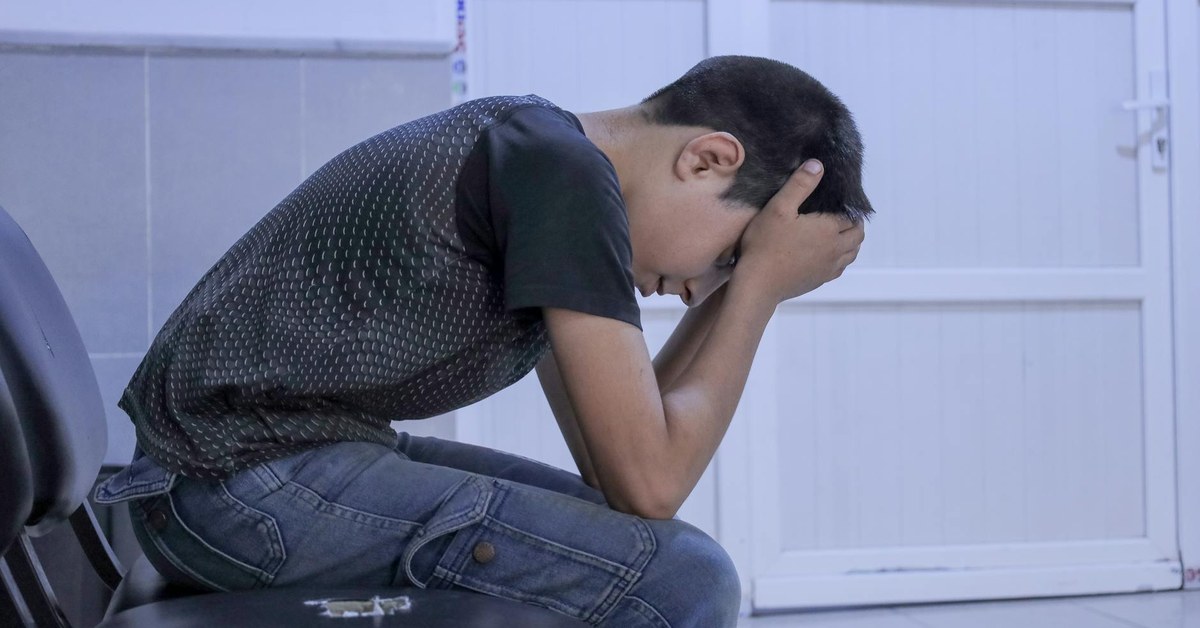

When a Pet Dies: Helping Children Through the Loss
“A compassionate guide for parents on helping children cope with the death of a pet, covering how to talk to children of different ages about pet death, the grief process, and how to mark the loss meaningfully.”
Pet Loss and Children: A Genuine Grief
The death of a pet is often a child�s first significant experience of loss and grief. Adults sometimes underestimate the depth of a child�s connection to an animal companion and may unintentionally minimise the grief, suggesting that a new pet can be acquired, or that the sadness will pass quickly. For many children, the loss of a pet is as profound as any other significant bereavement, and the way it is handled can either provide valuable experience in processing grief, or leave the child with unacknowledged, unsupported loss.
Pet loss also offers something rare: the opportunity to have age-appropriate, honest conversations about death in a context where the death is not catastrophic, where the child has some emotional distance from human mortality, and where the grief, while real, is typically more manageable than the loss of a human family member. Handling pet loss well is an investment in children�s capacity to navigate loss throughout their lives.
Telling Children About a Pet�s Death
Use clear, honest language. The words died and death are preferable to euphemisms such as put to sleep, gone away, or passed on. Euphemisms create confusion: a child told their dog was put to sleep may develop fear around going to sleep themselves, and a child told the cat has gone away may expect its return.
Tell children as soon as possible rather than trying to hide the death. Children who discover they were not told the truth, or who sense something has happened and are not given information, typically find the deception or silence harder than the reality would have been.
If the death was expected, for example because the animal was old or ill, prepare children in advance where possible: your cat is very old and sick, and the vet thinks she does not have long left. This allows children to begin processing before the actual death and may create opportunities for farewell.
If the death was sudden, be honest about this too, in age-appropriate terms. A child who is told the dog was hit by a car does not need graphic details but deserves an honest explanation of what happened.
Age-Specific Responses to Pet Loss
Under 4
Very young children may not understand death as permanent. They may ask repeatedly where the pet is or when they are coming back. Answer calmly and honestly each time: the dog died and he is not coming back. We miss him. Allow young children to see your own sadness in a manageable way: adults who never show sadness around death teach children that it is not safe to grieve.
Ages 4 to 7
Children this age understand that the pet is gone but may have magical thinking about death: wondering if the animal is cold underground, whether it can come back, or whether it was their fault. Address magical thinking directly and gently. Make clear that the death was not their fault. Answer questions about what happens to the body honestly and simply.
Ages 8 to 12
Older children understand the permanence and universality of death and may grieve intensely. They may also begin to think about the mortality of other loved ones, including human family members and the parents themselves. This is a normal cognitive response to encountering death and can be addressed with calm honesty: yes, all living things die eventually. Our family members are healthy and we hope to have them for a very long time.
Teenagers
Teenagers may find pet loss triggers deeper reflection on mortality, meaning, and loss. They may grieve privately or may want to talk. Make space for both without pressure. Some teenagers who dismiss the death publicly may be grieving more deeply than they show.
Memorialising and Marking the Loss
Rituals of loss are important for children as for adults. Allowing children to participate in decisions about what happens to the pet, viewing the body if they wish to, and taking part in a burial or other memorial helps make the death real and provides a sense of closure and respect for the relationship with the animal.
Simple memorials, a buried box with the pet�s favourite toy, a planted flower, a framed photograph, or a drawing made by the child, provide concrete, tangible markers of a relationship that mattered. These do not need to be elaborate to be meaningful.
Navigating the Decision to Euthanise
When an animal is suffering and euthanasia is the kindest choice, explaining this to children requires care. The explanation should be honest: the vet can give the animal medicine to stop all pain and help them die peacefully, rather than suffering. For many children, the concept that we choose to end suffering when recovery is not possible, given with love and care, is understandable and manageable. Some children want to be present for euthanasia: this is an individual family decision, and both options, being present and not being present, are valid.
Do not tell children that the vet put the pet to sleep without clarifying that this means a permanent, painless death, not ordinary sleep. The association of sleep with death can create significant fear around bedtime for young children who receive this explanation without clarification.
When to Replace the Pet
There is no correct timeline for getting a new pet after bereavement. Replacing a pet very quickly can communicate to children that the relationship with the deceased animal was not particularly significant and can also prevent healthy grieving. Waiting until the grief has been genuinely processed, and until the family actively wants a new animal rather than seeking to fill a void, is generally advisable. Involve children in this decision: they should want a new pet, not feel it is being imposed as a replacement they did not ask for.