Debunking Seatbelt Myths: Crafting Educational Campaigns for Skeptical Audiences
Learn how to craft effective seatbelt safety education campaigns by debunking common myths and addressing skepticism to improve compliance among reluctant road users.
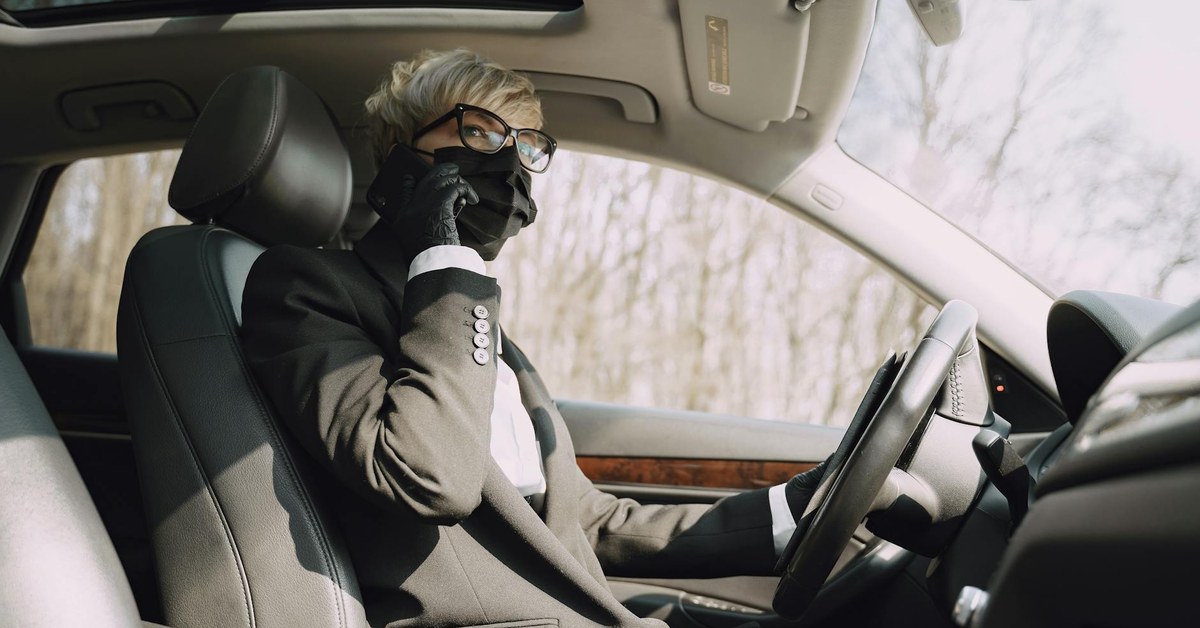

Debunking Seatbelt Myths: Crafting Educational Campaigns for Skeptical Audiences
“Learn how to craft effective seatbelt safety education campaigns by debunking common myths and addressing skepticism to improve compliance among reluctant road users.”
Seatbelts are undeniably one of the most effective safety devices in modern vehicles, yet a significant portion of the population remains unconvinced of their life-saving potential. This persistent skepticism often stems from deeply ingrained seatbelt myth education gaps and misinformation. To genuinely improve road safety outcomes, it is crucial to understand these misconceptions and develop robust educational campaigns that directly address them, fostering greater compliance among all road users.
The Persistent Challenge of Seatbelt Skepticism
Despite decades of public awareness campaigns and clear evidence, some individuals continue to resist consistent seatbelt use. This resistance is often rooted in a combination of factors, including personal discomfort, a perceived sense of invincibility, or a fundamental misunderstanding of crash dynamics. According to the World Health Organisation (WHO), road traffic injuries are a leading cause of death for children and young adults globally, and correct seatbelt use can reduce the risk of fatal injury by 45-50% for front-seat occupants. This stark statistic highlights the critical gap between understanding and behaviour.
“A transport safety analyst notes that psychological factors, such as optimism bias – the belief that bad things happen to others, not to oneself – play a significant role in individuals’ decision-making regarding seatbelt use,” explains a specialist in accident prevention. Effective road safety campaigns must acknowledge these underlying psychological barriers to truly resonate with skeptical audiences.
Common Seatbelt Myths and Their Realities
To build effective seatbelt myth education initiatives, it is essential to identify and directly counter the most prevalent transport safety misconceptions. Here, we debunk some of the frequently cited reasons for not buckling up:
“I’ll be trapped if the car catches fire or goes into water.”
Reality: This myth is dangerous. In a severe crash, an unbelted occupant is far more likely to be knocked unconscious or suffer debilitating injuries, making escape virtually impossible. A seatbelt significantly increases the chance of remaining conscious and able to react quickly to an emergency, such as unbuckling and evacuating the vehicle. Emergency services are trained to quickly extricate belted occupants, and being secure in your seat is your best chance of survival and escape.
“It’s safer to be thrown clear in a crash.”
Reality: Being ejected from a vehicle is almost always catastrophic. Data consistently shows that occupants ejected from a vehicle are four times more likely to die than those who remain inside. The interior of a car, with its airbags and crumple zones, is designed to absorb impact energy and protect occupants. Being thrown out means losing this crucial protection and risking impact with unforgiving surfaces like roads, trees, or other vehicles.
“Seatbelts cause more injuries than they prevent.”
Reality: While a seatbelt can cause minor injuries – such as bruising or abrasions – during a collision, these are typically superficial compared to the severe, often fatal, injuries prevented. The purpose of a seatbelt is to distribute the force of impact across the strongest parts of the body, preventing violent contact with the steering wheel, dashboard, or windscreen, and keeping you inside the vehicle. The minor injuries from a seatbelt are a testament to its life-saving work.
“I’m only going a short distance or at low speed, so I don’t need one.”
Reality: The majority of road traffic collisions occur within a few kilometres of home and often at speeds considered “low.” Even at speeds as low as 30 km/h, the force of impact can be equivalent to falling from a three-storey building. Seatbelts are vital for all journeys, regardless of distance or speed, as sudden stops or unexpected impacts can happen anywhere, anytime.
“Pregnant women shouldn’t wear seatbelts.”
Reality: Seatbelt use is absolutely critical for pregnant women and their unborn children. The correct way to wear a seatbelt when pregnant is to position the lap belt low under the abdomen, across the hips and pelvic bone, and the shoulder belt across the collarbone, between the breasts, and to the side of the belly. This ensures both mother and baby are protected by distributing forces safely. An unbelted pregnant woman risks severe injury or even foetal loss in a collision.
“Children are safe in the back seat without a seatbelt.”
Reality: Children require appropriate child restraint systems or seatbelts, depending on their age, height, and weight. A standard adult seatbelt is designed for adults and may not fit smaller children correctly, leading to “seatbelt syndrome” injuries. Many countries have specific laws regarding child car seats and booster seats for children up to a certain age or height, recognising that proper restraints are essential for their safety. [INTERNAL: Understanding child car seat safety]
Crafting Effective Seatbelt Myth Education Campaigns
Developing effective safety education that transcends skepticism requires a multi-faceted approach, focusing on clear communication, empathy, and targeted strategies.
Data-Driven Communication
Campaigns must leverage compelling, evidence-based data. Visual aids, such as crash test footage comparing belted versus unbelted occupants, or clear infographics illustrating injury reduction statistics, can be highly impactful. Organisations like the United Nations Road Safety Fund provide extensive global data that can be localised and used to highlight the specific risks and benefits. For instance, a 2022 study by the European Transport Safety Council found that seatbelt non-use contributed to over 20,000 road fatalities in the EU between 2012 and 2021. Such figures underscore the scale of the problem.
Empathy and Understanding
Instead of simply dismissing myths, campaigns should acknowledge the underlying concerns, then gently redirect with factual information. A public health specialist advises, “It’s not enough to tell people they are wrong; we must understand why they believe what they do and offer credible, reassuring alternatives.” Focusing on positive outcomes – such as significantly increased survival chances and reduced injury severity – can be more persuasive than solely highlighting dangers.
Targeted Messaging and Channels
Different demographics require tailored messages. * Parents of young children: Focus on the safety of the entire family and the correct use of child restraint systems. * New drivers: Emphasise responsible driving habits and the legal consequences of non-compliance. * Older adults: Address specific comfort concerns and highlight seatbelt adjusters or extenders.
Utilise diverse channels, from traditional media to social media, community outreach programmes, and partnerships with driving schools. Interactive tools, such as online quizzes or virtual reality simulations demonstrating crash impacts, can be particularly effective.
Legislation and Enforcement as Reinforcement
While education is paramount, legislation and consistent enforcement play a critical role in changing driver compliance strategies. Visible police presence and penalties for non-compliance reinforce the message that seatbelt use is not optional. When education and enforcement work in tandem, they create a comprehensive safety culture. The International Road Federation highlights that countries with robust seatbelt laws and high enforcement rates consistently show lower rates of serious road injuries and fatalities.
Key Takeaway: Effective
seatbelt myth educationcampaigns must combine clear, data-driven communication with empathetic engagement, targeting specific audience concerns to overcome skepticism and promote consistent seatbelt use.
Overcoming Seatbelt Resistance: Practical Strategies
Beyond broad campaigns, individual and community-level strategies are vital for overcoming seatbelt resistance.
- Lead by Example: Parents, guardians, and community leaders have a powerful influence. Consistently buckling up themselves sends a clear message about safety.
- Personalised Education: For individuals who express specific myths, provide tailored information or direct them to resources that address their particular concerns. For instance, demonstrating how to properly adjust a seatbelt for comfort can alleviate some resistance.
- Peer-to-Peer Influence: Encourage safe driving advocates to share their experiences or knowledge within their social circles. A message from a trusted peer can often be more impactful than a general public service announcement.
- Interactive Workshops: Organise hands-on sessions using simulators or demonstration vehicles to show the physical forces involved in a crash and how seatbelts mitigate them. This experiential learning can be highly persuasive.
- Focus on the “Why”: Shift the conversation from mere compliance to the profound impact of seatbelt use – protecting loved ones, preventing life-altering injuries, and avoiding the immense emotional and financial burden of a preventable tragedy.
What to Do Next
- Educate Yourself and Your Family: Take time to understand the science behind seatbelt effectiveness and discuss it openly with everyone in your household, especially children and new drivers.
- Lead by Example: Always buckle up, every journey, every time, and ensure all passengers, including those in the back seat, do the same.
- Support Road Safety Campaigns: Participate in or support local
road safety campaignsthat promote seatbelt use and challengetransport safety misconceptions. - Advocate for Stronger Awareness: Encourage schools, workplaces, and community organisations to integrate
effective safety educationabout seatbelts into their programmes. - Check Your Vehicle’s Safety Features: Familiarise yourself with your car’s specific safety features, including seatbelt pre-tensioners and load limiters, and ensure all seatbelts are in good working order.
Sources and Further Reading
- World Health Organisation (WHO): Global Status Report on Road Safety
- United Nations Road Safety Fund: Promoting Road Safety Worldwide
- European Transport Safety Council (ETSC): Seatbelt and Child Restraint Use
- International Road Federation (IRF): Road Safety Initiatives
- Brake, the road safety charity: Seatbelt Information