Drug Testing Kits and Harm Reduction: What They Are
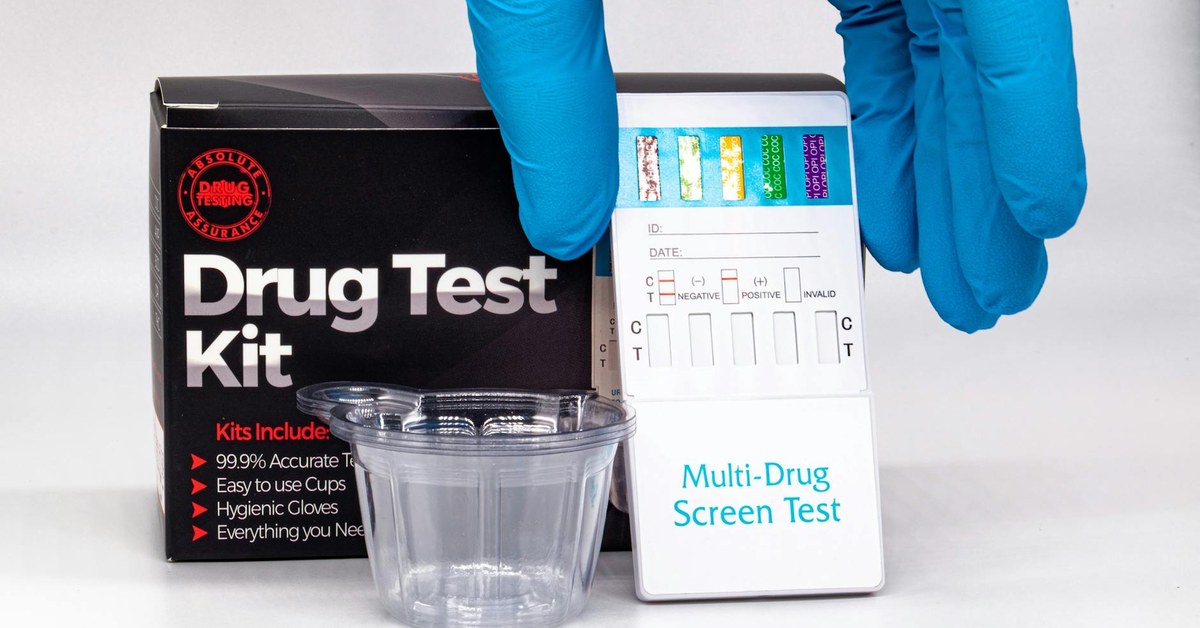
Drug testing kits are a practical harm reduction tool that can significantly reduce the risk of overdose and death. This guide explains how they work, where to get them, and why they matter.

Drug Testing Kits and Harm Reduction: What They Are
“Drug testing kits are a practical harm reduction tool that can significantly reduce the risk of overdose and death. This guide explains how they work, where to get them, and why they matter.”
What Is Harm Reduction?
Harm reduction is a public health approach that aims to decrease the negative consequences associated with drug use without necessarily requiring abstinence. Rather than focusing solely on preventing drug use, harm reduction accepts that some people will use substances regardless of the legal or social risks, and works to make that use as safe as possible.
The harm reduction philosophy is built on respect for individual autonomy and a recognition that judgemental or punitive approaches to drug use often push people away from services and support, making them less safe rather than more. Programmes rooted in harm reduction include needle exchange services, supervised consumption facilities, opioid substitution therapy, and drug testing services.
Drug testing kits are one of the most accessible and widely used harm reduction tools available to individuals. They allow people to analyse substances before consuming them, providing information that can reduce the risk of accidental overdose or poisoning from contaminated or misidentified drugs.
Why Drug Contamination Is a Serious Risk
The illegal drug supply is entirely unregulated. There is no quality control, no standardised dosing, and no requirement for manufacturers or dealers to disclose what is in their product. As a result, substances sold as one drug frequently contain other substances, either intentionally or as a result of cross-contamination during production or distribution.
Fentanyl and its analogues represent one of the most significant current threats. These synthetic opioids are extraordinarily potent, with fentanyl being roughly 100 times more powerful than morphine by weight. A quantity invisible to the naked eye can be enough to cause a fatal overdose. Fentanyl has been detected in substances sold as cocaine, MDMA, methamphetamine, and counterfeit prescription pills in numerous countries, including the United States, Canada, the United Kingdom, and Australia.
Other dangerous adulterants include levamisole (a veterinary medication found in cocaine that can suppress the immune system), nitazenes (a class of synthetic opioids more potent than fentanyl), benzodiazepines mixed into heroin or pressed pills, and various cutting agents that may cause serious physiological reactions.
Even substances that are not contaminated can vary dramatically in purity and potency. A sample of MDMA that is 80% pure will produce a very different effect to one that is 30% pure, with a much higher risk of overdose if a person doses based on prior experience with lower-purity product.
Types of Drug Testing Kits
There are several types of drug testing kits available to consumers, each with different capabilities, costs, and levels of accuracy. Understanding the differences is important for using them effectively.
Reagent Test Kits
Reagent kits are the most widely available and affordable option. They work by applying a small drop of liquid reagent to a tiny sample of the substance being tested. A chemical reaction occurs, changing the colour of the sample in a way that indicates what compounds may be present.
Common reagents include Marquis, Mecke, Mandelin, Simon's, Froehde, and Ehrlich. Different reagents react differently to different substances, so using multiple reagents together provides a more comprehensive picture. For example, the Ehrlich reagent is specifically designed to detect the presence of indoles, which includes MDMA and psychedelic substances. The Marquis reagent turns purple/black in the presence of MDMA and orange-brown in the presence of amphetamines.
Reagent kits have important limitations. They can confirm the presence of certain substances, but they cannot tell you about purity or quantity, and they may not detect all adulterants, particularly if a substance is present in very small amounts. A negative result does not guarantee a substance is safe.
Fentanyl Test Strips
Fentanyl test strips (FTS) are a simple, inexpensive tool that can detect the presence of fentanyl and many fentanyl analogues in a substance. They were originally developed for use in urine drug testing but have been adapted for harm reduction purposes.
To use fentanyl test strips, a small residue of the substance is dissolved in water, and the strip is dipped into the solution. The result appears within a few minutes, similar to a pregnancy test. One line indicates the presence of fentanyl; two lines indicate it was not detected.
It is worth noting that fentanyl test strips have a sensitivity threshold, and very low concentrations of fentanyl may not be detected. They also may not reliably detect all fentanyl analogues, including newer synthetic opioids such as carfentanil or nitazenes. Nonetheless, they represent a meaningful layer of protection and have been shown in multiple studies to change behaviour: people who receive a positive fentanyl result often choose not to use the substance, use less, use more slowly, avoid using alone, or have naloxone nearby.
Spectrometry-Based Testing Services
More sophisticated testing is available through drug checking services that use technologies such as mass spectrometry, infrared spectroscopy, or high-performance liquid chromatography. These methods can identify a much wider range of substances and provide quantitative information about purity and potency.
Such services are increasingly available at harm reduction centres, some music festivals and events, and through postal drug checking programmes in certain jurisdictions. They provide a level of detail that no home testing kit can match, and their results can meaningfully inform decisions about dose and safety.
In the UK, organisations like The Loop operate drug checking services at festivals and in some fixed settings. Similar services exist in Canada, the Netherlands, Portugal, and Australia. Access varies considerably by location and legal context.
How to Use Reagent Test Kits Effectively
Using a reagent test kit correctly improves its accuracy and your safety. The following steps outline good practice.
First, use a small, representative sample of the substance. This should be a few milligrams, roughly the size of a matchhead. Using a larger sample is unnecessary and wasteful; using too little may produce a weak or unclear reaction.
Place the sample on a white ceramic plate or the white testing surface provided in the kit. Add a single drop of the reagent and observe the colour change. Compare the result to the colour chart provided with your specific kit, and do so under good lighting.
Use multiple reagents for a more complete picture. No single reagent can identify all substances or all adulterants. A combination of Marquis, Mecke, and Ehrlich, for example, provides substantially better coverage than any one alone.
Allow adequate time for the reaction to develop. Some reactions are immediate; others may take up to two or three minutes to fully manifest. Read the result within the timeframe specified in your kit's instructions.
Store kits correctly. Reagents degrade over time, particularly when exposed to heat, light, or moisture. Follow the storage instructions on your kit, check expiry dates, and replace kits that have been stored for an extended period.
Understand that a "pass" result does not mean a substance is completely safe. Testing reduces risk; it does not eliminate it.
Combining Drug Testing With Other Harm Reduction Practices
Drug testing kits are most effective as part of a broader set of harm reduction practices rather than as a standalone safety measure.
Naloxone (also known by brand names such as Narcan or Nyxoid) is a medication that rapidly reverses opioid overdose and has no effect on someone who has not taken opioids. It is available without prescription in many countries, including the UK, US, Canada, and Australia. Carrying naloxone and knowing how to use it is an important complement to fentanyl testing, as no test is 100% reliable.
Avoiding using alone is consistently cited as one of the most effective ways to reduce overdose fatality. If someone is present, they can call emergency services or administer naloxone if an overdose occurs. In some countries and regions, "never use alone" hotline services have been established, where a person can call or text before using and an operator will contact emergency services if they stop responding.
Starting with a small test dose, particularly when using an unfamiliar substance or a new batch, allows you to gauge the potency before consuming more. This is especially important given the variability of the illicit drug supply.
Avoiding mixing substances significantly reduces risk. Many drug-related deaths involve multiple substances, particularly combinations of opioids with alcohol, benzodiazepines, or other central nervous system depressants, which compound respiratory depression.
Staying hydrated and cool in high-temperature environments is particularly relevant for stimulant use at events. Conversely, overhydration can be dangerous with MDMA use. Understanding the specific risks associated with the substances in question is important.
Where to Access Drug Testing Kits
Drug testing kits are available through several channels, depending on your location.
Many harm reduction organisations distribute testing kits for free or at reduced cost. Needle exchange programmes, sexual health clinics, and community health centres in many countries stock testing supplies. Some universities and student unions also distribute harm reduction materials, including testing kits and fentanyl test strips.
Online retailers sell reagent kits and fentanyl test strips in most countries, including the UK, US, Canada, and Australia. Reputable suppliers include DanceSafe in North America, The Loop in the UK, and various specialist harm reduction retailers. Prices are generally modest, with basic reagent kits typically costing between £10 and £30.
Festival-based drug checking services, where available, provide a more comprehensive testing option. Organisations operating these services have expanded their reach in recent years as the evidence base for drug checking services has grown.
The Legal Context of Drug Testing Kits
The legal status of drug testing kits varies internationally. In the UK, reagent kits and fentanyl test strips are legal to purchase and possess. In the United States, the legality of fentanyl test strips has historically been complicated by laws that classified them as drug paraphernalia, though many states have updated their legislation in recent years to explicitly legalise them in response to the overdose crisis. In Australia, the legal context varies by state and territory.
It is worth checking the laws in your specific jurisdiction before purchasing or using testing equipment. Harm reduction organisations in your area can often provide guidance on what is legally available locally.
Drug Checking and Public Health Evidence
The public health evidence supporting drug checking services is substantial and growing. A 2021 systematic review published in the International Journal of Drug Policy found that drug checking services were associated with changes in substance use behaviour that reduced overdose risk, including disposal of substances identified as containing dangerous adulterants.
Studies of fentanyl test strip distribution programmes have found that receiving a positive fentanyl result significantly increases protective behaviours, including using less, going more slowly, having naloxone available, and not using alone. These behaviour changes translate directly into reduced overdose risk.
Public health bodies including the World Health Organisation, the European Monitoring Centre for Drugs and Drug Addiction, and national health agencies in Canada, Australia, and the UK have all recognised harm reduction, including drug checking, as an evidence-based approach to reducing drug-related mortality and morbidity.
Talking to Others About Harm Reduction
Harm reduction information can be difficult to discuss in environments where drug use is stigmatised. However, sharing accurate information about testing kits and safety practices can literally save lives.
If you are speaking with friends or peers who use drugs, sharing information about testing kits, naloxone, and other harm reduction tools is a practical act of care. You do not need to condone or endorse drug use to share safety information. The goal is simply to reduce the risk of a preventable death or serious harm.
Parents, teachers, and other adults working with young people can also play a role in normalising harm reduction conversations. Research consistently shows that young people who receive accurate, non-judgemental information about drug safety are better equipped to make informed decisions and are more likely to seek help when something goes wrong.
Resources and Support
If you or someone you know is struggling with substance use, there are resources available in most countries. In the UK, Frank (talktofrank.com) provides non-judgemental information and support. In Australia, the Alcohol and Drug Foundation (adf.org.au) offers comprehensive resources. In the United States, the Substance Abuse and Mental Health Services Administration (SAMHSA) helpline is available at 1-800-662-4357.
Harm reduction organisations in your local area can connect you with testing kits, naloxone, and other support services. A list of global harm reduction organisations can be found through Harm Reduction International (hri.global).