E-Scooter Laws Around the World
E-scooters are everywhere, but the rules governing them vary wildly by country and city. This guide explains the legal landscape, safety essentials, and what every young rider should know before they step on a board.

E-Scooter Laws Around the World
“E-scooters are everywhere, but the rules governing them vary wildly by country and city. This guide explains the legal landscape, safety essentials, and what every young rider should know before they step on a board.”
The Rise of the E-Scooter
In the space of just a few years, electric scooters have become one of the most visible features of urban transport in cities across the world. From Helsinki to Nairobi, Singapore to Buenos Aires, the low hum of e-scooters weaving through traffic has become a familiar urban sound. Rental fleets operated by companies like Lime, Bird, Tier, Voi, and dozens of regional competitors have made them accessible without ownership, and falling purchase prices have put privately owned scooters within reach of many young adults looking for an affordable, flexible way to get around.
For young adults in particular, e-scooters hold obvious appeal. They are faster than walking, cheaper than a taxi, more flexible than a bus, and considerably more environmentally friendly than a private car for short trips. As cities worldwide grapple with congestion, air quality, and the need to reduce car dependency, e-scooters are increasingly seen as part of the solution, and many local governments have responded with regulatory frameworks to manage them.
But those regulatory frameworks vary enormously from one country to the next, and in some cases from one city to the next within the same country. Understanding the rules where you are riding is not just a legal nicety; it has direct implications for your safety, your liability in the event of an accident, and your eligibility to make insurance claims or receive compensation if something goes wrong.
United Kingdom
The United Kingdom has one of the more restrictive regulatory environments for e-scooters, at least for privately owned devices. As of 2026, riding a privately owned e-scooter on public roads, pavements, or cycle lanes remains illegal. Under current UK law, e-scooters are classified as motor vehicles and are therefore subject to the same requirements as cars and motorcycles, including insurance, a driving licence, and road tax. Meeting those requirements with an e-scooter is effectively impossible under the current vehicle approval framework, making private use on public land unlawful.
However, a network of government-authorised rental trials, operating in cities including London, Manchester, Birmingham, and many others, allows the use of rental e-scooters in designated areas under specific conditions. Rental scooters from approved operators are covered by third-party insurance as part of the scheme, and riders must hold at least a provisional driving licence. These rental schemes have operator-imposed speed limits, typically 12.5 to 15.5 mph (20 to 25 km/h), and are geofenced to prevent use outside permitted zones.
Private e-scooters may be used legally on private land with the landowner's permission. The government has indicated an intention to legislate for broader e-scooter legalisation but, as of April 2026, comprehensive legislation has not yet been enacted. Riding a private e-scooter on public roads in the UK carries the risk of a fine, points on your licence, and potentially having the scooter confiscated.
Europe
The regulatory landscape across Europe is considerably more varied. Several countries have introduced frameworks that permit e-scooters on public roads under defined conditions, while others remain more restrictive.
France was among the early European adopters of a formal regulatory framework, permitting e-scooters on cycle lanes and roads with a speed limit of 50 km/h or below, with a maximum scooter speed of 25 km/h. French regulations require riders to be at least 14 years old and prohibit carrying a passenger. Paris subsequently introduced stricter local measures following concerns about pavement riding and accidents, banning rental scooters from the city entirely in 2023 following a public referendum, though privately owned scooters may still be used under national rules.
Germany allows e-scooters on cycle paths and roads where no cycle path is available, with a maximum speed of 20 km/h and a minimum rider age of 14. Helmets are not legally required but are strongly advised. Riders must have liability insurance, which is typically provided through a small sticker affixed to the scooter and purchased as a standalone policy or bundled with other insurance products.
Spain permits e-scooters in most municipalities but delegates much of the regulatory detail to local councils, meaning rules can differ significantly between cities. Madrid and Barcelona both have specific frameworks governing where scooters may be ridden, maximum speeds, and parking requirements. In the Netherlands, e-scooters are not currently authorised for use on public roads, though this may change as part of ongoing regulatory review. Sweden, Denmark, and Norway all permit e-scooters under specific speed and age conditions, with considerable emphasis on cycle path use.
Australia and New Zealand
Australia has historically had a fragmented regulatory environment for e-scooters, with rules varying significantly by state and territory. Queensland was among the first states to introduce a comprehensive framework, permitting e-scooters on roads and paths with a maximum speed of 25 km/h. New South Wales conducted extensive trials before introducing permanent regulations. Victoria and Western Australia have also introduced their own frameworks.
Across most Australian jurisdictions, riders must be at least 16 years old, helmets are mandatory, riding under the influence of alcohol or drugs is prohibited, and maximum permitted speeds are generally set at 25 km/h. Some states prohibit riding on footpaths. Rental e-scooter schemes operate in multiple cities, typically with geofencing to enforce local rules automatically.
New Zealand permits e-scooters on most roads and paths with a maximum speed of 50 km/h on the road, though operator-imposed limits on rental scooters are typically much lower. Helmets are mandatory. The country has seen a significant number of e-scooter injuries, and health authorities have been active in campaigning for helmet use and responsible riding behaviour.
United States and Canada
In the United States, e-scooter regulation is largely determined at the state and local level, which creates enormous variation. California, which has historically led the country on personal mobility device regulation, allows e-scooters on roads with speed limits of 25 mph or below and on cycle paths, with a maximum scooter speed of 15 mph. Helmet use is mandatory for riders under 18 in California but only recommended for adults. New York took considerably longer to develop a framework but has now legalised e-scooters in most parts of the state.
Many major American cities operate rental scooter schemes with their own operator-enforced rules. The patchwork nature of regulation means that rules in one city or state may be entirely different from those in a neighbouring jurisdiction, which is particularly relevant for young adults who travel frequently or who live near state or city boundaries.
In Canada, provincial regulation governs e-scooters, with most provinces treating them as motor vehicles subject to standard road safety requirements or permitting them under specific micro-mobility frameworks. Ontario, British Columbia, and Alberta have all introduced formal frameworks, though the details differ. As in the US, local bylaws can add additional layers of regulation.
Asia
Asia presents a hugely varied picture, reflecting the diversity of regulatory and infrastructure contexts across the continent.
In Singapore, personal mobility devices including e-scooters may be used on footpaths and cycling paths but not on roads. Following a series of accidents and fires involving poorly maintained devices, Singapore introduced strict requirements for device registration, mandatory safety certification, and operator licensing. Riding an unregistered e-scooter in Singapore carries substantial fines.
Japan has recently liberalised its e-scooter regulations, allowing riders to use low-speed scooters on roads without a licence and on footpaths at reduced speeds, following years of trial schemes. South Korea permits e-scooters on cycle lanes and roads with a licence requirement for devices above certain speed thresholds. China, which is the world's largest producer of electric two-wheelers, has complex and regionally variable rules, with major cities imposing their own licensing and registration requirements.
In many developing economies across South and Southeast Asia, the regulatory framework for e-scooters is still nascent, with enforcement inconsistent. This does not mean the risks are lower; in contexts where traffic conditions are already challenging and helmet culture is less established, the safety stakes for e-scooter riders are often higher.
Safety Essentials Regardless of Where You Are
Beyond legal compliance, there are safety practices that are valuable wherever you are riding and whatever the local regulations say.
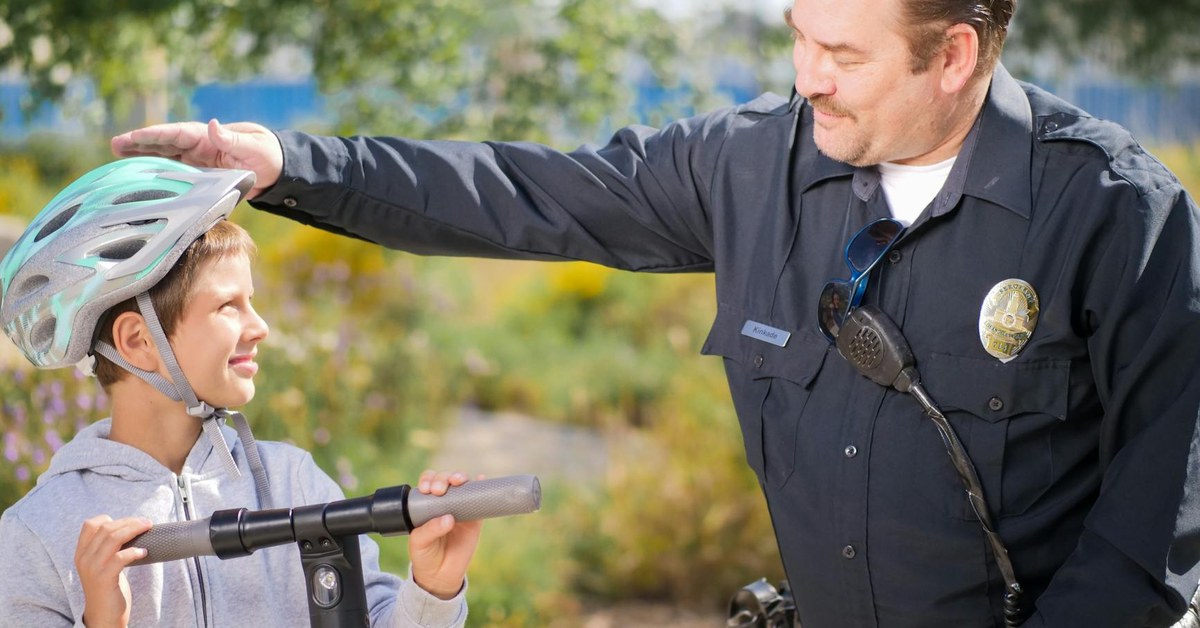
Wear a helmet. Head injuries are the primary cause of serious harm and death in e-scooter accidents. Even in jurisdictions where helmets are not legally required for adults, wearing one is the single most effective step you can take to protect yourself. A well-fitted cycle helmet provides significant protection; motorcycle-standard helmets offer even more for higher-speed riding.
Do not ride under the influence. Alcohol and drugs impair your reaction time, balance, and judgment. Riding an e-scooter while intoxicated is illegal in most jurisdictions and dramatically increases your accident risk. In many countries, drink-riding laws that apply to cyclists also apply to e-scooter users, meaning you can receive the same penalties as a drink-driver.
Be visible. Many e-scooter accidents occur at dusk or night when riders are difficult for other road users to see. Check that your scooter has functioning front and rear lights. Wearing reflective clothing or accessories significantly improves your visibility. Avoid dark clothing when riding at night.
Inspect the scooter before each ride. For rental scooters, report any defects through the operator's app rather than riding a damaged device. For privately owned scooters, a brief pre-ride check of tyre pressure, brake function, and battery charge takes very little time and can prevent accidents.
Be predictable and courteous. Signal your intentions clearly, give way to pedestrians, and avoid sudden manoeuvres. In many accident scenarios involving e-scooters, unpredictable riding behaviour is a contributing factor.
Insurance and Liability
One of the less glamorous but genuinely important aspects of e-scooter use is understanding your liability if you injure someone or damage property. In most jurisdictions, if you cause an accident on an e-scooter, you can be held civilly liable for the consequences. If you are riding a rental scooter from an authorised operator, third-party insurance is typically included. If you are riding a privately owned scooter, you may have no insurance cover at all unless you have specifically arranged it.
Personal liability insurance that covers e-scooter use is available in many countries, sometimes as an add-on to existing home contents or travel insurance policies. Given the potential financial consequences of a serious accident, this is worth investigating if you are a regular rider of a privately owned device.
Staying Informed as Regulations Change
E-scooter regulation is one of the most rapidly evolving areas of transport law in the world. Rules that applied last year may have changed. Cities that banned e-scooters are introducing frameworks to permit them, and countries that were permissive are sometimes tightening restrictions following accident data. Before riding in an unfamiliar city or country, taking a few minutes to check the current local rules is a worthwhile habit. Official transport authority websites and rental operator apps are generally the most reliable sources for up-to-date regulatory information.