Establishing Daily Home Security Routines for Busy Families: A Practical Guide
Learn practical strategies to establish consistent daily home security routines for your busy family. Protect your home and loved ones with simple, effective habits.
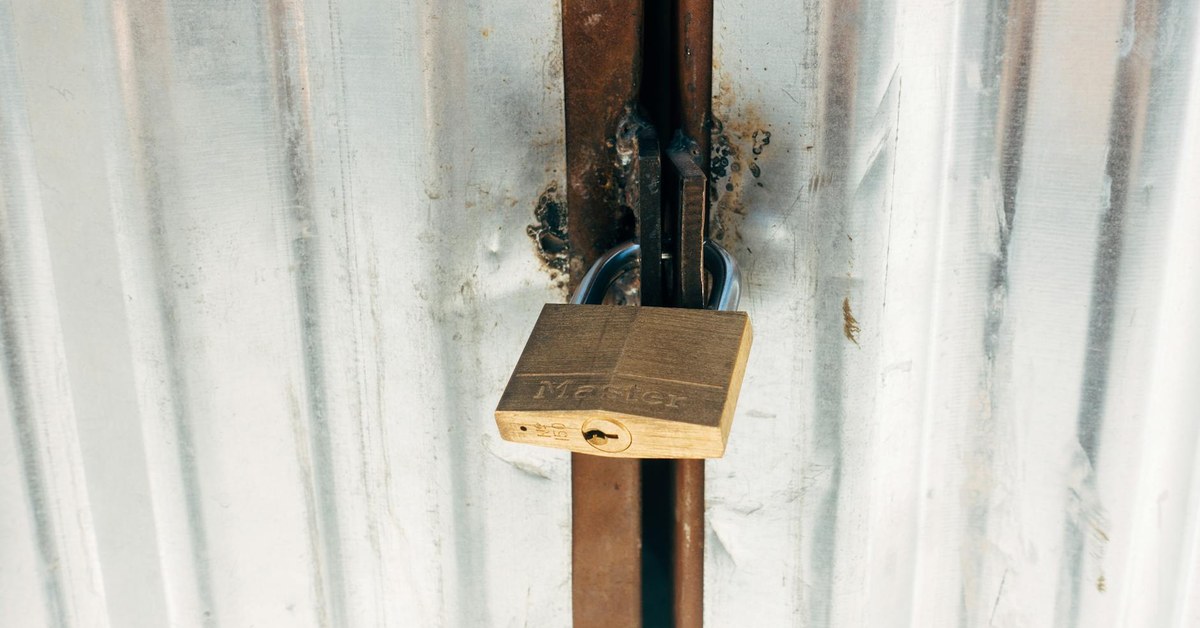

Establishing Daily Home Security Routines for Busy Families: A Practical Guide
“Learn practical strategies to establish consistent daily home security routines for your busy family. Protect your home and loved ones with simple, effective habits.”
In the whirlwind of family life, with school runs, work commitments, and countless activities, it is easy for home security to become an afterthought. However, establishing robust daily home security routines for families is not just about safeguarding possessions; it is fundamentally about protecting your loved ones and creating a peaceful, secure environment. By integrating simple, consistent habits into your everyday schedule, you can significantly enhance your family’s safety without adding undue stress to your already busy lives.
The Foundation: Why Consistent Routines Matter
A proactive approach to home security deters potential threats and creates a culture of safety within your household. Burglary statistics highlight the importance of vigilance: according to a 2023 report by the UK’s Office for National Statistics, residential burglaries remain a significant concern, with many incidents occurring when homes appear unoccupied or vulnerable. Similarly, organisations like Neighbourhood Watch consistently advocate for communal and individual security measures to reduce crime rates.
“Regularly checking locks and being aware of your surroundings are fundamental,” explains a community safety officer. “Criminals often seek the path of least resistance, so a home that clearly demonstrates consistent security practices is far less appealing.” Building these practices into a routine means they become second nature, reducing the chance of oversight.
Benefits of Family Home Security Habits:
- Deterrence: Visible security measures and consistent habits signal a protected home.
- Peace of Mind: Knowing your home is secure allows for greater relaxation.
- Empowerment: Involving children teaches them valuable safety lessons.
- Reduced Risk: Minimises opportunities for break-ins or other security breaches.
- Preparedness: Establishes clear actions in case of an emergency.
Key Takeaway: Implementing consistent daily home security routines transforms security from a chore into an ingrained habit, significantly enhancing protection and providing peace of mind for busy families.
Morning Security Checklist: Starting the Day Safely
The morning rush can be chaotic, but a quick security sweep can prevent common vulnerabilities. Teach every family member to contribute, even in small ways.
Before Leaving for Work or School:
- Check All Doors and Windows: Ensure all ground-floor windows and doors are locked, including those on upper floors if accessible from outside. This includes garage doors and shed doors.
- Alarm System Activation: Arm your home security system. If you have a smart system, confirm it is set. If you use a traditional system, ensure everyone knows the code and the arming procedure.
- Mail and Deliveries: If expecting a delivery, consider using a secure parcel box or arranging for a trusted neighbour to collect it. Avoid leaving notes indicating no one is home.
- Outdoor Appearance: Close blinds or curtains slightly to prevent a clear view of valuables from outside. Ensure garden gates are latched.
- Valuables Out of Sight: Do not leave car keys, wallets, phones, or other high-value items visible near windows or entry points.
During the Day: Midday and After-School Vigilance
Even when someone is home, or children return from school, security practices should continue.
For Family Members at Home:
- Door Awareness: Keep front and back doors locked, even when you are inside. Many opportunistic entries occur through unlocked doors during the day.
- Visitor Verification: If someone rings the doorbell, use a video doorbell or peephole to verify their identity before opening the door. Never open the door to unexpected callers, particularly if you are alone.
- Children’s Return: For children returning home alone, establish a clear “home alone” plan. This includes knowing who to contact, what to do if a stranger approaches, and how to properly secure the home upon entry. The NSPCC offers excellent resources on preparing children for being home alone [INTERNAL: preparing children for being home alone].
After-School Routines (Ages 5-16):
- Immediate Locking: Teach children to lock the door immediately after entering the house.
- Alarm Deactivation: For older children (typically 10+), teach them how to safely deactivate the alarm system using a personal code.
- Stranger Awareness: Remind children never to open the door to strangers or indicate that adults are not home.
- Communication: Establish a routine for children to check in with a parent or trusted adult upon arrival home.
Evening and Night-Time Security Rituals
As evening draws in, a thorough security sweep is paramount. This should be a collective family effort.
Before Bedtime:
- Perimeter Check: Walk around the entire house, inside and out if safe, to ensure all windows, doors, and access points are securely locked. Pay special attention to less-used entry points like patio doors or cellar windows.
- Ground Floor Security: Double-check all ground-floor windows and doors.
- Alarm System: Arm the alarm system, ensuring that any motion sensors are correctly set or bypassed if family members are moving around. Many systems offer ‘night mode’ or ‘stay mode’ for this purpose.
- Outdoor Lighting: Activate any exterior security lighting, especially motion-sensor lights. These are effective deterrents.
- Secure Valuables: Place car keys, wallets, and other small, high-value items in a secure, non-obvious location, away from entry points.
- Vehicle Security: Ensure all family vehicles are locked and any valuables are removed from sight.
Involving Children: Age-Appropriate Participation
Empowering children to participate in home security fosters responsibility and teaches critical safety skills.
How to Engage Children:
- Toddlers (Ages 2-4): Teach them simple concepts like “doors stay shut” and “we don’t open the door to people we don’t know.” Reinforce that adults handle the locks.
- Primary School (Ages 5-9): Involve them in the “lock-up tour” before bed. Ask them to check their own bedroom windows are closed. Teach them about the importance of not sharing personal information with strangers, online or offline.
- Pre-Teens (Ages 10-12): Teach them how to lock and unlock doors and windows properly. Discuss the family’s emergency plan, including what to do if the alarm sounds. They can be responsible for simple tasks like bringing in the mail.
- Teenagers (Ages 13+): Entrust them with alarm codes and the full evening security check. Discuss the risks of social media oversharing (e.g., posting about being on holiday) and the importance of securing their personal devices. Emphasise the importance of informing parents about their whereabouts and who they are with.
“When children understand the ‘why’ behind security rules, they are more likely to comply and even become advocates for safety,” notes a child development specialist. “Frame it as a team effort to protect everyone and everything important in their lives.”
Leveraging Technology and Tools for Enhanced Security
Modern technology offers powerful tools to complement your daily routines. These do not replace vigilance but enhance it.
- Smart Locks: Keyless entry systems allow you to lock/unlock doors remotely and monitor entry/exit activity.
- Video Doorbells: Provide visual verification of visitors and can record activity outside your door, even when you are not home.
- Smart Alarm Systems: Offer remote arming/disarming, real-time alerts, and integration with other smart home devices.
- CCTV Cameras: Strategically placed cameras can deter intruders and provide valuable evidence if an incident occurs. Consider systems with motion detection and cloud storage.
- Timer Switches for Lights: Use these to create the illusion of occupancy when you are away, especially during darker months.
Remember to regularly update software and change passwords for all smart devices to maintain their security integrity. [INTERNAL: cybersecurity for families].
What to Do Next
- Conduct a Family Security Audit: Walk through your home with your family, identifying all entry points, discussing potential vulnerabilities, and assessing your current security measures.
- Create a Family Security Checklist: Develop a simple, visual checklist for morning and evening routines that everyone can follow. Post it in a prominent place, like the fridge.
- Practice Emergency Scenarios: Discuss and rehearse what to do if the alarm goes off, if there is an unexpected visitor, or if a child returns home to an unusual situation.
- Review and Update Technology: Assess your current security technology. Consider upgrading to smart devices if they align with your family’s needs and budget. Ensure all devices are working correctly and software is updated.
- Assign Age-Appropriate Responsibilities: Clearly define who is responsible for which security task, ensuring children understand their roles in protecting the home.
Sources and Further Reading
- Office for National Statistics (UK) – Crime in England and Wales: https://www.ons.gov.uk/peoplepopulationandcommunity/crimeandjustice/datasets/crimeinenglandandwales
- NSPCC – Home alone guide: https://www.nspcc.org.uk/keeping-children-safe/away-from-home/home-alone/
- Neighbourhood Watch – Home Security Advice: https://www.ourwatch.org.uk/advice/crime-prevention/home-security
- UNICEF – Child Safety Guidelines: https://www.unicef.org/protection