Tailoring Fire Escape Plans for Vacation Rentals & Seasonal Homes: A Comprehensive Guide
Ensure safety in your vacation rental or seasonal home. Learn to create tailored fire escape plans for transient occupants and unique property layouts.
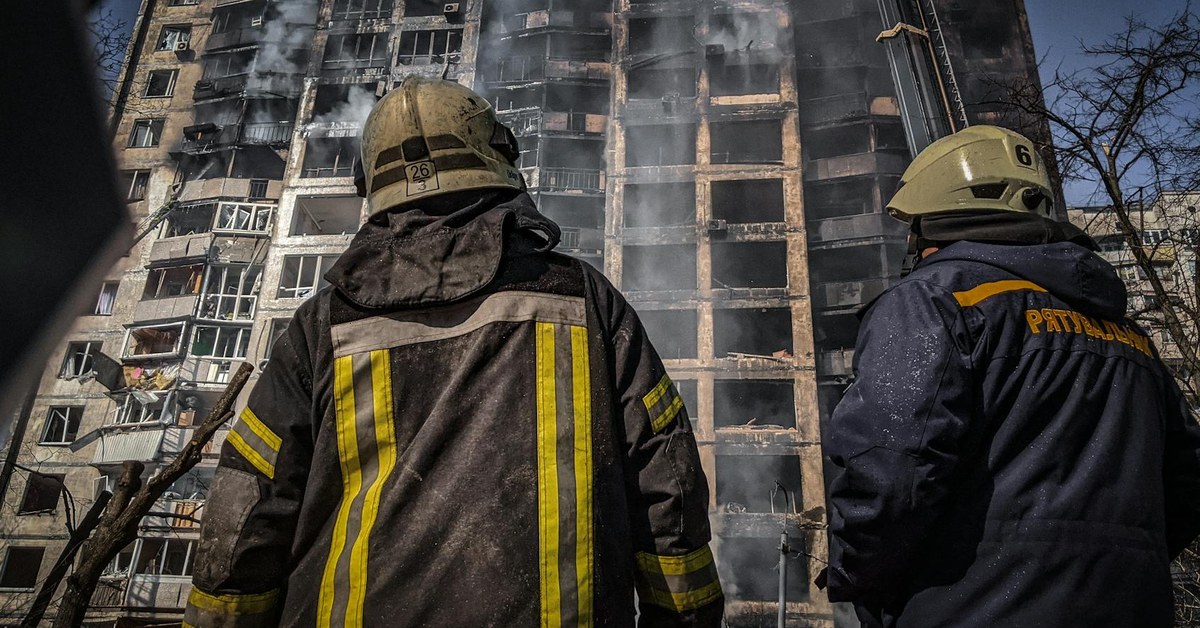

Tailoring Fire Escape Plans for Vacation Rentals & Seasonal Homes: A Comprehensive Guide
“Ensure safety in your vacation rental or seasonal home. Learn to create tailored fire escape plans for transient occupants and unique property layouts.”
Ensuring the safety of occupants in vacation rentals and seasonal homes requires a proactive approach, especially when it comes to developing robust fire escape plans vacation rentals. Unlike permanent residences, these properties host a constant rotation of guests who are unfamiliar with the layout, potential hazards, and emergency procedures. This guide provides comprehensive, actionable advice for property owners and managers to create and implement effective fire safety strategies, safeguarding lives and assets.
Understanding the Unique Challenges of Transient Occupancy
Creating effective fire safety plans for vacation rentals and seasonal homes presents distinct challenges that differ significantly from those in primary residences. Guests arrive with varying levels of fire safety awareness, often in unfamiliar surroundings, and may include individuals with specific needs, such as young children, elderly family members, or those with mobility impairments.
- Unfamiliarity with Layout: Guests do not know the quickest or safest routes out, the location of fire extinguishers, or the sound of smoke alarms specific to the property.
- Varying Occupant Demographics: Each booking might bring different age groups, family sizes, or guests with special requirements, necessitating a flexible and clear plan.
- Temporary Nature of Stay: The short duration of visits means guests are less likely to actively seek out safety information unless it is prominently displayed and easily digestible.
- Property Specifics: Vacation rentals can range from compact city flats to sprawling rural houses, each with unique architectural features, multiple levels, or remote locations that impact escape routes and emergency service access.
- Seasonal Use: Seasonal homes may sit vacant for extended periods, potentially leading to maintenance oversights or issues with alarms and detectors if not regularly checked.
According to a 2022 report by the European Fire Safety Alliance (EuroFSA), inadequate fire safety measures remain a significant concern across Europe, with residential fires causing an average of over 3,000 fatalities annually. Many of these incidents could be prevented or mitigated with proper planning and maintenance.
Key Takeaway: The transient nature and diverse demographics of guests in vacation rentals and seasonal homes demand a highly visible, easy-to-understand, and adaptable fire escape plan that accounts for unfamiliarity and varied needs.
Essential Components of a Robust Fire Escape Plan
An effective fire escape plan goes beyond simply identifying exits; it integrates several critical elements to ensure comprehensive safety.
-
Working Smoke and Carbon Monoxide Alarms:
- Install interconnected smoke alarms on every level of the property, inside and outside sleeping areas. Interconnected alarms mean that if one alarm sounds, all alarms throughout the property activate, providing earlier warning.
- Ensure carbon monoxide (CO) detectors are also installed, especially in properties with fuel-burning appliances (e.g., gas stoves, fireplaces, boilers).
- Test alarms monthly and replace batteries annually, or as recommended by the manufacturer. Consider alarms with 10-year sealed batteries for reduced maintenance.
-
Clear Escape Routes:
- Identify at least two distinct escape routes from every room, particularly sleeping areas.
- Ensure windows are easily operable and free from obstructions. Ground-floor windows should be accessible for escape. Upper-floor windows might require fire ladders if other routes are unavailable.
- Keep hallways, stairwells, and exits clear of clutter, furniture, or locked doors.
-
Designated Outdoor Meeting Point:
- Choose a safe, easily identifiable location outside the property, a reasonable distance away (e.g., a specific tree, lamppost, or neighbour’s driveway). This ensures everyone is accounted for.
- Emphasise that once outside, no one should re-enter the burning property.
-
Emergency Contact Information:
- Prominently display local emergency services numbers (e.g., 999 in the UK, 112 in Europe, 911 in North America – advise guests to check local emergency numbers).
- Include contact details for the property owner/manager and a local emergency contact person.
-
Fire Extinguishers and Blankets:
- Place ABC-rated fire extinguishers in accessible locations, such as the kitchen and near exits.
- Provide clear instructions on how to use them.
- A fire blanket in the kitchen can be effective for small cooking fires.
Creating Your Tailored Fire Escape Plan: Step-by-Step
Developing a specific plan for your property involves careful consideration of its layout and potential guest needs.
- Draw a Floor Plan: Create a simple, clear diagram of each level of your property. Include all rooms, windows, and doors.
- Mark All Exits: Clearly indicate all primary and secondary exits from each room. Use arrows to show the direction to the nearest exit.
- Identify Two Escape Routes Per Room: For every bedroom and main living area, draw two distinct paths to an exterior exit. One should be the primary door, and the other often a window.
- Mark Alarm Locations: Indicate where all smoke and carbon monoxide alarms are installed.
- Designate a Meeting Point: Clearly mark the outdoor meeting point on your diagram.
- Add Emergency Equipment: Show the location of fire extinguishers and fire blankets.
- Consider Accessibility: Think about guests with mobility issues. Are there ground-floor sleeping options? Are escape routes wide enough? Can windows be easily opened by someone with limited strength?
- Include Specific Instructions: Add notes for guests, such as “Crawl low under smoke” and “Test doors for heat before opening.”
- Review and Refine: Walk through the plan yourself, imagining different fire scenarios. Ask a trusted friend or family member to review it for clarity and completeness.
“A fire safety expert advises that the most effective plans are those that are regularly reviewed and clearly communicated. Guests cannot act on information they do not possess or understand,” states a property management specialist.
Communicating the Plan to Guests
Even the most meticulously crafted plan is useless if guests are unaware of it. Visibility and clarity are paramount.
- Prominent Display: Print the fire escape plan clearly and laminate it. Post it in highly visible locations, such as on the back of the main entrance door, inside each bedroom door, and in a central common area.
- Welcome Pack Inclusion: Include a copy of the plan in your digital and physical welcome information. Provide a brief summary highlighting its importance.
- Digital Access: Make the plan available on your property’s listing page or in a digital guest guide accessible via a QR code or link.
- Brief Verbal Overview (Optional but Recommended): If you meet guests upon arrival, offer a brief, polite overview of the most critical safety points, such as where the meeting point is and how to find the plan.
- Emergency Contact Display: Clearly list emergency numbers and your contact details next to the plan and near telephones.
Maintaining Fire Safety in Seasonal Homes
Seasonal homes, often left unoccupied for extended periods, require particular attention to fire safety to prevent issues arising from disuse or lack of regular checks.
- Pre-Arrival Checks: Before any guest arrival or personal use, conduct a thorough inspection.
- Test all smoke and carbon monoxide alarms.
- Check fire extinguishers for proper pressure and expiry dates.
- Ensure all escape routes are clear and windows/doors are easily opened.
- Inspect heating systems, electrical appliances, and wiring for any visible damage or issues.
- During Vacancy Periods:
- Turn off non-essential electrical appliances.
- Close gas valves if applicable.
- Consider smart smoke alarms that can send alerts to your phone if activated, providing an early warning system for your unoccupied property.
- Arrange for regular property checks by a local contact or property management service.
- Annual Professional Servicing: Arrange for annual checks of heating systems, chimneys (if present), and electrical systems by qualified professionals. This is crucial for preventing fires caused by faulty equipment.
What to Do Next
- Conduct a Safety Audit: Walk through your vacation rental or seasonal home with fire safety in mind. Identify all potential hazards and current safety measures.
- Create/Update Your Fire Escape Plan: Use the step-by-step guide to draw a clear, comprehensive fire escape plan for each level of your property.
- Install and Test Alarms: Ensure you have interconnected smoke alarms and carbon monoxide detectors installed on every level and outside sleeping areas. Test them today.
- Prominently Display Information: Print and laminate your fire escape plan and emergency contact details. Place them in highly visible locations throughout your property.
- Schedule Regular Maintenance: Set a reminder for monthly alarm tests, annual battery replacements, and professional servicing of heating and electrical systems.
Sources and Further Reading
- European Fire Safety Alliance (EuroFSA): [INTERNAL: Fire Safety Statistics]
- The British Red Cross: [INTERNAL: Home Fire Safety Guide]
- National Fire Protection Association (NFPA): [INTERNAL: Residential Fire Safety Standards]
- UNICEF: [INTERNAL: Child Safety in the Home]