Healing Your Body Relationship: A Self-Compassion Guide for Unshakeable Confidence
Discover how self-compassion can transform your body image. Learn practical steps to heal your relationship with your body and build lasting, unshakeable confidence.
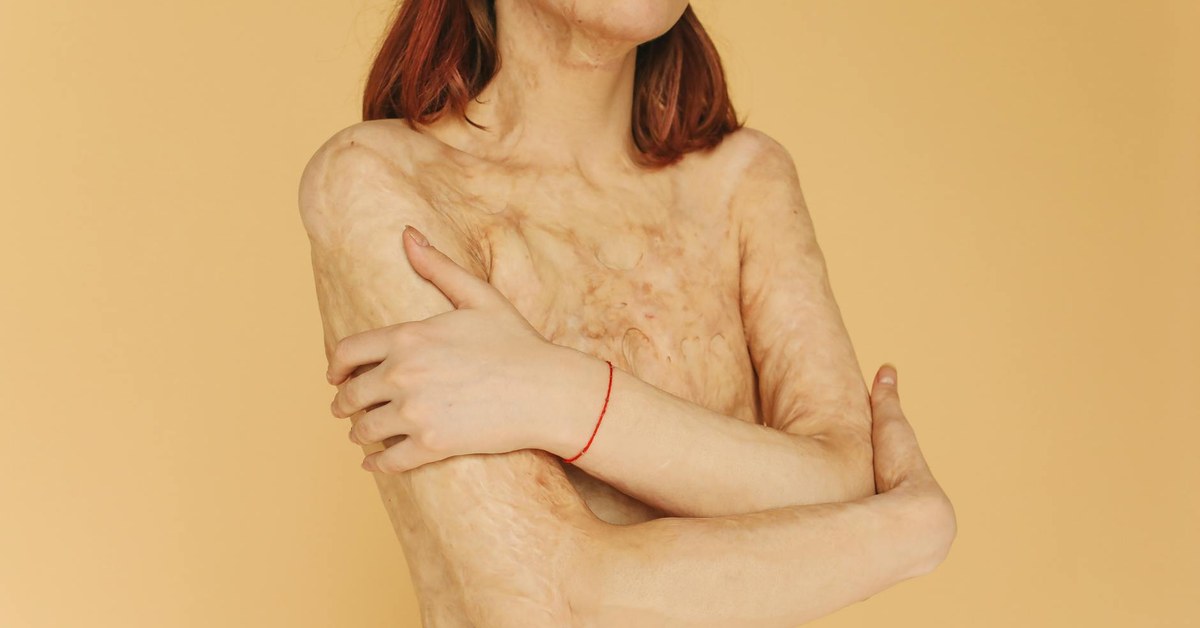

Healing Your Body Relationship: A Self-Compassion Guide for Unshakeable Confidence
“Discover how self-compassion can transform your body image. Learn practical steps to heal your relationship with your body and build lasting, unshakeable confidence.”
Many individuals navigate a complex and often challenging relationship with their bodies, frequently influenced by societal pressures, media portrayals, and personal experiences. This struggle can erode self-esteem and hinder overall wellbeing. Cultivating self-compassion body image offers a powerful pathway to healing this relationship, fostering a sense of kindness, acceptance, and inner strength that builds unshakeable confidence. By learning to treat ourselves with the same warmth and understanding we would offer a dear friend, we can transform how we perceive and relate to our physical selves.
Understanding the Roots of Body Image Struggles
Our body image, the way we perceive and feel about our physical appearance, is not static; it evolves throughout our lives, shaped by numerous internal and external factors. From childhood, we absorb messages about beauty, worth, and what constitutes an “ideal” body. These messages, often amplified by social media and advertising, can create unrealistic expectations, leading to dissatisfaction, anxiety, and even body shame.
Research consistently highlights the widespread nature of body image concerns. For instance, a 2019 report by the Mental Health Foundation in the UK revealed that 1 in 8 adults felt so distressed about their body image that it negatively impacted their daily life. Globally, organisations like UNICEF regularly address the detrimental effects of social media filters and curated online images on the self-esteem and body image of adolescents, with studies indicating that exposure to idealised images can significantly increase body dissatisfaction among young people. This pervasive pressure can lead to a constant internal critique, where individuals focus on perceived flaws rather than appreciating their body’s functionality and uniqueness.
“The constant comparison to unattainable ideals is a significant driver of body dissatisfaction,” notes a leading wellbeing psychologist. “When we internalise these messages, we often develop a harsh inner critic that undermines our self-worth, making it difficult to feel comfortable or confident in our own skin.” This internalised criticism can manifest as negative self-talk, avoidance of social situations, and even disordered eating behaviours. Recognising these roots is the first step towards dismantling them and choosing a path of kindness and acceptance.
Key Takeaway: Body image struggles are widespread and often stem from societal pressures and media influences, leading to internalised criticism and a challenging relationship with one’s physical self.
The Transformative Power of Self-Compassion for Body Image
Self-compassion offers a profound alternative to self-criticism. Developed by Dr. Kristin Neff, it comprises three core components: self-kindness, common humanity, and mindfulness. Applying these principles to body image can fundamentally shift our perspective, moving us from judgment to acceptance, and from isolation to connection.
- Self-Kindness vs. Self-Judgment: Instead of harshly judging our bodies for not meeting an ideal, self-kindness involves treating ourselves with warmth and understanding. When you notice negative thoughts about your body, pause and ask yourself: “What would I say to a friend who felt this way?” You would likely offer comfort, validation, and encouragement, not criticism.
- Practical Exercise: Place a hand over your heart when you feel body shame. Silently or softly repeat a phrase like, “This is a moment of suffering. May I be kind to myself.” Or, “I am doing my best, and my body supports me.”
- Common Humanity vs. Isolation: Body image struggles can feel deeply personal and isolating, as if you are the only one experiencing such feelings. Common humanity reminds us that suffering is a universal human experience. Millions of people, across all ages and cultures, grapple with similar insecurities about their appearance. Recognising this shared experience reduces feelings of shame and isolation.
- Practical Exercise: Reflect on conversations you’ve had with others about body image. Notice the common threads of insecurity. Seek out supportive communities or share your feelings with a trusted friend, reminding yourself that you are not alone in your experience.
- Mindfulness vs. Over-Identification: Mindfulness involves observing our thoughts and feelings about our bodies without judgment, acknowledging them without getting swept away by them. It means recognising that thoughts like “my thighs are too big” are just thoughts, not absolute truths. We can observe these thoughts and feelings with curiosity, creating space between ourselves and our internal critique.
- Practical Exercise: Practice a mindful body scan. Lie down or sit comfortably and gently bring your awareness to different parts of your body, noticing sensations without judgment. If you encounter areas of discomfort or dislike, simply acknowledge the feeling and gently bring your attention back to the breath, or to another part of your body.
Experts in mental wellbeing emphasise that cultivating self-compassion is a gradual process that strengthens over time. “It’s not about ignoring challenges or denying feelings of discomfort,” explains a cognitive behavioural therapist. “Rather, it’s about approaching those difficult feelings with a compassionate presence, which ultimately builds resilience and authentic confidence.” This approach is particularly beneficial for adolescents (ages 13-18) who are highly susceptible to external validation, as it helps them develop an internal locus of self-worth. For adults, it provides a powerful tool to dismantle decades of internalised criticism and societal pressures.
Practical Steps to Cultivate a Healing Body Relationship
Beyond understanding the principles, actively integrating self-compassion into your daily life requires consistent practice. Here are actionable steps to help you heal your body relationship and build lasting confidence:
- Mindful Movement: Shift your focus from exercising to change your body to moving your body in ways that feel good and are empowering. Engage in activities you genuinely enjoy, whether it’s dancing, walking in nature, swimming, or yoga. Pay attention to how your body feels during movement – its strength, flexibility, and endurance – rather than focusing on its appearance.
- Curate Your Media Consumption: Be intentional about the content you consume. Unfollow social media accounts that promote unrealistic body ideals or trigger negative self-comparison. Seek out diverse and body-positive voices. Consider setting time limits for social media use. [INTERNAL: Understanding Media Literacy for Children]
- Challenge Your Inner Critic: When negative self-talk about your body arises, consciously challenge it. Ask: “Is this thought truly helpful or kind? Is it fact-based, or an opinion?” Reframe critical thoughts into compassionate ones. For example, instead of “My stomach is flabby,” try “My stomach houses my vital organs and has supported me through many experiences.”
- Practice Body Gratitude: Regularly acknowledge and appreciate your body for what it does for you, rather than how it looks. Think about its ability to breathe, walk, hug, create, and experience the world. Keep a gratitude journal dedicated to your body’s functions and senses.
- Engage in Self-Care Rituals: Nurture your body through practices that are about care and comfort, not correction. This could include a warm bath, moisturising your skin, wearing clothes that feel comfortable and express your personal style, or getting enough restful sleep. These actions reinforce the message that your body is worthy of gentle care.
- Seek Support When Needed: If body image struggles are significantly impacting your mental health, consider reaching out to a mental health professional, such as a therapist or counsellor. They can provide tailored strategies and support to navigate complex feelings and develop healthier coping mechanisms.
By consistently applying these practices, you can gradually dismantle years of negative conditioning and build a foundation of self-compassion, leading to a more peaceful, appreciative, and confident relationship with your body.
What to Do Next
- Start a Self-Compassion Journal: Dedicate a notebook to daily reflections on self-kindness, common humanity, and mindfulness related to your body. Note down one kind thought or act towards your body each day.
- Implement a Mindful Movement Practice: Choose one enjoyable physical activity and commit to doing it for at least 15-20 minutes three times a week, focusing solely on the sensations and joy of movement.
- Review Your Social Media Feeds: Take an hour to audit your social media. Unfollow or mute accounts that negatively impact your body image and actively seek out content creators who promote body diversity and self-acceptance.
- Practice the Hand-on-Heart Exercise: The next time you experience a moment of body-related distress, place your hand over your heart and offer yourself a compassionate phrase.
Sources and Further Reading
- Mental Health Foundation. (2019). Body Image Report: How we feel about our bodies. https://www.mentalhealth.org.uk/explore-mental-health/a-z-topics/body-image
- Neff, K. (2011). Self-Compassion: The Proven Power of Being Kind to Yourself. William Morrow. https://self-compassion.org/
- UNICEF. (Ongoing). Child and Adolescent Mental Health. https://www.unicef.org/health/child-and-adolescent-mental-health
- The National Eating Disorders Association (NEDA). (Ongoing). Body Image and Eating Disorders. https://www.nationaleatingdisorders.org/body-image-eating-disorders