Healthy Sleep for Children and Teenagers
A comprehensive guide to healthy sleep for children of all ages, covering how much sleep children need, the impact of sleep deprivation, practical strategies for improving sleep, and addressing common sleep problems.
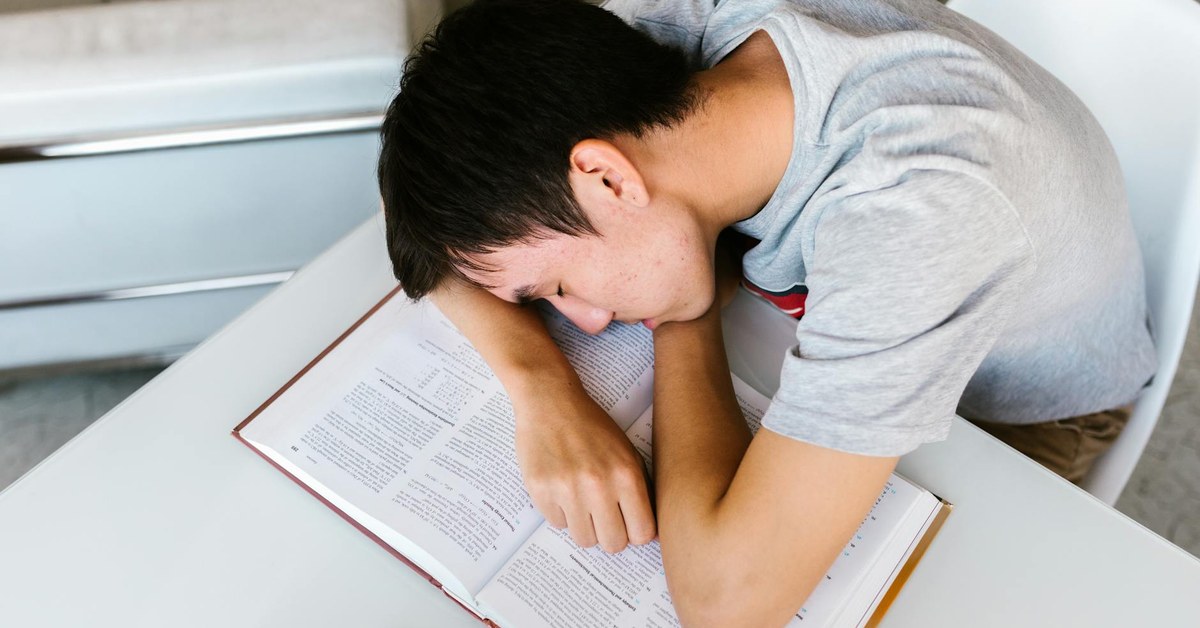

Healthy Sleep for Children and Teenagers
“A comprehensive guide to healthy sleep for children of all ages, covering how much sleep children need, the impact of sleep deprivation, practical strategies for improving sleep, and addressing common sleep problems.”
Sleep: The Foundation of Child Wellbeing
Sleep is one of the most important and most underestimated contributors to children's physical health, emotional regulation, cognitive performance, and mental wellbeing. Research on sleep in children and teenagers is remarkably consistent: adequate, good-quality sleep is associated with better academic outcomes, healthier weight, stronger immune function, more positive mood, and lower rates of anxiety and depression. Insufficient sleep has the opposite associations across every domain of wellbeing.
Yet sleep deprivation in children and particularly teenagers is extremely common, and often normalised or attributed to laziness or poor choices rather than recognised as a health issue that deserves proper attention and support.
How Much Sleep Do Children Need?
Sleep requirements change significantly across childhood and adolescence. The following are approximate recommended ranges from major paediatric organisations:
- Infants (4 to 12 months): 12 to 16 hours including naps
- Toddlers (1 to 2 years): 11 to 14 hours including naps
- Pre-school age (3 to 5 years): 10 to 13 hours including any naps
- School age (6 to 12 years): 9 to 12 hours
- Teenagers (13 to 18 years): 8 to 10 hours
These are ranges rather than fixed targets. Individual children within each age group vary in their sleep needs, and the amounts needed decline as children grow. Counting backward from the time your child needs to wake up for school gives a sense of what bedtime is needed to meet these targets.
Signs of Sleep Deprivation in Children
Sleep deprivation in children does not always look like adult sleepiness. Children who are not getting enough sleep often present as hyperactive, impulsive, and difficult to manage rather than visibly tired. Other signs include:
- Difficulty waking in the morning or needing to be woken with significant effort
- Irritability and emotional dysregulation, particularly in the late afternoon and evening
- Difficulty concentrating or completing tasks that are normally manageable
- Falling asleep very easily in cars or other low-stimulation situations
- Needing significantly more sleep on weekends than on school days
- In teenagers: sleeping very late on weekend mornings is often a sign of accumulated weekday sleep debt
The Biology of Teenage Sleep
Teenagers face a specific and genuine biological challenge around sleep that is not widely understood. At puberty, the circadian rhythm, the body's internal clock, shifts significantly, causing teenagers to feel alert later in the evening and to experience natural sleep onset at a later hour than younger children or adults. This is a biological phenomenon, not a lifestyle choice or laziness.
A teenager whose biology causes them to feel genuinely unable to fall asleep before midnight is being asked to wake at 6am for school on the equivalent of four to five hours of sleep. Repeated across a school week, this produces significant sleep deprivation with real consequences for cognitive performance, emotional regulation, and mental health.
Schools in some countries have begun to adjust start times for secondary schools in recognition of this biology, and the evidence from those experiments is positive. Where school start times cannot be changed, families can support teenagers by protecting other aspects of sleep hygiene and helping to minimise additional social or screen-related delays to sleep onset.
Screens and Sleep
Electronic devices are one of the most significant disruptors of sleep in children and teenagers. They affect sleep through several mechanisms: the blue light emitted by screens suppresses melatonin production, making it harder to fall asleep; the content is often stimulating and engaging in ways that make it hard to wind down; and social media and messaging create social pressures that make switching off feel impossible.
Charging devices outside the bedroom is one of the most consistently effective sleep interventions available to families. Many parents who implement this simple change report significant improvements in both the ease of falling asleep and the duration of sleep. Agreeing on a screen-off time at least an hour before bed, with devices charged elsewhere, removes the temptation and the blue light exposure simultaneously.
Building a Good Sleep Environment
The bedroom environment significantly influences sleep quality:
- Temperature: Most people sleep best in a cool environment, typically around 16 to 19 degrees Celsius. Overheating disrupts sleep.
- Darkness: Darkness cues melatonin production. Blackout blinds or curtains are particularly valuable for children who need to sleep during lighter summer evenings, and for teenagers who need to sleep later into the morning.
- Quiet: For children who are sensitive to noise, white noise machines or fans can mask disruptive sounds. Where external noise is unavoidable, soundproofing or rearranging the bedroom to move the bed away from a noisy wall may help.
- No TV or gaming console: The bedroom should ideally be a screen-free space used primarily for sleep. Having a television or gaming console in a child's room is strongly associated with shorter sleep duration and poorer sleep quality.
Bedtime Routines
A consistent pre-sleep routine signals to the brain that sleep is approaching and significantly improves the ease of falling asleep. For young children, this is particularly important. A routine of 20 to 30 minutes that includes a predictable sequence (bath, pyjamas, teeth, story, lights out, for example) creates an automatic transition to sleep readiness.
For older children and teenagers, a wind-down routine is equally beneficial but needs to be appropriate to their age. Reading, a warm bath or shower, gentle stretching, journalling, or a relaxation practice can all serve the same purpose. The key elements are consistency and the absence of screens.
Common Sleep Problems in Children
Difficulty Falling Asleep
If a child is consistently unable to fall asleep at bedtime, consider whether bedtime is actually consistent with their biological readiness for sleep. A child who lies awake for an hour before falling asleep is likely being put to bed before they are biologically ready. Gradually adjusting bedtime to match actual sleep onset, and then slowly moving it earlier over time, is often more effective than simply insisting on an earlier bedtime that does not match the child's sleep drive.
Night Waking
Night waking is normal in infants and young toddlers and most children gradually consolidate their sleep over the first few years of life. Persistent night waking in older children may be associated with anxiety, poor sleep associations, environmental factors, or occasionally a sleep disorder. If night waking is frequent and causing significant difficulty, speak to your family doctor.
Nightmares and Night Terrors
Nightmares are frightening dreams that the child can usually recall on waking and are common in children aged three to six but can occur at any age. Comfort and reassurance are the appropriate response. Night terrors are very different: episodes in which the child appears distressed and may be moving or vocalising but is not fully conscious and will not remember the episode in the morning. Night terrors are more common in children with a family history and typically resolve without intervention. They are not psychologically harmful, though they can be alarming for parents to observe.
When to Seek Professional Help
Speak to your family doctor if your child has persistent difficulty sleeping despite good sleep hygiene, if you suspect a sleep disorder such as sleep apnoea (indicated by loud snoring, pauses in breathing during sleep, or extreme daytime sleepiness), if sleep problems are significantly affecting your child's daily functioning, or if night terrors are very frequent or increasing in severity. Most sleep problems in children are amenable to intervention, and the impact of addressing them on the child's overall wellbeing is often dramatic.