Healthy vs Toxic Relationships for Teenagers
Many teenagers struggle to tell the difference between healthy love and controlling, manipulative, or abusive relationships. This guide helps young people and their families recognise the signs of toxic relationships and understand what healthy connection really looks like.
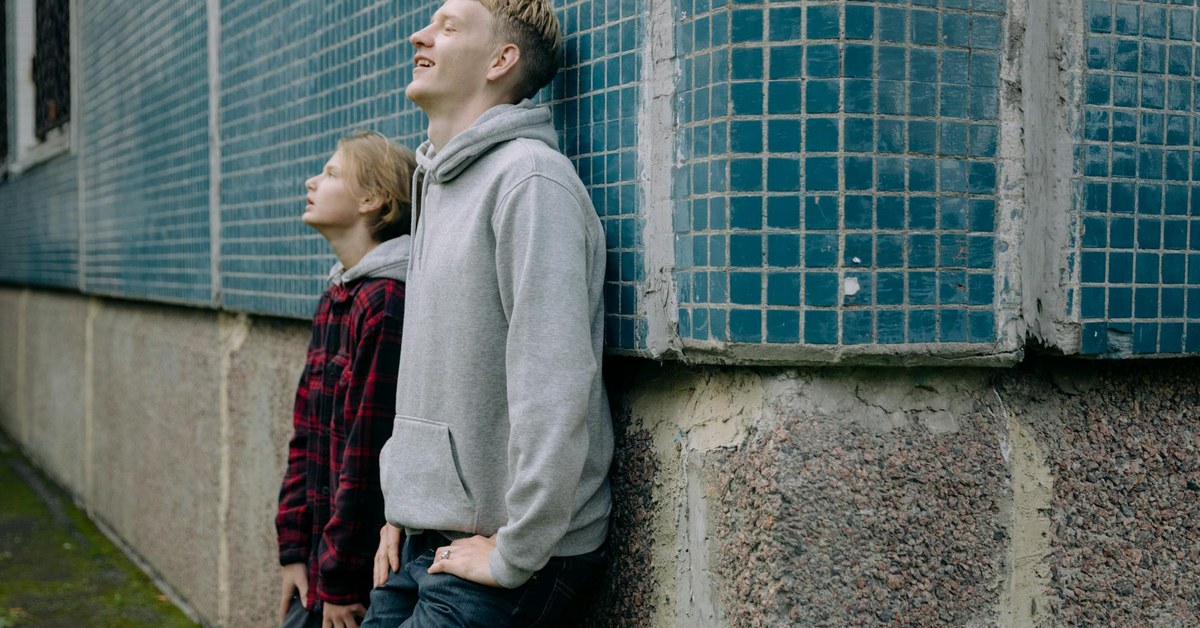

Healthy vs Toxic Relationships for Teenagers
“Many teenagers struggle to tell the difference between healthy love and controlling, manipulative, or abusive relationships. This guide helps young people and their families recognise the signs of toxic relationships and understand what healthy connection really looks like.”
Why Relationship Education Matters for Teenagers
Adolescence is when most people have their first significant romantic and sexual relationships. These early relationships, and the patterns learned within them, can influence relationship choices and dynamics for years to come. Young people who develop a clear understanding of what healthy relationships look and feel like, and who can recognise the signs of unhealthy or abusive dynamics, are better equipped to make safer choices throughout their lives.
Research from multiple countries shows that relationship abuse is startlingly common among young people. Studies from the US, UK, and Australia consistently find that between 20 and 35 percent of adolescents experience some form of physical, sexual, or emotional abuse within romantic relationships. The rates for emotional and psychological abuse are even higher. Yet many young people do not recognise what they are experiencing as abuse, and many hesitate to seek help because they believe the behaviour is normal, or because they love the person hurting them.
What Does a Healthy Relationship Look Like?
Healthy relationships, whether romantic, platonic, or familial, share certain consistent qualities. Understanding these helps young people assess the relationships in their own lives.
Mutual Respect
In a healthy relationship, both people treat each other with respect. This means valuing each other's feelings, opinions, and boundaries, even when you disagree. It means not mocking, belittling, or dismissing the other person, either privately or in front of others.
Trust and Honesty
Healthy relationships are built on honesty. Both people trust each other and do not feel the need to monitor, control, or test the other's loyalty. There is no pressure to share passwords, location, or prove fidelity through surveillance.
Genuine Support
Healthy partners want each other to succeed, be happy, and have lives beyond the relationship. They support each other's friendships, interests, and goals. They celebrate each other's achievements.
Equality
Both people have an equal say in decisions that affect both of them. One person does not consistently dominate, override, or make unilateral decisions while the other acquiesces out of fear or habit.
Consent
Consent is ongoing, enthusiastic, and freely given, and can be withdrawn at any time. In a healthy relationship, both people respect each other's right to say no, to change their mind, and to set limits on physical intimacy without consequences or resentment.
Space and Independence
Healthy relationships coexist with the rest of life. Each person has their own friendships, interests, and family relationships. Time apart is comfortable, not threatening. Neither person feels they must be constantly available or account for their whereabouts to maintain the relationship.
The Warning Signs of a Toxic or Abusive Relationship
Toxic and abusive relationships rarely begin obviously. They typically develop gradually, with problematic behaviour escalating over time. Recognising early warning signs is important because it is much easier to leave a relationship in the early stages than after significant emotional investment.
Jealousy Disguised as Love
A partner who claims their jealousy is a sign of love is normalising a controlling behaviour. While mild jealousy is a normal human emotion, consistent jealousy that results in demands to see your phone, pressure to not see certain friends, or accusations of disloyalty without cause is a significant warning sign.
Isolation from Friends and Family
Abusive partners often systematically isolate their partner from other relationships. This may happen gradually, through criticism of friends, manufactured conflict, claims that others do not really care about them, or demands on time that squeeze out other relationships. Isolation makes the target more dependent on the abusive partner and less likely to have people who notice and intervene.
Controlling Behaviour
This includes controlling what someone wears, who they can see, where they can go, and how they spend their time. It may extend to financial control, monitoring of digital communication, or demanding to know the other person's location at all times. These behaviours are forms of coercive control, which is recognised as a form of domestic abuse in many countries.
Disrespect and Humiliation
A partner who regularly humiliates you, whether publicly or privately, calls you names, mocks you, or makes you feel stupid or worthless is not treating you with the basic respect all people deserve.
Pressure Around Intimacy
Any pressure to engage in sexual activity you are not comfortable with, whether through pleading, guilt, threats, or persistent asking after you have said no, is not acceptable. Consent cannot be manufactured through pressure. A partner who does not respect your sexual boundaries is demonstrating a fundamental disrespect for you as a person.
Extreme Mood Swings and Walking on Eggshells
If you find yourself constantly managing a partner's mood, monitoring their emotional state, and adapting your own behaviour to prevent their anger or upset, this is a significant indicator of an unhealthy dynamic. Healthy relationships should not feel like emotional labour to maintain stability.
Threats and Intimidation
Threats to harm themselves if you leave, threats to share intimate images, threats to tell your family something, or any use of intimidation to control your behaviour are serious warning signs that a relationship has become abusive.
The Cycle of Abuse
Many abusive relationships follow a recognisable pattern known as the cycle of abuse. This cycle, first described by researcher Lenore Walker in the 1970s, involves four stages: a build-up of tension; an abusive incident; reconciliation, where the abusive partner apologises and is loving and remorseful; and a honeymoon period of calm before tension begins to build again.
The reconciliation and honeymoon phases are powerful. The abusive partner during this period can seem genuinely remorseful and loving, which is why victims often believe them when they say the behaviour will change. Young people in particular, without the life experience to recognise the pattern, may genuinely believe that things will be different this time. Understanding the cycle helps people recognise that the loving behaviour in reconciliation does not negate the abusive behaviour that preceded it.
How to Leave a Difficult Relationship Safely
Leaving an unhealthy or abusive relationship is not always straightforward and requires careful thought, particularly when a partner has made threats. Some guidance:
- Talk to a trusted adult, a parent, school counsellor, or other trusted person, before taking action. Do not try to manage this alone.
- If there have been threats, your safety during and after the break-up needs to be considered carefully.
- Ending the relationship in a private, safe setting is generally safer than doing so in public spaces where the partner may react unpredictably.
- After ending the relationship, block contact on all platforms and notify trusted people that you have done so.
- If there are threats or harassment after the break-up, document everything and consider involving the police.
Having These Conversations with Your Teenager
Parents are often the last to know about teenage relationships, particularly when those relationships are troubled. Young people may hide a difficult relationship out of shame, a desire for privacy, or fear that parents will overreact. Building a foundation of trust and non-judgemental communication is what makes disclosure possible.
Regular, low-key conversations about relationships, asking about their friends and who they are spending time with, showing genuine interest in their relational world without demanding access to details, create the conditions in which a teenager is more likely to come to you if something is wrong.
If your teenager does disclose a difficult relationship, the responses that matter most are believing them, validating that what they are experiencing is not okay, and offering unconditional support for whatever decision they make next. Ultimatums and anger, however understandable, are rarely effective and can push teenagers closer to the very relationship you are concerned about.