The Home Safety Audit: Pinpointing & Preventing Furniture Tip-Over Hazards
Learn to conduct a thorough home safety audit. Identify hidden furniture tip-over risks & protect your family with our expert prevention guide.
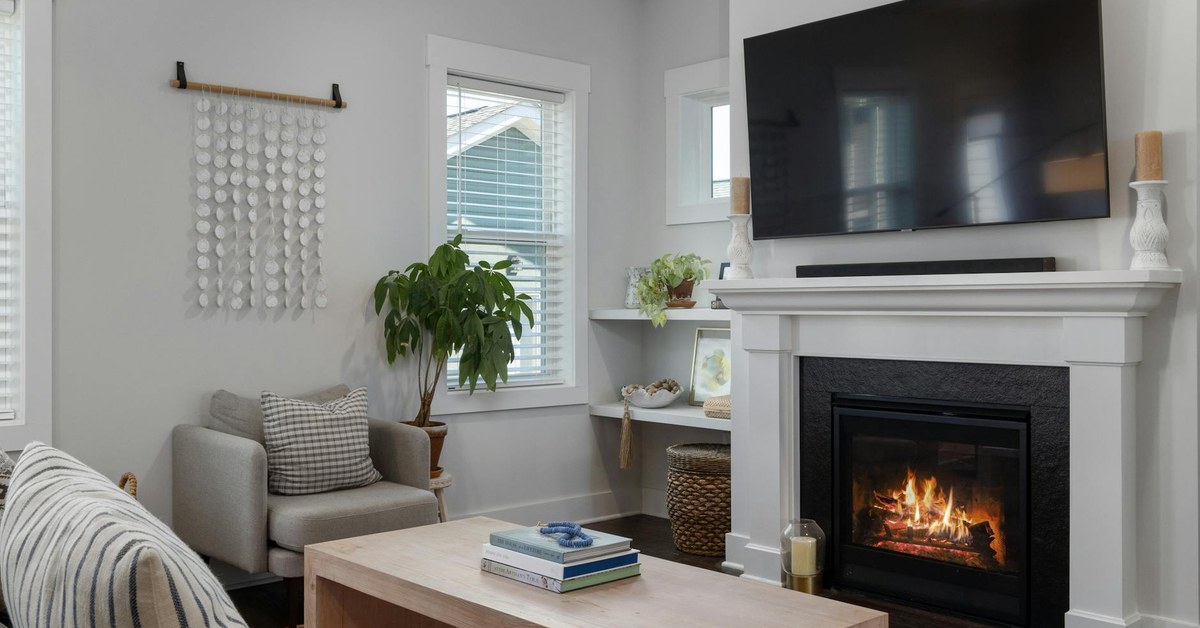

The Home Safety Audit: Pinpointing & Preventing Furniture Tip-Over Hazards
“Learn to conduct a thorough home safety audit. Identify hidden furniture tip-over risks & protect your family with our expert prevention guide.”
Ensuring a safe home environment for your family is paramount, and a critical component of this vigilance involves a detailed furniture tip-over risk assessment. These incidents, often overlooked until tragedy strikes, pose a significant threat, particularly to young children. Heavy furniture, televisions, and appliances can become unstable, creating a dangerous situation where items can topple onto inquisitive or climbing children. This comprehensive guide will equip you with the knowledge and practical steps to conduct a thorough home safety audit, identify potential hazards, and implement effective prevention strategies to protect your loved ones.
Understanding the Hidden Danger of Furniture Tip-Overs
Furniture tip-overs are a silent hazard in many homes, often underestimated until an incident occurs. These accidents can lead to severe injuries, including concussions, fractures, internal injuries, and even fatalities. Globally, child safety organisations consistently highlight the preventable nature of these tragedies. For instance, data from various national safety bodies, including the US Consumer Product Safety Commission (CPSC), reveal that young children, particularly those under the age of six, are disproportionately affected, accounting for a high percentage of injuries and fatalities from furniture, television, and appliance tip-overs.
Children’s natural curiosity and developmental stages make them especially vulnerable. Toddlers and preschoolers often use furniture as climbing frames, pulling out drawers to create makeshift ladders, or attempting to reach objects placed on top of unstable surfaces. Even older children can be at risk if furniture is not properly secured, particularly during active play.
Common Scenarios Leading to Tip-Overs
Several common scenarios contribute to furniture tip-over incidents: * Climbing: Children pulling out dresser drawers to climb up. * Reaching: Children attempting to reach toys, remote controls, or snacks placed on top of furniture. * Instability: Heavy televisions or other items placed on top of furniture not designed to bear their weight or without proper securing. * Uneven Surfaces: Furniture placed on carpets or uneven floors, creating an unstable base. * Play: Children swinging on cabinet doors or leaning against unsecured pieces during play.
Key Takeaway: Furniture tip-overs are a serious, yet preventable, hazard primarily affecting young children. Their natural curiosity and developmental behaviours, such as climbing and pulling, make them highly susceptible to injury from unsecured heavy items.
Conducting Your Comprehensive Furniture Tip-Over Risk Assessment
A systematic approach is essential when assessing your home for potential tip-over risks. This isn’t a one-time task but an ongoing process that should be revisited periodically, especially as children grow or as you introduce new furniture. This comprehensive home safety inspection should cover every room where children spend time.
Step-by-Step Home Safety Inspection
Follow these steps to conduct an effective furniture tip-over risk assessment:
-
Preparation:
- Gather your tools: A torch, measuring tape, stud finder, a pen and paper or a digital checklist.
- Familiarise yourself with common risks: Understand which types of furniture are typically unstable.
- Involve another adult if possible: A second pair of eyes can spot overlooked hazards.
-
Room-by-Room Audit:
- Start with nurseries and children’s bedrooms: These areas typically contain the highest concentration of at-risk furniture.
- Move to living rooms, playrooms, and family areas: Consider media units, bookshelves, and console tables.
- Extend to hallways, dining rooms, and even kitchens: Look at tall cabinets, sideboards, and freestanding storage units.
-
Identify Potential Hazards:
- Push and Pull Test: Gently push and pull on all freestanding furniture items, especially tall or heavy ones. Does it wobble? Does it feel unstable when pressure is applied to the top or front?
- Drawer Test: Open all drawers on a chest or dresser. Does it feel front-heavy? Does it tilt forward with drawers extended? Even empty drawers can create an imbalance.
- Surface Check: Assess what is placed on top of furniture. Are heavy televisions, aquariums, or other items positioned precariously without proper securing?
- Furniture Design: Identify furniture with a high centre of gravity, narrow bases, or those designed for storage rather than climbing.
- Placement: Is furniture placed on an uneven surface or thick carpet that might reduce stability? Is it near windows, which children might climb to look out?
What to Look For: A Furniture Anchoring Checklist
As you perform your inspection, use this checklist to identify specific furniture tip-over risks:
- Tall dressers, chests of drawers, and wardrobes: These are prime candidates for tipping, especially when drawers are open.
- Bookcases and shelving units: Unsecured units can topple if pulled or climbed upon, particularly if heavier items are placed on upper shelves.
- TV stands and media units: If not specifically designed for the weight and size of the television, or if the TV itself is not anchored.
- Freestanding cabinets and sideboards: Any tall, heavy storage unit can pose a risk.
- Desks with hutch attachments: The upper hutch can make the entire unit top-heavy.
- Unsecured televisions: Even if the stand is stable, flat-screen TVs can tip off their bases if bumped or pulled.
- Furniture near windows or ledges: Children may climb to access these areas.
- Furniture with a shallow depth-to-height ratio: Taller and narrower items are inherently less stable.
Effective Anchoring Techniques: Securing Heavy Furniture Safety
Once you have identified potential tip-over risks, the next crucial step is to secure these items. Furniture anchoring is a proven, effective method to prevent tip-overs. Most furniture anti-tip kits include straps, brackets, and screws designed to attach furniture to a wall.
Choosing the Right Anchoring Solution
Several types of anchoring solutions are available:
- Metal Brackets and Straps: These are typically strong, durable, and offer a secure connection. They often consist of a metal bracket that screws into the furniture’s back and another that screws into a wall stud, connected by a strong strap or cable.
- Nylon or Fabric Straps: Common in many anti-tip kits, these straps are strong and flexible. They attach to the furniture and the wall, providing a tether. Ensure they are made from robust, non-stretch material.
- Adhesive Mounts (for lighter items): While some lighter items or small electronics might use adhesive mounts, for heavy furniture, always opt for screws into studs or appropriate wall anchors. Adhesive options are generally insufficient for significant tip-over prevention.
Installation Best Practices for Childproofing Furniture Hazards
Correct installation is vital for the effectiveness of any anchoring system.
- Locate Wall Studs: Whenever possible, secure anchors directly into a wall stud. Use a stud finder to locate these wooden or metal supports behind your plasterboard or drywall. Anchoring into a stud provides the strongest, most reliable connection.
- Use Appropriate Wall Anchors: If a stud is not available, use heavy-duty wall anchors suitable for your wall type (e.g., plasterboard anchors, masonry anchors). Ensure the anchor’s weight rating exceeds the weight of the furniture.
- Attach to the Furniture’s Frame: Secure the furniture bracket to a solid, structural part of the furniture’s back, not just the thin backing board. If unsure, consult the furniture manufacturer’s instructions.
- Positioning: Attach the anchor high on the furniture and as close to the centre as possible for maximum stability.
- Tension: Ensure the strap or bracket is taut but not overly strained. There should be minimal slack to prevent the furniture from tipping forward even a small amount.
- Check Clearance: Before drilling, ensure no electrical wires, plumbing, or other hidden utilities are behind the wall.
Key Takeaway: Correctly installed anti-tip kits, ideally secured into wall studs, are the most effective way to prevent furniture tip-overs. Always follow manufacturer instructions and choose anchoring solutions appropriate for the furniture’s weight and wall type.
Beyond Anchoring: Comprehensive Prevention Strategies
While anchoring is the cornerstone of furniture tip-over prevention, a holistic approach incorporates several other strategies to enhance your home’s safety.
Thoughtful Furniture Placement
The location of your furniture can significantly impact its stability and a child’s interaction with it.
- Against Walls: Always place tall or heavy furniture flush against a wall. Avoid placing it in the middle of a room where it can be accessed from all sides.
- Avoid Ledges and Windows: Do not place furniture near windows, balconies, or other elevated surfaces that children might climb to reach.
- Clear the Top: Keep heavy or desirable items (like toys, remote controls, or snacks) off the tops of dressers, bookshelves, and entertainment units. This removes the incentive for children to climb.
- Lower Storage: Store heavier items in the lower drawers or shelves of furniture to reduce the centre of gravity and improve stability.
Age-Specific Guidance for Childproofing Furniture Hazards
Safety measures should evolve with your child’s development:
- Crawlers (6-12 months): As children begin to crawl and pull themselves up, ensure all low-lying furniture is stable. They may use furniture as support to stand, making unsecured items a risk.
- Toddlers (1-3 years): This age group is most at risk due to increased mobility, climbing, and exploration. Anchor all tall furniture, secure televisions, and remove temptations from high surfaces.
- Preschoolers (3-5 years): While less likely to climb indiscriminately, they may still interact with furniture in ways that cause instability. Reinforce safety rules and ensure anchoring remains secure.
- Older Children (6+ years): Even older children can inadvertently cause tip-overs during rough play or by leaning on unsecured items. Continue to educate them on furniture safety and ensure heavy items remain anchored.
Education and Awareness
Educating everyone in the household, including children and caregivers, about the dangers of furniture tip-overs is crucial.
- Teach Children: Explain to children why they should not climb on furniture. Use simple, direct language.
- Inform Caregivers: Ensure anyone caring for your children (grandparents, babysitters) is aware of potential hazards and your home’s safety measures.
- Lead by Example: Do not climb on furniture yourself or place items precariously.
Maintaining a Safe Home Environment
A furniture tip-over risk assessment is not a one-off event. It requires ongoing vigilance and periodic checks to ensure continuous safety.
Regular Checks and Maintenance
- Quarterly Inspections: At least once every three months, visually inspect all anchored furniture. Check that straps are taut, screws are tight, and there are no signs of wear or damage to the anchoring system.
- After Moving Furniture: If you move a piece of furniture, even slightly, re-check its stability and re-anchor it if necessary. Never assume it will remain secure after relocation.
- As Children Grow: Re-evaluate your home safety as your children reach new developmental milestones. What was safe for a crawler might not be for a climbing toddler.
- New Furniture: Whenever you purchase or receive new furniture, make tip-over prevention a priority during assembly and placement. Many new furniture pieces now include anti-tip kits, so use them.
What to Do If an Incident Occurs
Even with the best precautions, accidents can happen. Knowing how to respond is important:
- Assess the Child: Immediately check the child for injuries. Even if they appear fine, some injuries may not be immediately obvious.
- Seek Medical Attention: If there are any signs of injury, pain, or unusual behaviour, seek immediate medical attention.
- Secure the Area: Prevent further incidents by immediately re-securing the furniture or removing it from the child’s access.
- Report the Incident: Consider reporting serious incidents to relevant consumer product safety agencies in your region. This data helps inform product recalls and safety improvements. [INTERNAL: Reporting Product Safety Concerns]
By taking the time to conduct a thorough furniture tip-over risk assessment and implementing these preventative measures, you significantly reduce the risk of accidents in your home. Your proactive approach creates a safer, more secure environment for your family to grow and thrive.
What to Do Next
- Conduct Your Audit: Immediately perform a room-by-room furniture tip-over risk assessment using the checklist provided, identifying all heavy and tall furniture that could pose a hazard.
- Purchase Anti-Tip Kits: Acquire appropriate anti-tip kits for all identified at-risk furniture. Ensure they are suitable for the weight of your furniture and the type of walls in your home.
- Install Anchors Correctly: Follow manufacturer instructions precisely, securing anchors into wall studs whenever possible, or using heavy-duty wall anchors for other wall types.
- Re-evaluate Placement: Adjust furniture placement to be against walls, away from windows, and ensure desirable items are not placed on top of tall units.
- Schedule Regular Checks: Mark your calendar for quarterly checks of all anchored furniture to ensure the systems remain secure and effective.
Sources and Further Reading
- World Health Organisation (WHO) - Child Injury Prevention: who.int/teams/social-determinants-of-health/safety-and-mobility/child-injury-prevention
- UNICEF - Child Safety Resources: unicef.org/parenting/child-safety
- Royal Society for the Prevention of Accidents (RoSPA) - Home Safety Advice: rospa.com/home-safety
- Child Accident Prevention Trust (CAPT) - Furniture Safety: capt.org.uk/furniture-safety
- US Consumer Product Safety Commission (CPSC) - Anchor It! Campaign: cpsc.gov/SafeKids/Tipover