How Families Navigate Grief After Non-Death Losses: Support for Major Life Transitions
Discover how families can find support and navigate the often-overlooked grief of non-death losses like divorce, disability, job loss, or major moves.

How Families Navigate Grief After Non-Death Losses: Support for Major Life Transitions
“Discover how families can find support and navigate the often-overlooked grief of non-death losses like divorce, disability, job loss, or major moves.”
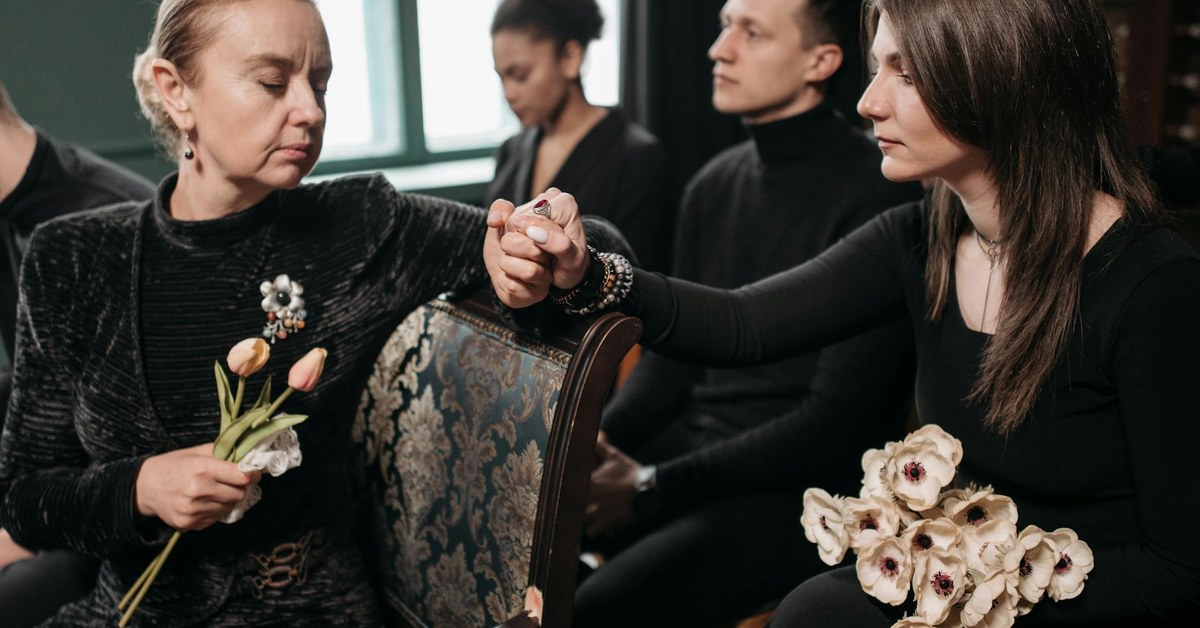
Families often associate grief solely with the death of a loved one, yet countless experiences of loss in life do not involve death. Learning how families navigate non-death grief is crucial for maintaining well-being during significant life transitions. These “non-death losses” can be just as profound, causing deep emotional pain, confusion, and disruption to family dynamics, even though the person or thing lost still exists, albeit in a changed form. Recognising and validating these often-overlooked forms of grief is the first step towards healing and resilience for every family member.
Understanding Non-Death Loss and Its Impact
Non-death loss refers to the grief experienced when a significant change or transition occurs, resulting in the loss of a way of life, an identity, a dream, or a connection, without the physical death of a person. This type of grief is sometimes called “ambiguous loss” because it lacks the clear closure and social rituals associated with bereavement, making it particularly challenging to process. The absence of a funeral or formal mourning period can leave individuals and families feeling isolated, as their grief may not be readily recognised or validated by others.
“Grief is a natural response to any significant loss, not just death,” explains a leading family therapist. “When families experience non-death loss, they mourn what was, what could have been, and the future they anticipated. This can manifest as sadness, anger, confusion, and even physical symptoms, just like traditional grief.” The lack of public acknowledgement often forces families to grieve privately, which can prolong the healing process.
Common Types of Non-Death Losses Affecting Families
Families encounter numerous events throughout life that can trigger non-death grief. Recognising these distinct scenarios helps in understanding the varied emotional responses.
Here are some common types of non-death loss:
- Divorce or Separation: The loss of a family unit, a shared future, and the daily presence of a parent for children. This can involve grieving the loss of an intact family structure and the identity associated with being part of that family.
- Chronic Illness or Disability: The loss of health, physical abilities, independence, and a previously imagined future for both the individual and their family. Carers often grieve the loss of their own time, dreams, and the person they knew before the illness.
- Job Loss or Career Change: The loss of financial security, professional identity, social connections, and a sense of purpose. This can impact the entire family’s stability and future plans.
- Major Relocation: The loss of a home, community, school, friends, and familiar routines. Children, in particular, can struggle with adapting to a new environment and forming new attachments.
- Incarceration of a Family Member: The loss of presence, companionship, and the emotional or financial support of the imprisoned individual, alongside the stigma and disruption to family life.
- Childhood Milestones: Parents can grieve the end of distinct phases, such as their child starting school, leaving home, or the “empty nest” syndrome.
- Addiction or Mental Health Challenges: The loss of the person they knew, the family dynamic, and the hope for a particular future, even while the individual is still physically present.
According to a 2023 report from the WHO, significant life transitions, including forced displacement and family separation, can increase the risk of mental health challenges in children and adolescents by up to 30%. This highlights the urgent need for comprehensive support for families experiencing such profound changes. [INTERNAL: Mental Health Support for Children]
Key Takeaway: Non-death losses are valid and deeply impactful forms of grief, often overlooked due to their ambiguous nature. Families must recognise and validate these experiences to begin the healing process.
Recognising Grief in Children and Adults
Grief manifests differently across individuals and age groups. Understanding these distinctions is crucial for providing appropriate support for non-death loss.
Grief in Children
Children’s understanding and expression of grief are heavily influenced by their developmental stage:
- Toddlers (1-3 years): May show changes in eating or sleeping patterns, increased clinginess, irritability, or regression in toilet training. They often react to the parents’ stress rather than fully understanding the loss itself.
- Preschoolers (3-5 years): Might believe the loss is temporary or that their behaviour caused it. They may exhibit increased fear, anxiety, temper tantrums, or repetitive play that re-enacts the loss.
- Primary School Age (6-11 years): Begin to understand the permanence of loss but may still feel responsible. They might withdraw, show anger, have difficulty concentrating at school, or develop physical complaints like stomach aches or headaches.
- Adolescents (12-18 years): Can understand loss abstractly, similar to adults, but may struggle with expressing emotions. They might exhibit mood swings, risky behaviours, academic decline, social withdrawal, or an increased desire for independence.
A child development specialist notes, “Children often grieve in ‘puddles and jumps,’ meaning they dip in and out of their sadness. They may be deeply upset one moment and playing happily the next. This is a normal coping mechanism, not a sign they are unaffected.”
Grief in Adults
Adults experiencing non-death loss may present a wide range of emotional, physical, and behavioural symptoms:
- Emotional: Sadness, anger, guilt, anxiety, numbness, irritability, feelings of emptiness, or despair.
- Physical: Fatigue, sleep disturbances, changes in appetite, headaches, muscle aches, or a weakened immune system.
- Behavioural: Social withdrawal, difficulty concentrating, loss of interest in activities, increased use of substances, or changes in work performance.
- Cognitive: Preoccupation with the loss, difficulty making decisions, confusion, or memory problems.
It is important to remember that there is no “right” way to grieve, and the process is rarely linear. Each family member’s journey through non-death grief will be unique.
Effective Strategies for Family Emotional Support
Providing robust family emotional support is paramount when families navigate non-death grief. These strategies focus on open communication, validation, and practical coping mechanisms.
- Open and Honest Communication: Create a safe space where every family member feels comfortable expressing their feelings without judgment. Use age-appropriate language to explain the changes. For instance, with a divorce, explain that “Mummy and Daddy will live in separate houses, but we both still love you very much.” [INTERNAL: Talking to Children About Difficult Topics]
- Validate All Feelings: Acknowledge and affirm each person’s emotions, whether it is sadness, anger, confusion, or even relief. Avoid phrases like “Don’t be sad” or “You shouldn’t feel that way.” Instead, say, “It’s okay to feel angry about this change,” or “I understand why you’re feeling so sad.”
- Maintain Routines Where Possible: Predictable routines offer a sense of stability and security during times of upheaval. While some routines may need adjustment, try to keep mealtimes, bedtimes, and school schedules as consistent as possible.
- Create New Rituals and Traditions: As old ways of life are lost, establish new family rituals. This could be a weekly family game night, a new way to celebrate holidays, or a special way to remember what was lost while embracing the present. These new rituals help families adapt and create new positive associations.
- Encourage Creative Expression: For children and adults alike, outlets like drawing, writing, playing music, or engaging in physical activity can be powerful tools for processing complex emotions that are difficult to articulate verbally.
- Seek Professional Support: If grief feels overwhelming, prolonged, or is significantly impacting daily functioning, consider family counselling or individual therapy. Organisations like the NSPCC (in the UK) or local mental health services offer resources and support groups tailored to specific non-death losses. A trained therapist can provide tools and strategies to help the entire family cope.
- Prioritise Self-Care for Parents: Parents often focus on supporting their children, neglecting their own grief. Remember that you cannot pour from an empty cup. Ensure you are getting enough rest, eating well, and engaging in activities that recharge you. Model healthy coping for your children.
Building Resilience and Moving Forward
Moving forward after a non-death loss does not mean forgetting or minimising the pain; it means integrating the experience into your life story and finding new ways to thrive. Building resilience is a process of adapting to adversity, and families can cultivate this strength together.
- Focus on Strengths: Identify and celebrate the strengths your family has demonstrated during the difficult period. Did you communicate effectively? Did you support each other? Recognising these strengths builds confidence for future challenges.
- Find Meaning and Growth: Over time, some families find unexpected growth or new perspectives emerge from their loss. This might involve advocating for others facing similar challenges, discovering new passions, or strengthening family bonds.
- Acceptance and Adaptation: Acceptance does not mean approving of the loss, but rather acknowledging its reality and learning to live with the changes it has brought. Adaptation involves adjusting expectations, creating new goals, and finding new sources of joy and fulfilment.
- Leverage Support Networks: Maintain connections with friends, extended family, community groups, and support organisations. These networks provide practical assistance, emotional comfort, and a sense of belonging. The Red Cross, for example, often provides community support services during times of significant upheaval.
By actively engaging in these strategies, families can transform the experience of non-death grief into a journey of growth, strengthening their bonds and their collective ability to face future challenges.
What to Do Next
- Open a Family Dialogue: Schedule a dedicated time to discuss recent changes and encourage every family member to share their feelings, ensuring a safe space for all emotions.
- Identify Support Systems: Research local support groups or counselling services specifically designed for the type of non-death loss your family is experiencing.
- Establish a New Family Ritual: Choose one new activity or tradition to implement weekly that fosters connection and positive shared experiences.
- Prioritise Individual Self-Care: Encourage each family member, including parents, to identify and commit to one personal self-care activity they can practice regularly.
- Educate Yourselves: Read more about grief and coping mechanisms for children and adults. [INTERNAL: Understanding Child Development]
Sources and Further Reading
- World Health Organisation (WHO) – Mental Health and Psychosocial Support
- UNICEF – Child Protection and Mental Health
- NSPCC (National Society for the Prevention of Cruelty to Children) – Children’s Grief
- The Red Cross – Psychological First Aid
- Cruse Bereavement Support – Understanding Grief