Spotting Fake News and Misinformation
Misinformation spreads faster than ever online. This guide equips young adults with practical critical thinking tools to identify fake news, question sources, and navigate the digital information landscape with confidence.
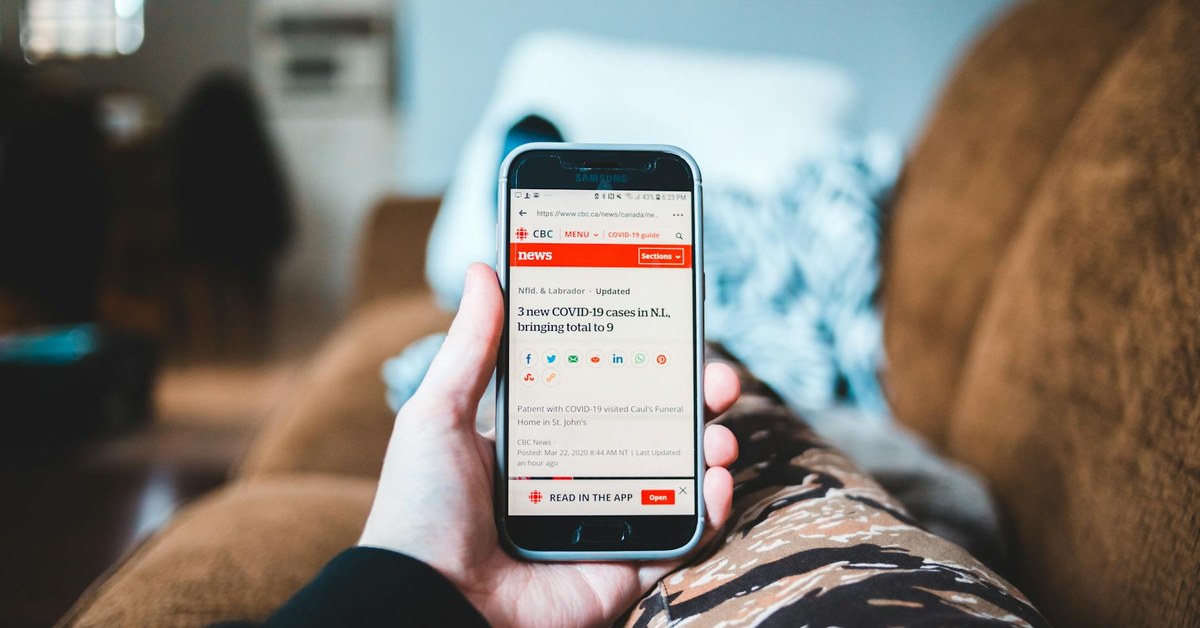

Spotting Fake News and Misinformation
“Misinformation spreads faster than ever online. This guide equips young adults with practical critical thinking tools to identify fake news, question sources, and navigate the digital information landscape with confidence.”
Why Misinformation Is a Modern Safety Issue
Misinformation has existed for as long as humans have communicated, but the internet has transformed its reach and velocity in ways that were unimaginable even two decades ago. A fabricated story can circle the globe within hours, collecting shares, likes, and comments from millions of people before a single fact-checker has had the chance to examine it. For young adults who rely heavily on social media and digital platforms for news, this creates a genuine and serious challenge.
The consequences of believing and spreading misinformation are not trivial. False health information has led people to refuse proven medical treatments. Political misinformation has influenced elections across multiple continents. During crises, viral rumours have caused panic, violence, and preventable deaths. Understanding how to critically assess information is no longer just an academic skill; it is a practical safety concern.
Understanding the Different Types of False Information
Not all inaccurate content is the same, and recognising the distinctions can help you respond appropriately. Researchers and journalists who study this field typically identify several categories.
Misinformation refers to false or inaccurate information that is shared without the intent to deceive. Someone who genuinely believes a story and passes it on is spreading misinformation, even if they mean no harm. Disinformation, by contrast, is deliberately fabricated or manipulated content created with the intent to mislead. State-sponsored propaganda campaigns, for instance, produce disinformation at scale. Malinformation involves content that is technically accurate but is used in a misleading context, such as a real photograph from one country presented as evidence of an event in another.
There is also the category of satire and parody, which can be misread as genuine news, particularly when taken out of context or shared without its original framing. Many popular satirical websites publish stories that are intended as commentary but are regularly mistaken for factual reporting.
How Your Brain Is Wired to Believe False Information
One of the most important things to understand about misinformation is that falling for it is not a sign of low intelligence. Human brains are susceptible to certain cognitive biases that bad actors and careless sharers alike exploit, often without realising it.
Confirmation bias is the tendency to accept information that aligns with what you already believe and to reject information that challenges it. If a headline confirms something you already suspect about a politician, a company, or a social group, you are far more likely to accept it uncritically. Social media algorithms amplify this effect by curating content that matches your existing interests and opinions.
The illusory truth effect is the phenomenon whereby repeated exposure to a claim makes it feel more credible, even if it was never true to begin with. Seeing the same story shared dozens of times across your feeds lends it a sense of legitimacy that has nothing to do with its accuracy.
Emotional reasoning occurs when something makes you feel strongly, and that emotional response overrides careful analysis. Content designed to provoke outrage, fear, or intense patriotism is often engineered precisely to bypass your critical faculties. If something makes you feel a very strong emotion, that is a useful signal to pause rather than share.
Practical Steps for Evaluating a News Story or Claim
Developing strong information literacy takes practice, but there are reliable frameworks that can help you assess content more effectively.
Check the source before anything else. Who published this story? Is it a well-established news organisation with editorial standards, or a domain name you have never heard of? Some websites mimic the appearance of legitimate outlets but publish entirely fabricated content. Search the outlet's name alongside words like "bias" or "credibility" to find assessments from independent media watchdog organisations.
Read beyond the headline. Headlines are designed to attract clicks, and they frequently misrepresent or exaggerate the content of the article they introduce. A headline that says "Scientists Discover Cure for Anxiety" may lead to an article about a preliminary study conducted on twelve mice. Always read the full piece before forming a judgement or sharing.
Check the date. Old stories are frequently recirculated during new crises because they seem relevant. A photograph of a flood from five years ago may be shared as though it depicts a current disaster. Always verify that the event described is actually happening now, and that the content has not been stripped of its original context.
Verify the claim with multiple independent sources. If a story is significant, multiple reputable outlets will cover it. If you can only find the claim on one website or one social media account, treat it with considerable scepticism. Cross-referencing with established international news agencies is a reliable first step.
Reverse image search any photographs. Images are among the most frequently misused elements in misinformation. Tools such as Google Images and TinEye allow you to upload or paste the URL of an image to discover where it originally appeared and whether it has been used in different contexts. This takes less than a minute and can reveal a great deal.
Using Fact-Checking Resources
A growing network of professional fact-checking organisations operates around the world, many of which are signatories to the International Fact-Checking Network's code of principles. These organisations investigate specific claims and publish their findings in plain language.
Some well-regarded examples include Full Fact in the United Kingdom, Africa Check across the African continent, Chequeado in Latin America, and RMIT ABC Fact Check in Australia. Snopes and FactCheck.org, based in the United States, cover a broad range of viral claims. Searching a specific claim or headline on any of these platforms is a quick and reliable way to check whether it has already been investigated.
It is worth noting that fact-checkers themselves are sometimes the targets of disinformation campaigns that seek to discredit them. When evaluating a fact-checking organisation, look for transparency about funding, methodology, and corrections policies.
Understanding Algorithmic Amplification
Social media platforms use recommendation algorithms designed to maximise engagement. Content that provokes strong reactions, whether outrage, fear, or enthusiasm, tends to perform particularly well by these metrics, which means it is shown to more people. This creates an environment where emotionally charged, sensationalised content often spreads further and faster than calm, nuanced reporting.
Being aware of this dynamic is itself a form of media literacy. When you notice that a piece of content is generating an unusually intense emotional response in you, it is worth asking whether that response has been deliberately engineered. This is not to say that all emotionally resonant content is false, but rather that emotional intensity should prompt careful evaluation rather than immediate sharing.
Diversifying your information diet is one of the most effective countermeasures. If all your news comes from a single platform or a narrow set of accounts, you are likely inside an information bubble. Following a range of sources with different editorial perspectives, including international outlets, reduces the risk of developing a distorted picture of events.
The Particular Challenge of Video and Audio Deepfakes
Artificially generated video and audio content, commonly referred to as deepfakes, represents one of the most significant emerging challenges in the misinformation landscape. Using machine learning tools that have become increasingly accessible to ordinary users, it is now possible to create realistic videos of real people appearing to say or do things they never said or did.
While highly sophisticated deepfakes require significant technical skill to produce, simpler voice-cloning and face-swapping tools are already widely available. In 2025 and into 2026, incidents involving fabricated audio of politicians and celebrities have occurred across multiple countries, causing significant public confusion.
When evaluating video or audio content that seems shocking or surprising, look for inconsistencies in lip synchronisation, unnatural blinking patterns, strange lighting at the edges of the face, or audio that sounds slightly mechanical. Seek the original source of the clip and check whether the same content appears on the subject's verified official channels or has been reported by reputable journalists.
How to Talk About Misinformation With Others
Correcting someone who has shared false information is a socially delicate task, but it is a valuable one. Research suggests that misinformation corrections are most effective when they are delivered without condescension, when they provide accurate information to fill the gap left by the debunked claim, and when they come from someone the person trusts.
If a family member or friend shares something inaccurate, a gentle, non-judgmental approach is more likely to be effective than an aggressive correction. Sharing a reputable source and framing it as additional context rather than a direct contradiction tends to provoke less defensiveness. Remember that the person sharing false information usually genuinely believes it; they are not necessarily acting in bad faith.
On social media, it can be tempting to publicly call out misinformation, and there are times when doing so is genuinely valuable. However, public shaming often entrenches beliefs rather than changing them, and it can escalate into harassment. Consider whether a private message might be more effective in a given situation.
Building Long-Term Critical Thinking Habits
The most durable defence against misinformation is not a checklist but a set of habits and dispositions. Cultivating genuine intellectual humility, the recognition that you can be wrong and that your beliefs can be manipulated, is foundational. Slowing down before sharing, asking who benefits from the spread of a particular claim, and seeking out perspectives that challenge your own are practices that become more natural with time.
Media literacy education is expanding in schools across many countries, but it remains inconsistent. Wherever you are in the world, there are freely available online courses and resources that can help you develop these skills more formally. The News Literacy Project, for instance, offers a range of materials aimed at young adults.
Ultimately, the goal is not to become paralysed by scepticism or to distrust everything you read. It is to engage with information actively and thoughtfully rather than passively absorbing whatever your feeds deliver. In an era where the information environment is increasingly contested and complex, that active engagement is one of the most important skills a young adult can develop.
Summary: Key Principles to Carry Forward
Developing strong habits around information evaluation takes time, but a few core principles can guide you through most situations. Pause before sharing anything that provokes a strong emotional response. Verify claims against multiple independent sources, and use established fact-checking organisations when a claim seems particularly significant. Be aware of how algorithms and cognitive biases shape what you see and believe. Approach corrections with empathy, recognising that susceptibility to misinformation is a universal human trait rather than a personal failing. And continue building your knowledge of how the media works and how disinformation campaigns operate, because the landscape changes constantly and staying informed is an ongoing process rather than a one-time achievement.