Inclusive Safety: Protecting Children With Disabilities
Children with disabilities and additional needs face specific safety challenges that require tailored approaches. Learn how to adapt safety strategies for children with physical, sensory, cognitive, and behavioural differences.
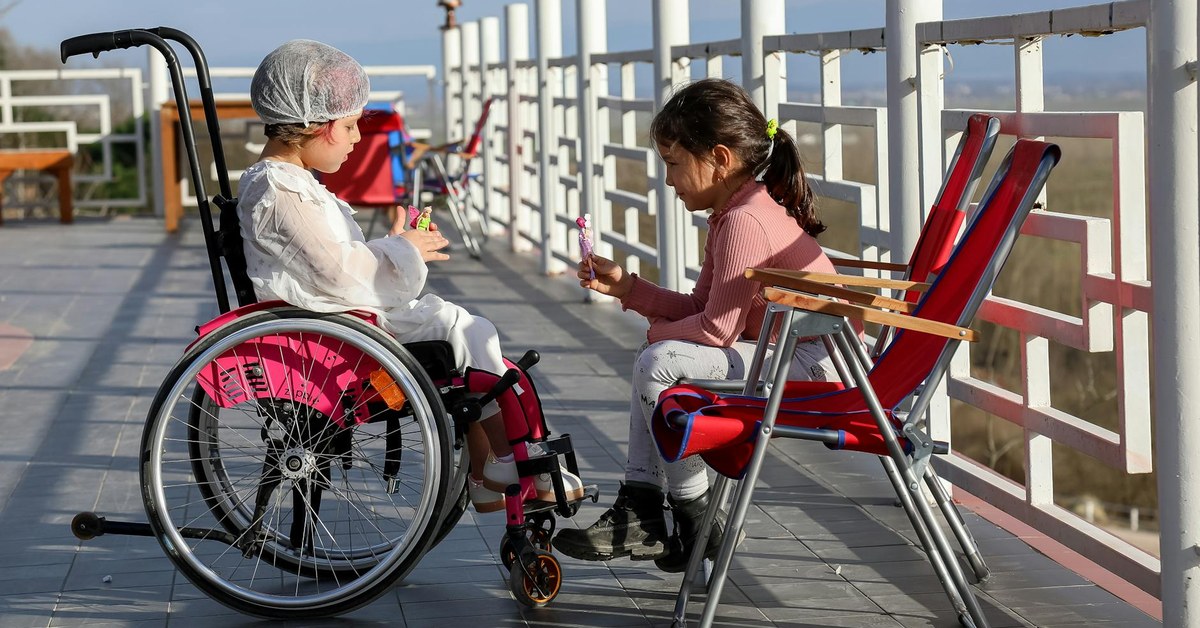

Inclusive Safety: Protecting Children With Disabilities
“Children with disabilities and additional needs face specific safety challenges that require tailored approaches. Learn how to adapt safety strategies for children with physical, sensory, cognitive, and behavioural differences.”
Why Inclusive Safety Matters
Child safety education is most commonly designed and delivered with neurotypical children with typical physical and cognitive development in mind. This creates a significant gap for the many children who have disabilities, developmental differences, or additional needs that affect how they receive information, process risk, and respond to safety situations.
Children with disabilities are at higher risk of various forms of harm than their non-disabled peers, and this elevated risk is well-documented across multiple countries and contexts. Children with intellectual disabilities are at significantly elevated risk of abuse, including sexual abuse. Children with sensory impairments face specific environmental hazards. Children with conditions affecting impulse control or risk assessment, such as ADHD or autism, may encounter safety situations with less protective capacity than other children. Children with communication differences may have greater difficulty seeking help or reporting abuse.
Addressing these elevated risks requires adapting rather than abandoning the core principles of child safety education. The fundamental concepts of physical safety, personal safety, trusted adults, and seeking help remain as relevant and important for children with disabilities as for any other child. What changes is the how: how information is communicated, how skills are practised, how environments are adapted, and how support networks are structured.
Children With Intellectual Disabilities
Children with intellectual disabilities face a significantly elevated risk of physical abuse, sexual abuse, and neglect compared with their non-disabled peers. Multiple factors contribute to this elevated risk including dependence on multiple carers for personal care, communication differences that may affect disclosure, social isolation that reduces the protective surveillance of trusted adults, and specific vulnerabilities in social understanding that may be exploited by abusers.
Personal safety education is both possible and critically important for children with intellectual disabilities. The content may need to be simplified, the pace of learning adjusted, and the teaching methods adapted to suit the child's learning style, but the core messages are accessible to most children with intellectual disabilities when appropriately delivered.
Visual supports including simple picture-based resources, social stories, and concrete demonstrations are typically more effective than verbal instruction alone. Keep messages extremely simple and concrete: this is your body, it belongs to you, these parts are private, tell a trusted adult if someone touches your private parts. Repeat these messages regularly and consistently across all settings including home, school, and any other care environment.
Identify a clear network of trusted adults with the child and practise seeking help from these people. Children with intellectual disabilities may need more practice and more explicit preparation for these conversations than other children. Role play seeking help repeatedly in a safe, low-stakes context so the action becomes familiar and accessible.
Work closely with schools and other settings to ensure personal safety education is embedded in the child's individual curriculum rather than delivered only in the context of whole-class lessons, which may not be appropriately adapted for the child's learning needs. Many countries have specific resources developed for personal safety education with children with learning disabilities and these are worth seeking out.
Children With Autism Spectrum Conditions
Children with autism spectrum conditions face a range of specific safety challenges arising from the characteristics of autism including differences in social understanding, sensory sensitivities, communication differences, rigidity in thinking and behaviour, and varying levels of awareness of risk in unfamiliar situations.
Road safety presents specific challenges for some children with autism who may not spontaneously attend to all relevant environmental information when crossing roads, may be distracted by specific sensory stimuli in the environment, or may apply rules rigidly without the flexibility needed to manage novel situations. Intensive, repeated, structured practice of road-crossing skills in real environments with adult supervision is more effective than instruction alone. Use visual supports, clear and consistent routines, and explicit teaching of the cues to attend to.
Water safety can be particularly important for children with autism, many of whom are attracted to water and may wander towards it without awareness of the associated dangers. Ensuring robust fencing around any water features, consistent supervision near water, and appropriate swimming instruction are all important. Many children with autism respond very positively to swimming lessons when these are delivered by instructors experienced with neurodiverse learners.
Personal safety education for children with autism needs to address the specific social understanding challenges that can affect recognition of unsafe situations and unsafe adults. Children with autism may have difficulty reading the subtle social and emotional cues that signal when an adult's behaviour is becoming unsafe, particularly when the behaviour is gradual rather than sudden. Explicit teaching of specific unsafe behaviour indicators, using concrete and unambiguous language, is more accessible than teaching general concepts such as something feels wrong.
Sensory sensitivities may affect a child's comfort with safety equipment such as helmets and life jackets. Work gradually and patiently to build tolerance for necessary safety equipment rather than abandoning it. The long-term protective value of the equipment justifies the investment of time and patience in building tolerance.
Children With Physical Disabilities
Children with physical disabilities face a range of safety challenges related to mobility, physical vulnerability, and dependence on assistive equipment. The specific challenges depend enormously on the nature and severity of the disability and no general guidance can substitute for an individual assessment.
Fire safety planning deserves particular attention for children with physical disabilities that affect their ability to evacuate independently. Every household with a child who cannot self-evacuate should have a personalised emergency plan that addresses exactly how the child will be evacuated in each potential emergency scenario, who will evacuate them, and what to do if the primary evacuation plan is blocked. Share this plan with local fire services, as many fire services globally offer home fire safety visits and can help families develop evacuation plans for household members who cannot self-evacuate.
Review all standard home safety adaptations in the context of the specific physical disability. Safety gates may need to be adapted to accommodate wheelchairs or walking aids. Non-slip flooring that is beneficial for ambulant children may present different considerations for a wheelchair user. The goal is always to identify and address the specific hazards presented by the combination of the environment and the child's particular physical needs.
Children With Sensory Impairments
Children with significant visual or hearing impairments face specific safety challenges related to their sensory differences. Children with visual impairments may not receive the visual safety cues that support environmental navigation and risk awareness. Children with hearing impairments may not receive auditory safety signals including verbal warnings, smoke alarms, and traffic sounds.
For children with hearing impairments, ensure that any home safety system that relies on sound is supplemented with visual or vibration-based alternatives. Smoke and carbon monoxide alarms with strobe light alerts and vibrating pillow pads are available and should be installed in households with children who have significant hearing impairments. Emergency services in many countries have systems for flagging properties with hearing-impaired occupants to ensure appropriate communication in emergencies.
Road safety education for children with visual impairments focuses on using auditory information to assess traffic rather than visual. Teach children to listen carefully for approaching vehicles, to use pedestrian crossings consistently, and to seek assistance when crossing in complex situations. Orientation and mobility specialists, who are available through educational services for visually impaired children in most developed countries, provide expert support for developing safe independent travel skills.
Children With ADHD and Impulse Control Difficulties
Children with ADHD or other conditions affecting impulse control and risk assessment may act on environmental stimuli without pausing to assess safety implications, may find it more difficult to consistently follow safety rules, and may find it harder to wait for adult supervision before acting. This is a feature of neurological differences in executive function rather than a failure of understanding or willingness.
Environmental adaptations are particularly important for children with significant impulse control difficulties. Physical barriers that prevent access to hazardous areas without requiring the child to choose to stop are more protective than relying on rule-following alone. Pool fencing, secured shed doors, window restrictors, and stair gates for longer than typical may all be appropriate for children whose impulse control makes rule-following unreliable in high-risk situations.
Establish very clear, simple, and consistently enforced safety rules. Reduce the total number of safety rules to the most important ones and ensure these are practised and rehearsed regularly. Children with ADHD often respond well to rule rehearsal in non-urgent contexts, which builds automaticity in the relevant behaviours that makes them more accessible when the child is excited, distracted, or in a novel environment.
Working Across Settings to Ensure Consistent Safety
For all children with disabilities and additional needs, consistent safety approaches across all settings in which the child spends time are essential. A child who receives clear, consistent personal safety education at home but not at school, or vice versa, does not receive the reinforcement that embeds these concepts reliably.
Engage actively with all settings the child attends about their safety education approach. Share the strategies that work at home and ask what approaches are being used in the setting. Advocate for appropriate adaptations to safety education content and delivery that suit the child's specific learning needs. A collaborative approach between families, schools, and any other settings provides the most robust protective environment.