Empowering K-12 Students: Building Critical Media Literacy as a Core Digital Citizenship Skill to Combat Misinformation Online
Equip K-12 students with critical media literacy skills essential for digital citizenship. Learn strategies to combat online misinformation and foster responsible digital habits.
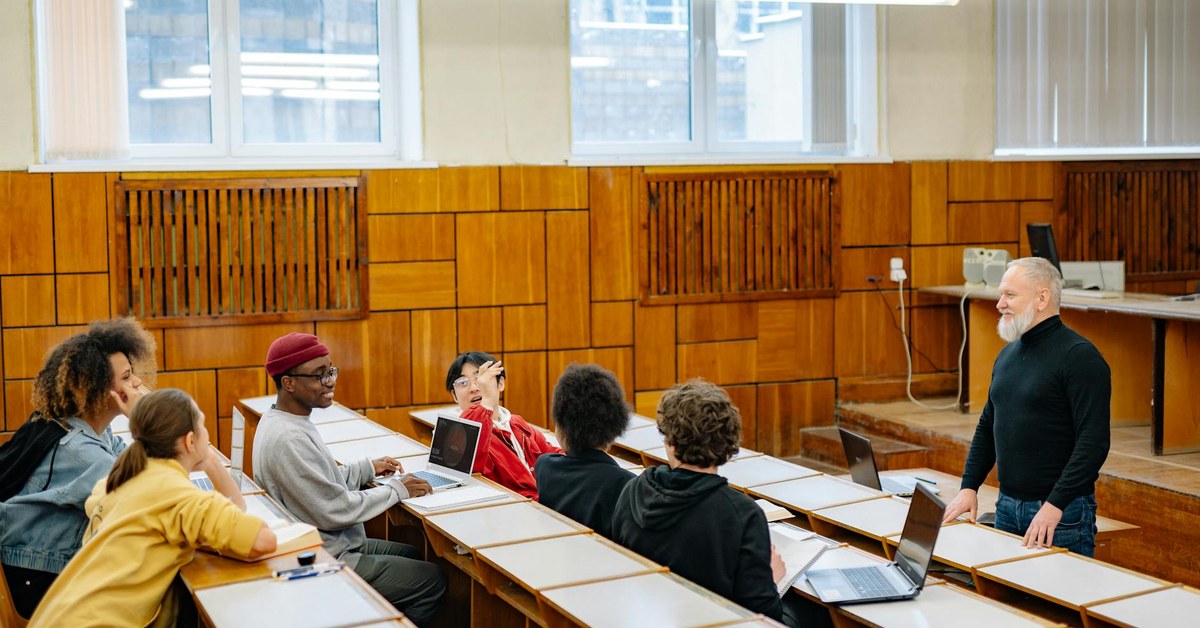

Empowering K-12 Students: Building Critical Media Literacy as a Core Digital Citizenship Skill to Combat Misinformation Online
“Equip K-12 students with critical media literacy skills essential for digital citizenship. Learn strategies to combat online misinformation and foster responsible digital habits.”
Navigating the vast digital landscape requires more than just technical proficiency; it demands a sophisticated understanding of the information consumed and shared. Empowering K-12 students with robust critical media literacy digital citizenship skills is no longer optional; it is fundamental for their safety, wellbeing, and ability to participate responsibly in a connected world. This article explores how fostering critical media literacy equips young people to discern truth from falsehood, develop responsible digital habits, and become informed, ethical digital citizens.
The Imperative of Critical Media Literacy in a Digital Age
Children and adolescents today grow up immersed in an unprecedented volume of information from diverse sources, including social media, news websites, and peer-generated content. While this connectivity offers immense opportunities, it also presents significant challenges, particularly the pervasive spread of misinformation and disinformation. The World Health Organisation (WHO) highlighted the devastating impact of “infodemics” during recent global health crises, underscoring the urgent need for individuals of all ages to critically evaluate health information. Similarly, a 2022 UNICEF report noted that young people are often primary targets for online misinformation, with potential consequences for their mental health, safety, and civic engagement.
A key aspect of online safety education for K-12 students involves teaching them not just what to avoid, but how to think critically about everything they encounter. As an expert in educational technology states, “Equipping students with the tools to question, verify, and understand the intent behind digital content is paramount. It moves beyond simple rules to fostering genuine intellectual independence.” This proactive approach forms the bedrock of responsible digital habits.
Key Takeaway: The sheer volume and complexity of online information, coupled with the prevalence of misinformation, make critical media literacy an essential life skill for K-12 students to navigate the digital world safely and responsibly.
Core Elements of Critical Media Literacy for Young People
Developing critical media literacy skills for youth involves cultivating a set of analytical abilities that allow them to deconstruct, evaluate, and produce media responsibly. These skills are vital for combating misinformation among students.
Here are key components:
-
Source Identification and Credibility:
- Who created this? Teaching students to look beyond the headline and identify the author or organisation behind the content.
- What is their purpose? Encouraging consideration of whether the content aims to inform, entertain, persuade, or even mislead.
- Is the source reputable? Introducing the concept of verifying sources by checking ‘About Us’ pages, looking for professional affiliations, or cross-referencing with known credible organisations.
-
Fact-Checking and Verification:
- Cross-referencing: Guiding students to compare information across multiple reliable sources to confirm accuracy.
- Reverse Image Search: Teaching the use of tools to trace the origin of images and videos, revealing if they are authentic, taken out of context, or digitally altered.
- Lateral Reading: Encouraging students to open new tabs and research the source while reading the content, rather than just staying on the original page.
-
Recognising Bias and Perspective:
- Implicit vs. Explicit Bias: Helping students understand that all content creators have perspectives, and some may have overt or subtle biases that influence their messaging.
- Identifying Persuasive Techniques: Teaching students to recognise common rhetorical devices, emotional appeals, logical fallacies, and sensationalism often used in misleading content.
- Understanding Algorithms: Explaining how social media and search engine algorithms can create “filter bubbles” and “echo chambers,” limiting exposure to diverse viewpoints.
-
Understanding Media Formats and Their Impact:
- Text: Analysing headlines, language choice, and narrative structure.
- Images and Videos: Questioning authenticity, context, and potential manipulation (e.g., deepfakes, edited footage).
- Interactive Content: Understanding how quizzes, polls, and games can also carry messages or collect data.
Integrating Critical Media Literacy into Digital Citizenship Curriculum
Digital citizenship extends beyond mere online safety; it encompasses ethical, responsible, and respectful engagement in digital spaces. Building critical media literacy directly strengthens a comprehensive digital citizenship curriculum.
Consider these areas for integration:
- Responsible Online Participation: Students who can identify misinformation are less likely to share it, thus contributing positively to online discourse. They learn to question before they amplify.
- Respectful Communication: Understanding different perspectives and biases fosters empathy and encourages more thoughtful, less inflammatory interactions online. [INTERNAL: fostering empathy in online interactions]
- Privacy and Data Protection: Media literacy includes understanding how personal data is collected and used by various platforms, empowering students to make informed choices about their digital footprint.
- Digital Footprint and Reputation: Critically evaluating content before posting helps students understand the long-term impact of their own digital contributions and how they present themselves online.
An educator specialising in digital learning advises, “Our goal is not to tell students what to think, but to teach them how to think critically about the digital world. This empowers them to be active, rather than passive, participants.”
Age-Specific Strategies for Developing Media Literacy Skills
Effective online safety education K-12 requires a tiered approach, adapting concepts to the cognitive development of students.
Primary Years (K-5): Laying the Foundation
At this stage, focus on basic distinctions and concepts.
- Understanding “Real” vs. “Make-Believe”: Discussing how stories on TV or online can be fictional, while news aims to be factual.
- Identifying Advertisements: Teaching children to recognise when something is trying to sell them something (e.g., “This is an ad for a toy, not a show.”).
- Trusted Adults and Sources: Emphasising asking a trusted adult when unsure about something seen online.
- Simple Source Check: “Who made this video? Is it a grown-up who knows a lot about this?”
Middle Years (6-8): Developing Analytical Skills
Students in this age range can begin to grasp more complex ideas about intent and bias.
- Basic Fact-Checking: Introducing the idea of checking facts with a quick search on a reputable site.
- Recognising Clickbait: Discussing sensational headlines designed to grab attention rather than provide accurate information.
- Understanding Multiple Perspectives: Exploring how different news outlets or social media users might report on the same event differently.
- Digital Storytelling: Encouraging students to create their own media, understanding the choices involved in presenting information. [INTERNAL: creative digital storytelling for youth]
Secondary Years (9-12): Advanced Critical Analysis and Ethical Engagement
Older students can engage with nuanced concepts and complex challenges like algorithmic bias and deepfakes.
- Advanced Source Evaluation: Deep diving into journalistic standards, peer review, and academic sources versus opinion pieces or blogs.
- Detecting Sophisticated Manipulation: Discussing deepfakes, doctored images, and propaganda techniques.
- Algorithmic Awareness: Analysing how algorithms shape their online experience and how to seek diverse information intentionally.
- Ethical Online Engagement: Debating the responsibilities of content creators and consumers, and the impact of sharing unverified information.
- Digital Activism and Advocacy: Exploring how media literacy informs effective and responsible participation in social and political discourse online.
Practical Tools and Techniques for Families and Educators
Families and educators play a crucial role in nurturing these essential media literacy skills.
- Family Media Discussions: Regularly discuss online content as a family. Ask questions like: “What did you see online today that made you think?” “How do you know if that information is true?” “Who made that video, and why?”
- Utilise Verification Tools: Introduce generic reverse image search engines, fact-checking websites (e.g., Snopes, Full Fact), and tools that check website domain credibility.
- Model Critical Thinking: Share your own process of evaluating information. “I saw this headline, and it sounded surprising, so I checked another news site to see if they reported the same thing.”
- Create Media Together: Engage in projects where students produce their own news reports, podcasts, or digital stories. This helps them understand the construction of media.
- The “Four Rs” Framework: Encourage students to Rethink before they click or share, Research the source, Recognise bias, and Report harmful content.
- Digital Citizenship Games and Resources: Many educational organisations offer interactive games and lessons designed to teach media literacy in an engaging way.
By consistently applying these strategies, we can empower K-12 students to become discerning, responsible, and ethical participants in the digital world, capable of building critical media literacy digital citizenship.
What to Do Next
- Start the Conversation: Begin regular, open discussions with children about the online content they consume, asking probing questions about sources and intent.
- Model Critical Habits: Demonstrate your own process of questioning and verifying information you encounter online, explaining your reasoning aloud.
- Explore Educational Resources: Seek out age-appropriate games, videos, and lesson plans from reputable organisations that focus on media literacy and digital citizenship.
- Implement Verification Practices: Introduce and practise simple fact-checking techniques, such as reverse image searches or cross-referencing information, as a family activity.
- Review Family Media Rules: Revisit and update family guidelines for online engagement to include expectations around critically evaluating and responsibly sharing information.
Sources and Further Reading
- World Health Organisation (WHO): www.who.int
- UNICEF: www.unicef.org
- NSPCC (National Society for the Prevention of Cruelty to Children): www.nspcc.org.uk
- Common Sense Media: www.commonsensemedia.org
- News Literacy Project: www.newsliteracyproject.org